.png)
The JournalismPakistan Global Media Brief | Edition 13 | March 27, 2026
JournalismPakistan.com | Published: 27 March 2026 | JP News Desk
Join our WhatsApp channel
This edition surveys change in global media, covering Matt Brittin's appointment as BBC director general, the Pentagon's restricted press access after a federal court ruling, and assaults plus legal and financial pressures that raise risks for journalists.Summary
Editor’s note
Welcome to the 13th edition of the JournalismPakistan Global Media Brief. This edition reflects a period of accelerating change in the global media landscape, from leadership shifts at major public broadcasters to tightening government control over press access, and growing legal and financial pressures on journalism worldwide. Across regions, journalists continue to face physical risks, legal challenges, and digital threats, underscoring the fragile state of press freedom and the urgent need for institutional safeguards.
Global media power shifts
Former Google executive to lead BBC— Former Google executive Matt Brittin has been confirmed as the next director general of the BBC, according to a report by The Times cited by Reuters, signaling a leadership shift as the public broadcaster faces growing digital competition and funding pressures (Reuters, March 23, 2026).
Pentagon restricts press access despite court setback — The U.S. Department of Defense has closed its in-building press workspace and imposed escort-only access for journalists after a federal judge struck down key parts of its restrictive media policy, signaling a shift toward tighter control of on-site reporting (The Hill, March 24, 2026).
Asia media watch
Papua New Guinea reporter assaulted — A senior journalist from The National was reportedly attacked by multiple correctional officers in Port Moresby while covering state institutions, raising concerns over safety risks for reporters in the Pacific region (Reuters, March 25, 2026).
Pakistan protest coverage theft — Journalist Ziyad Ali Shah reported his car was vandalized and his laptop and passport stolen while covering a PTI protest near Adiala Jail in Rawalpindi, underscoring risks faced by reporters on assignment (Statement by Ziyad Ali Shah on X, March 24, 2026).
Middle East media
NHK journalist still detained in Iran — Japan confirmed the release of one of its citizens detained in Iran since 2025, but an NHK journalist remains in custody at Tehran’s Evin Prison after being arrested earlier this year. The case highlights ongoing risks for foreign reporters operating in politically sensitive environments and the lack of transparency surrounding charges (Associated Press; Committee to Protect Journalists, March 22, 2026).
Turkish journalist arrested under disinformation law — Turkish reporter İsmail Arı, working for the opposition daily BirGün, was arrested on March 22 under Article 217/A of the penal code for “publicly disseminating misleading information,” sparking protests by journalists and press freedom advocates (bianet.org, March 23, 2026).
Iran arrests journalists amid crackdown — Iranian authorities have detained at least seven journalists in a widening clampdown on independent media, citing unauthorized reporting and national security concerns (International Federation of Journalists, March 24, 2026).
Hundreds held in Iran for sharing sensitive online material— Iranian authorities arrested at least 466 individuals for sharing sensitive or anti-government content, highlighting risks for digital journalists and citizen reporters amid tightened surveillance (Reuters; RSF, March 24, 2026).
Africa media update
Congo rebels detain journalists in inhumane conditions — Rwanda-backed M23 rebels in eastern Democratic Republic of Congo have detained civilians, including at least two journalists, in metal shipping containers without light or ventilation, according to Reporters Without Borders. The detentions highlight severe risks faced by journalists in conflict zones (Reporters Without Borders, March 24, 2026).
Media business and sustainability
ABC staff strike looms after pay talks collapse — Thousands of Australian Broadcasting Corporation employees are set to stage a 24-hour strike after rejecting a pay offer, marking the broadcaster’s first major industrial action in two decades and highlighting growing labor tensions in public media.
Australia broadcaster strike disrupts output — Strike action disrupted TV, radio, and digital services nationwide, with unions citing wage stagnation, job insecurity, and concerns over AI’s impact on newsroom roles (Reuters, March 25, 2026).
Media law and regulation
US court blocks Pentagon press access limits — A federal judge ruled the Pentagon’s press access policy unconstitutional, ordering restoration of journalist credentials and raising major press freedom concerns (Reuters; Associated Press, March 20, 2026).
India court orders Newslaundry to remove content — The Delhi High Court ordered Newslaundry to remove content deemed disparaging toward TV Today Network, highlighting increasing legal scrutiny of media criticism in India (Reuters; The News Mill, March 20, 2026).
BBC faces legal claims over Gaza coverage — Five BBC Arabic journalists have filed claims alleging editorial restrictions and discriminatory treatment, raising concerns about newsroom independence (Middle East Monitor, March 22, 2026).
VOA journalists sue over alleged propaganda — Voice of America journalists filed a lawsuit alleging political interference and censorship in coverage, seeking safeguards for editorial independence (Associated Press; The Guardian, March 2026).
Court grants bail to journalist Nadir Khan — A Pakistani court granted bail to investigative journalist Nadir Khan after a rapid FIR following his report on alleged LPG smuggling, raising concerns about legal pressure on investigative reporting (HRCP; PFUJ, March 2026).
Tech giants liable in addiction case — A California jury found Meta and YouTube liable in a social media addiction case, signaling growing legal scrutiny of platform design and its impact on users (Reuters, March 25, 2026).
Platforms and technology
CBS News cuts staff, shuts radio service — CBS News will lay off about 6 percent of its workforce and close its nearly century-old radio service as part of a digital overhaul, reflecting mounting financial pressure on legacy broadcasters as audiences shift online (Reuters, March 2026).
Press freedom and journalist safety
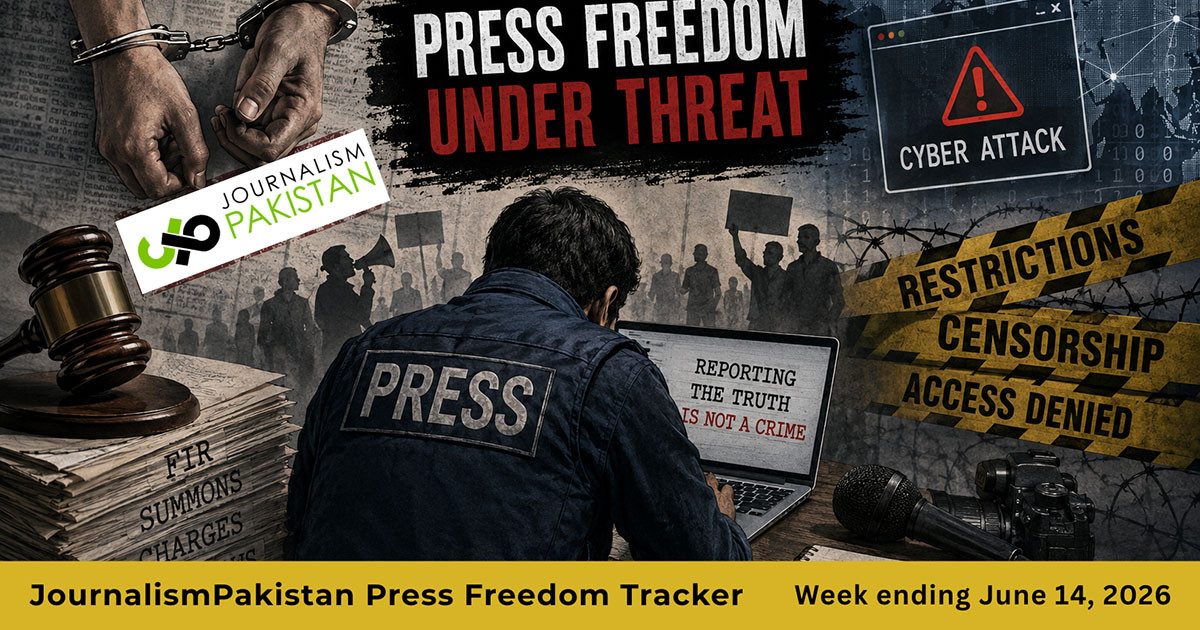
Press freedom incidents are reported in detail in the JP Press Freedom Tracker, published every Sunday. Read our latest Tracker. The next edition will be available on April 5.
WHY THIS MATTERS: This week’s developments show mounting pressures reshaping journalism globally. Governments are testing press access limits, journalists in conflict zones face violence and detention, and legacy media are under financial strain, driving layoffs and labor unrest. Legal battles over editorial independence and platform accountability, along with the rise of AI and digital platforms, are accelerating structural change. Journalism is not only under pressure but is also undergoing a fundamental transformation, with lasting implications for press freedom, public trust, and access to reliable information.
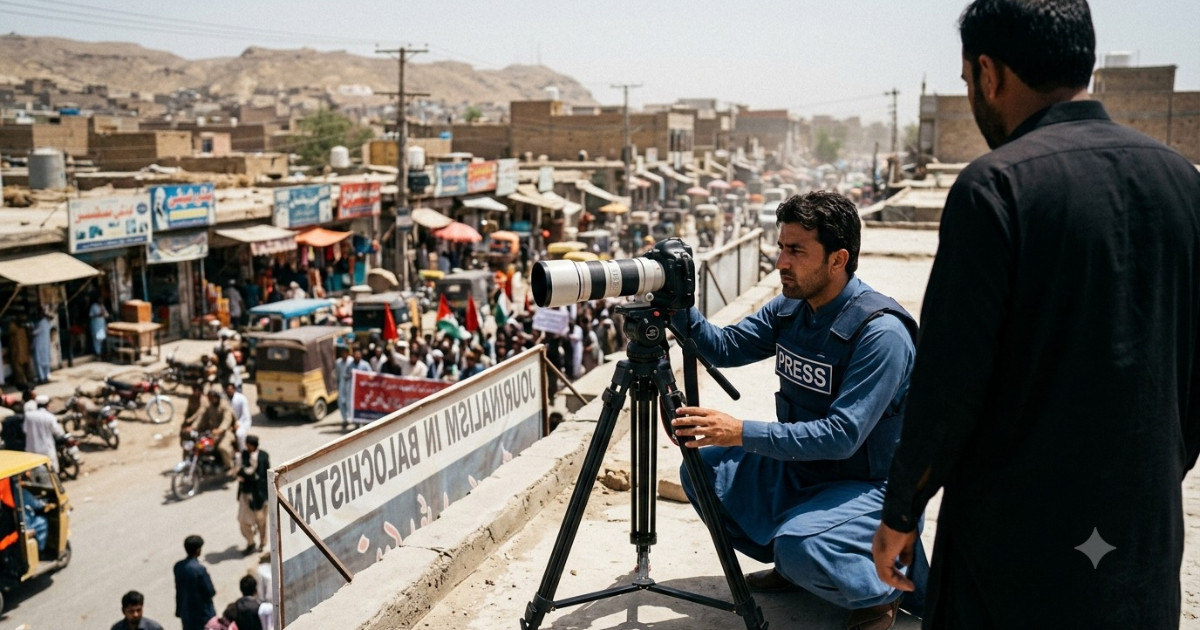
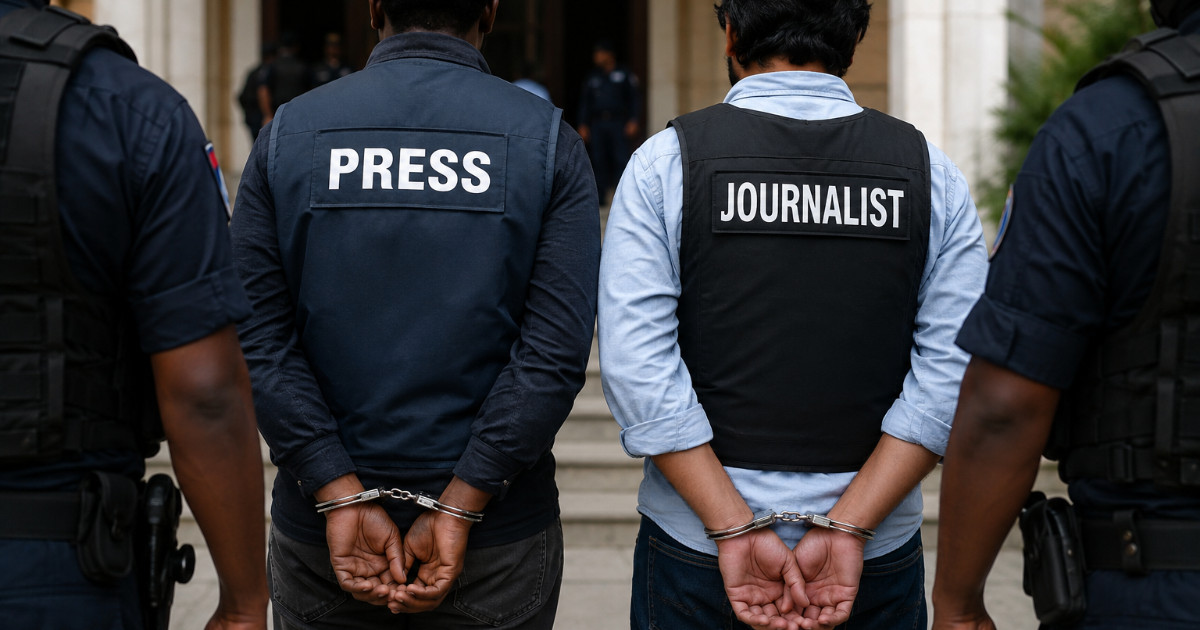
PHOTO: AI-generated; for illustrative purposes
Key Points
- Matt Brittin, a former Google executive, has been confirmed as the director general of the BBC amid digital competition and funding pressures.
- The Pentagon closed its in‑building press workspace and shifted to escort‑only access after a federal judge struck down parts of its media policy.
- A senior reporter in Papua New Guinea was reportedly assaulted while covering state institutions, highlighting physical risks to journalists.
- Journalists worldwide face growing legal and financial pressures, alongside digital threats that compound safety and reporting challenges.
- Coverage includes incidents from Pakistan and other regions that underscore concerns about press access and institutional safeguards.
Key Questions & Answers
What is covered in this edition?
The brief highlights recent leadership changes, restrictions on press access, and rising legal, financial and physical threats to journalists worldwide.
Who is the new BBC director general?
Matt Brittin, a former Google executive, has been confirmed as the next director general of the BBC.
Why did the Pentagon restrict press access?
The Department of Defense closed its in‑building press workspace and moved to escort‑only access after a federal judge struck down key elements of its restrictive media policy.
What types of risks are journalists facing?
Reporters face physical assaults, legal and financial pressures, and digital threats that undermine press freedom and reporting safety.
Relevant Topics
Ask AI: Understand this story your way
AI EnabledDig deeper, ask anything — get instant context, background, and clarity.
Disclaimer: This feature is powered by AI and is intended to help readers explore and understand news stories more easily. While we strive for accuracy, AI-generated responses may occasionally be incomplete or reflect limitations in the underlying model. This feature does not represent the editorial views of JournalismPakistan. For our full, verified reporting, please refer to the original article.