
Australia's public broadcaster strike disrupts news output
JournalismPakistan.com | Published: 25 March 2026 | JP Global Monitoring
Join our WhatsApp channel
On March 25 a large walkout by journalists and production staff at Australia's public broadcaster disrupted TV, radio and digital news. Unions say stalled pay talks, job insecurity and AI use in workflows reflect deeper funding and restructuring tensions.Summary
SYDNEY — Journalists and production staff at Australia’s public broadcaster staged a major strike on March 25, halting or disrupting television, radio, and digital news services in the most significant industrial action at the organization in nearly two decades.
The walkout, organized by media unions representing newsroom and technical employees, reflects mounting frustration over wage stagnation, job insecurity, and concerns about the integration of artificial intelligence in editorial workflows. Staff across multiple departments participated, leading to reduced programming and interruptions in scheduled broadcasts.
Wage tensions and AI concerns intensify the dispute
Union representatives say negotiations with management have stalled over pay increases that they argue fail to keep pace with inflation and rising living costs. Employees have also raised concerns about restructuring plans and the growing use of AI tools in news production, which they fear could reduce staffing levels or alter editorial roles without sufficient safeguards.
Management has acknowledged the disruption but said it remains committed to resolving it through dialogue. In public statements, the broadcaster emphasized its need to balance financial constraints with maintaining high-quality public service journalism, citing ongoing funding pressures and a rapidly changing media landscape.
Public media funding pressures in focus
The strike has drawn attention to broader challenges facing public service broadcasters across the Asia-Pacific region. Many are grappling with tightening budgets, political scrutiny, and the need to adapt to digital consumption trends while maintaining traditional services.
Industry analysts note that similar tensions have emerged in other countries, where newsroom employees are increasingly pushing back against cost-cutting measures and the introduction of automation technologies. The dispute in Australia underscores how labor concerns are becoming intertwined with debates over editorial independence, technological change, and the sustainability of public media institutions.
The industrial action also raises questions about the long-term impact on audience trust and access to reliable information, particularly during periods when public broadcasters play a critical role in delivering verified news.
WHY THIS MATTERS: The strike highlights how newsroom labor issues and AI adoption are becoming central concerns globally, offering a cautionary example for Pakistani media organizations navigating similar transitions. It underscores the need for transparent policies on technology use and fair labor practices to maintain workforce stability. For Pakistani journalists, it reinforces the importance of collective bargaining and proactive engagement in shaping newsroom change.
ATTRIBUTION: Information cited from publicly available reporting by Reuters (March 25, 2026) and a publicly available statement issued by the Media, Entertainment & Arts Alliance (March 25, 2026).
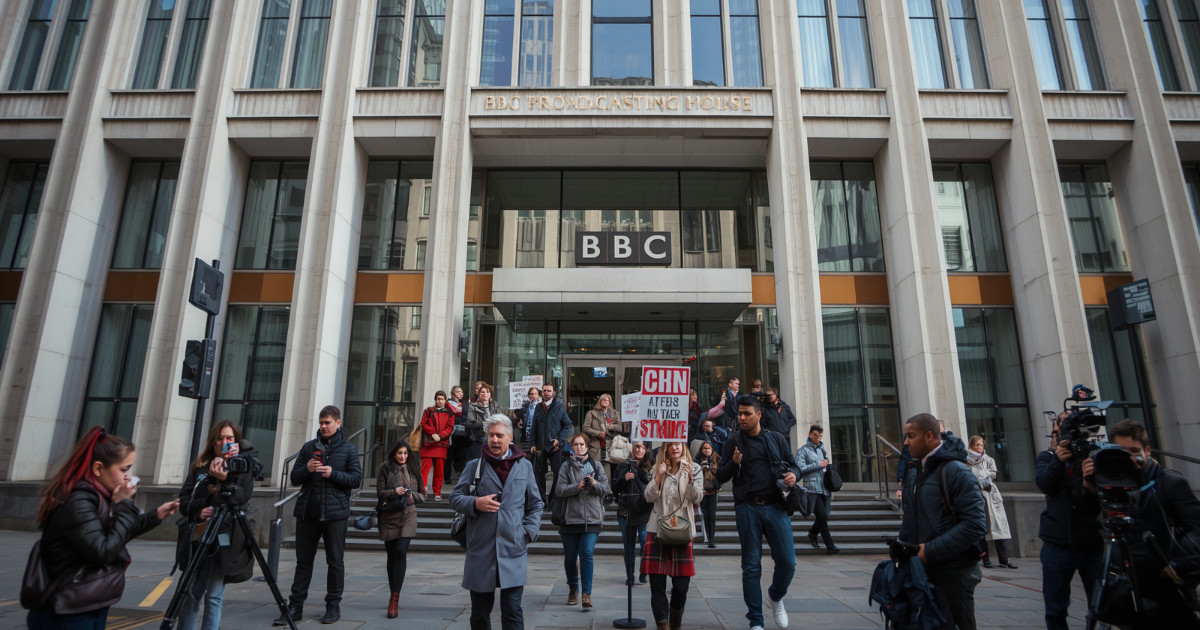
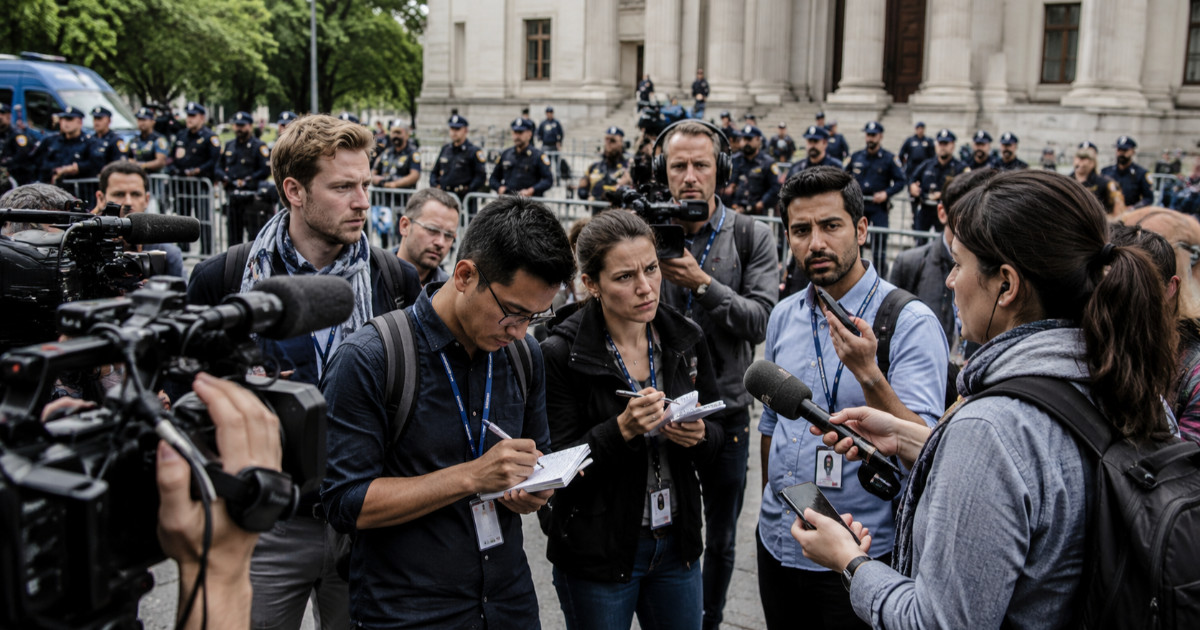
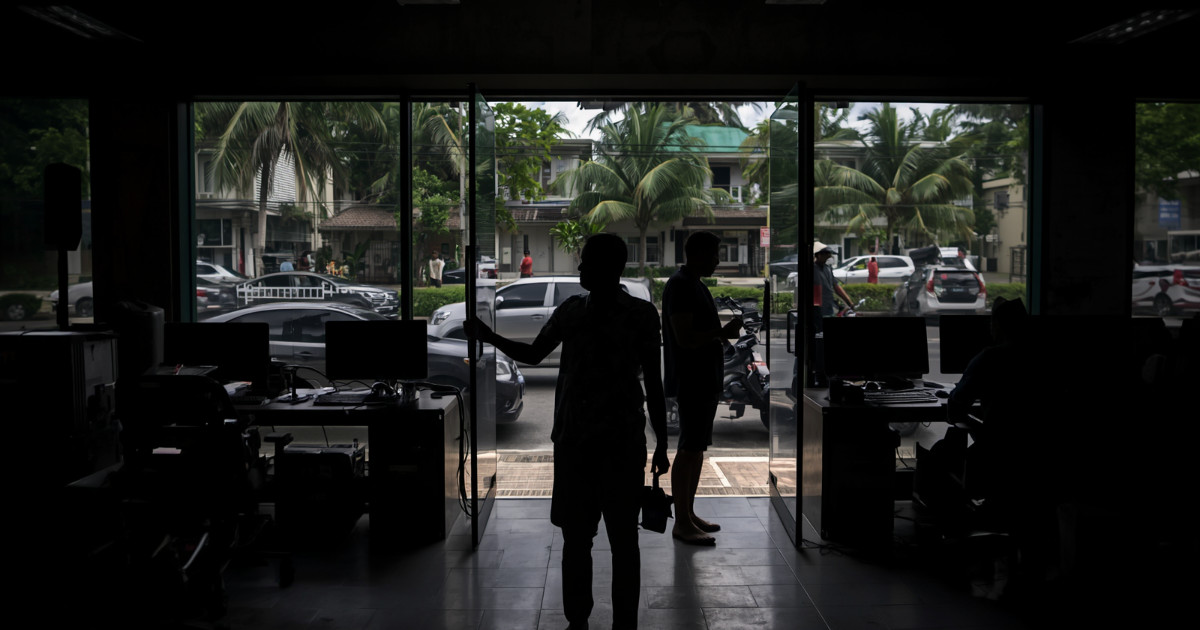
PHOTO: AI-generated; for illustrative purposes only.
Key Points
- March 25 walkout disrupted television, radio and digital news output.
- Participants included journalists, production and technical staff across departments.
- Core grievances: stalled pay increases, job insecurity and concerns over AI integration.
- Management acknowledged disruptions and said it seeks dialogue while citing funding pressures.
- The action spotlights broader funding and restructuring challenges for public broadcasters in the region.
Key Questions & Answers
Why did staff stage the strike?
Unions say employees protested stalled pay talks, rising job insecurity and plans to expand AI in editorial workflows without sufficient safeguards.
Which services were affected?
The walkout halted or disrupted television, radio and digital news services across multiple departments.
What are the unions demanding?
They seek pay increases that keep pace with inflation, stronger job protections and clear safeguards on the use of AI in news production.
How has management responded?
Management acknowledged the disruption, emphasised budget constraints and expressed a commitment to resolve issues through dialogue.
Relevant Topics
Ask AI: Understand this story your way
AI EnabledDig deeper, ask anything — get instant context, background, and clarity.
Disclaimer: This feature is powered by AI and is intended to help readers explore and understand news stories more easily. While we strive for accuracy, AI-generated responses may occasionally be incomplete or reflect limitations in the underlying model. This feature does not represent the editorial views of JournalismPakistan. For our full, verified reporting, please refer to the original article.