
U.S. judge blocks Pentagon press limits in First Amendment ruling
JournalismPakistan.com | Published: 21 March 2026 | JP Global Monitoring
Join our WhatsApp channel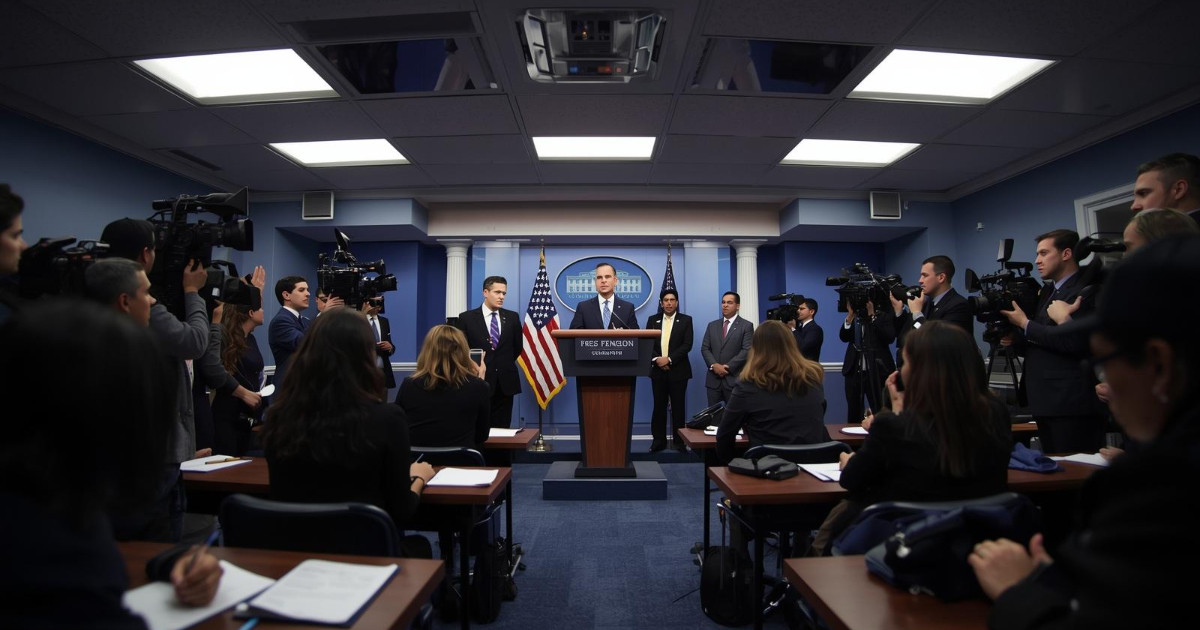
Judge Paul L. Friedman found the Pentagon policy gave officials unchecked power to revoke credentials and restrict routine reporting, violating the First and Fifth Amendments. He blocked the policy and ordered Times reporters' Pentagon passes restored.Summary
WASHINGTON, D.C. — A federal judge on Friday ruled that the Pentagon’s restrictive press access policy violated constitutional protections for free speech and due process, dealing a significant legal blow to the Defense Department’s efforts to control media coverage from within its headquarters. The decision came in a lawsuit filed by The New York Times, which argued that the policy improperly allowed the department to revoke credentials from journalists who refused to accept its reporting conditions.
U.S. District Judge Paul L. Friedman found that the policy, introduced in October 2025 under Defense Secretary Pete Hegseth, conferred unchecked discretion on Pentagon officials to punish reporters for soliciting or reporting information not pre‑approved by the department, even if the information was unclassified, a practice the court said was inconsistent with First and Fifth Amendment protections.
Press freedom and access restored
Friedman issued a permanent injunction blocking enforcement of the challenged provisions and ordered that credentials for The New York Times journalists who had surrendered their Pentagon press passes be reinstated, effectively restoring press corps access that had been lost when dozens of major news organizations refused to sign the revised policy.
The judge emphasized that while national security concerns are legitimate, they do not justify a policy that grants the military unfettered authority to restrict reporting based on viewpoint or perceived security risk arising from routine journalistic practices.
Pentagon plans to appeal
The Department of Defense said it disagrees with the ruling and intends to appeal. The policy, which followed months of negotiations with news organizations, prompted most legacy outlets, including The Times, The Washington Post, Reuters, and others, to surrender their press credentials rather than accept terms they said chilled independent reporting.
Press freedom advocates hailed the decision as a reaffirmation of the constitutional right to gather and report news, particularly as U.S. military activity has expanded in recent months, underlining the importance of diverse media perspectives on government action.
WHY THIS MATTERS: For Pakistani journalists and media professionals, this ruling underscores the vital principle that access to government sources and the ability to report without pre‑approval are fundamental to holding power to account. It highlights the risks of policies that grant state institutions broad discretion to limit press access and offers a precedent for challenging similar restrictions globally.
ATTRIBUTION: Information cited from publicly available reporting by Reuters and the Associated Press (March 20, 2026).
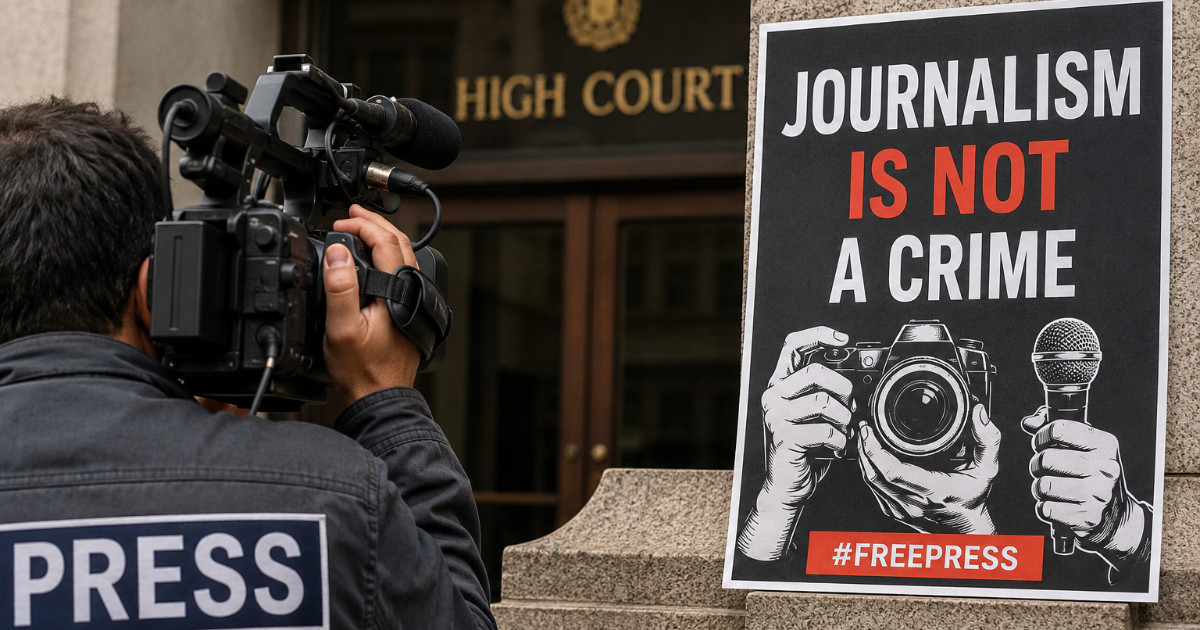
PHOTO: AI‑generated; for illustrative purposes only.
Key Points
- U.S. District Judge Paul L. Friedman ruled the Pentagon's press policy unconstitutional under the First and Fifth Amendments.
- The court issued a permanent injunction blocking enforcement of the challenged provisions.
- Credentials surrendered by New York Times journalists were ordered reinstated.
- The judge found the policy gave Pentagon officials unchecked discretion to punish routine, unclassified reporting.
- Dozens of major news organizations had refused to sign the revised policy and lost access as a result.
Key Questions & Answers
What did the judge rule?
Judge Paul L. Friedman found the Pentagon's press-access policy violated First and Fifth Amendment protections and issued a permanent injunction against its enforcement.
Who brought the lawsuit?
The New York Times filed the lawsuit challenging the revised Pentagon press-access policy.
Are credentials being restored?
Yes, the court ordered that credentials surrendered by New York Times journalists be reinstated, restoring their access to the Pentagon press corps.
Did the court address national security concerns?
The judge acknowledged national security is legitimate but said it does not justify a policy granting unfettered authority to restrict routine journalistic practices.
Relevant Topics
Ask AI: Understand this story your way
AI EnabledDig deeper, ask anything — get instant context, background, and clarity.
Disclaimer: This feature is powered by AI and is intended to help readers explore and understand news stories more easily. While we strive for accuracy, AI-generated responses may occasionally be incomplete or reflect limitations in the underlying model. This feature does not represent the editorial views of JournalismPakistan. For our full, verified reporting, please refer to the original article.