.jpg)
Strategic lawsuits against journalists: what you need to know
JournalismPakistan.com | Published: 27 February 2026 | JP Special Report
Join our WhatsApp channel
SLAPPs are lawsuits used to pressure journalists, media outlets or activists through costly, protracted legal actions aimed at silencing critical reporting rather than securing legitimate redress. They exploit defamation claims to chill public-interest reporting.Summary
Strategic lawsuits against journalists, often referred to as SLAPPs, have emerged as a significant concern for press freedom worldwide. These lawsuits are typically filed by powerful individuals, corporations, or government actors against journalists, media outlets, or activists with the primary aim of intimidating them rather than seeking legitimate legal remedies. The practice can have a chilling effect on reporting, discouraging investigative and critical coverage of public-interest issues.
SLAPPs (Strategic Lawsuit Against Public Participation) are distinct from standard lawsuits because the central purpose is not to win a legal judgment but to burden the target with legal costs, lengthy court proceedings, and reputational threats. Journalists facing such suits often encounter expensive legal fees, prolonged uncertainty, and intense personal and professional pressure. Even when these cases are ultimately dismissed, the damage to the journalist’s career, the media organization’s resources, and public discourse can be significant.
Understanding SLAPPs and their mechanics
SLAPP cases often exploit defamation, libel, or privacy laws to create legal pressure. Common examples include a company suing a reporter for exposing corporate malpractice, a politician targeting a newspaper after publishing critical reporting, or a high-profile individual filing suit to silence social media commentary. Because the legal process can take months or years, the intended effect is often to exhaust the journalist or the news outlet financially and emotionally, forcing self-censorship or discouraging future investigative work.
Countries differ widely in their ability to protect journalists against SLAPPs. In the United States, some states, including California and New York, have enacted anti-SLAPP statutes that allow defendants to quickly dismiss cases deemed to be targeting free speech. These laws also permit the plaintiff to cover the defendant’s legal costs if the suit is found to be frivolous. Other jurisdictions, however, offer weak protections, leaving journalists vulnerable to prolonged legal harassment, particularly in regions with underdeveloped press freedom safeguards.
Global trends and impact
Recent studies indicate that SLAPPs are on the rise worldwide, with the United Nations Special Rapporteur on Freedom of Expression and media watchdogs highlighting cases in Europe, Asia, and the Americas. The Committee to Protect Journalists (CPJ) noted a significant uptick in lawsuits used to target reporting on corruption, environmental issues, and corporate wrongdoing. In some cases, multinational corporations have used cross-border SLAPPs to intimidate journalists publishing in different countries, complicating legal defense and jurisdictional challenges.
SLAPPs can also have indirect consequences for the public. By discouraging critical reporting, these lawsuits undermine transparency, reduce accountability, and restrict access to information on matters of public concern. Media organizations often face strategic decisions about whether to pursue controversial stories, balancing editorial responsibility against the financial and legal risks of being targeted.
Preventing and responding to SLAPPs
Journalists and media organizations have several strategies to mitigate the risks of SLAPPs. Legal preparedness, including retaining counsel familiar with media law and anti-SLAPP statutes, is essential. Some newsrooms maintain dedicated legal defense funds or collaborate with press freedom organizations that provide support for journalists under legal attack. Advocacy and publicizing SLAPP cases can also help reduce the intended intimidation effect by drawing attention to abuses of the legal system.
Policymakers and civil society groups continue to push for stronger anti-SLAPP legislation globally. Comprehensive reforms include early dismissal mechanisms, financial penalties for plaintiffs filing frivolous suits, and explicit recognition of journalistic activities as protected speech. Awareness campaigns and legal education can further empower journalists to understand their rights and respond effectively when targeted.
WHY THIS MATTERS: For Pakistani journalists and media organizations, understanding SLAPPs is increasingly relevant. Pakistan’s media landscape has faced legal pressures, including defamation and regulatory challenges, that can function as SLAPP-like tactics. Newsrooms can benefit from proactive legal strategies, collaboration with press freedom organizations, and training to recognize and respond to potential SLAPP cases. Strengthening legal safeguards and public awareness around these lawsuits could protect investigative reporting on corruption, governance, and corporate accountability.
ATTRIBUTION: Information compiled from the Committee to Protect Journalists, United Nations Special Rapporteur on Freedom of Expression, and global media law resources, all publicly accessible.
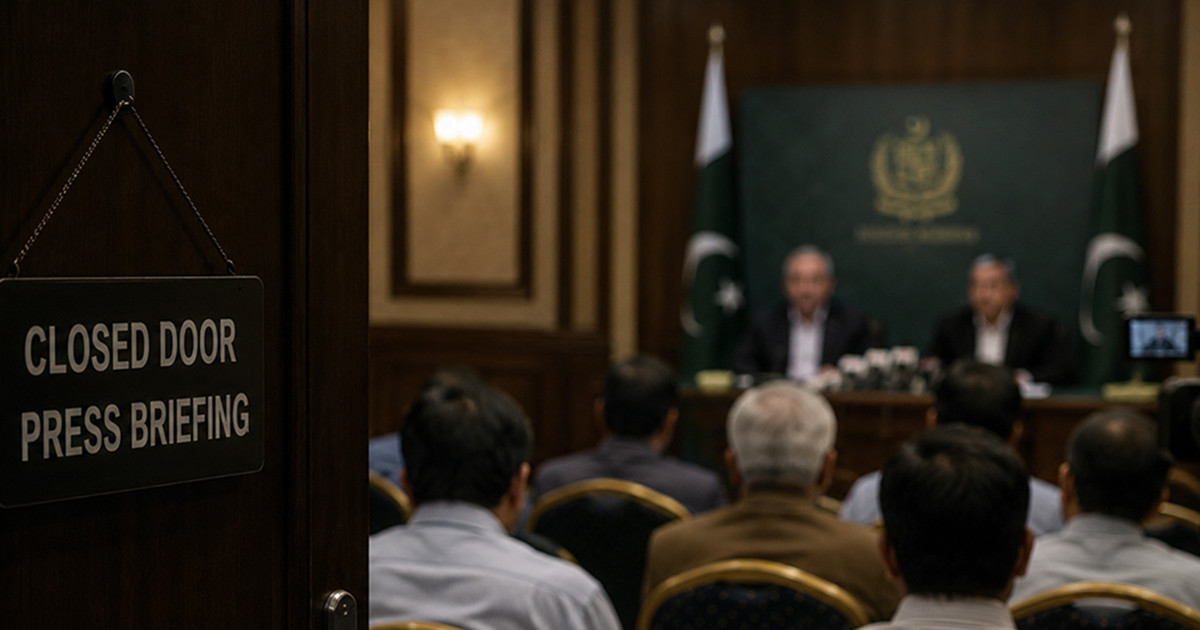
PHOTO: AI-generated; for illustrative purposes only.
Key Points
- SLAPPs are strategic lawsuits filed to intimidate or silence journalists rather than to win on legal merits.
- They commonly use defamation, libel, or privacy claims to create legal and financial pressure.
- The tactics include prolonged court cases, high legal costs, and reputational threats.
- Consequences include self-censorship, reduced investigative reporting, and strained newsroom resources.
- Defenses include anti-SLAPP laws, legal aid, public support, and newsroom risk-management policies.
Key Questions & Answers
What is a SLAPP?
A SLAPP is a Strategic Lawsuit Against Public Participation filed to intimidate or burden journalists and critics through costly legal action rather than to obtain a genuine legal remedy.
How do SLAPPs affect journalists?
They impose heavy legal costs and prolonged uncertainty, leading to self-censorship, reduced investigative work, and damage to careers and outlets.
Which laws are commonly used in SLAPPs?
Defamation, libel, and privacy laws are frequently invoked; plaintiffs may also use injunctions or other remedies to block publication.
How can journalists and outlets respond?
Options include invoking anti-SLAPP statutes where available, seeking pro bono legal support, transparent reporting of litigation, and collective advocacy for legal reform.
Relevant Topics
Ask AI: Understand this story your way
AI EnabledDig deeper, ask anything — get instant context, background, and clarity.
Disclaimer: This feature is powered by AI and is intended to help readers explore and understand news stories more easily. While we strive for accuracy, AI-generated responses may occasionally be incomplete or reflect limitations in the underlying model. This feature does not represent the editorial views of JournalismPakistan. For our full, verified reporting, please refer to the original article.