
Israel denial of aid to Amal Khalil may be a war crime, says CPJ
JournalismPakistan.com | Published: 24 April 2026 | JP Middle East Desk
Join our WhatsApp channel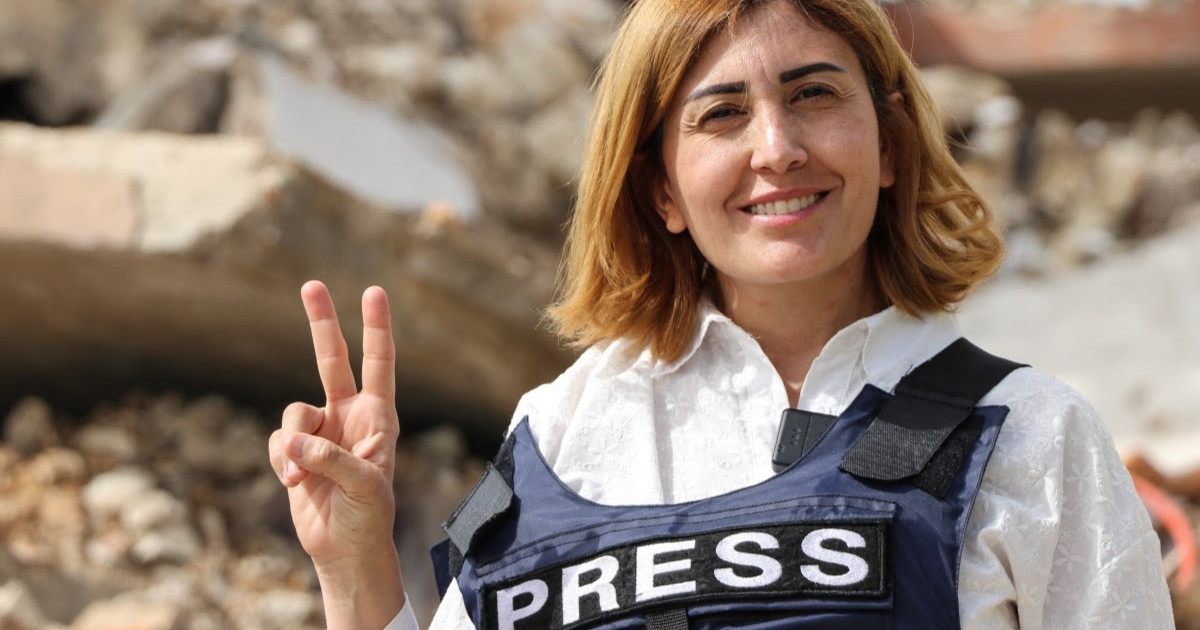
CPJ says Israel's alleged denial of timely medical access to Lebanese reporter Amal Khalil after a strike in southern Lebanon may amount to a war crime. CPJ said shelling and gunfire blocked ambulances from reaching the scene.Summary
NEW YORK—Israel’s alleged failure to allow timely medical access to an injured Lebanese journalist may constitute a war crime, the Committee to Protect Journalists (CPJ) said Thursday, following the death of reporter Amal Khalil in southern Lebanon.
Khalil, who worked for Beirut-based daily Al-Akhbar, was on assignment documenting the aftermath of strikes when she and freelance photojournalist Zeinab Faraj sought shelter in a building after a nearby attack killed two civilians. The building was subsequently hit, leaving both journalists trapped under rubble for hours.
Rescue delays raise legal concerns
Multiple credible reports cited by CPJ indicate that continued shelling and gunfire prevented ambulances and emergency responders from reaching the site in time. Colleagues who remained in contact with Khalil during the incident said she was initially conscious and in stable condition, but later succumbed to her injuries before medical teams could gain access. Faraj remains critically injured.
CPJ CEO Jodie Ginsberg said the incident reflects a troubling pattern. “Journalists are civilians and protected under international law. Preventing emergency services from reaching wounded individuals is a serious violation that demands accountability,” she said in a statement.
Under international humanitarian law, civilians, including journalists, must be protected from attack, and wounded individuals must receive medical care without discrimination. The deliberate denial of such care may constitute a grave breach of the Geneva Conventions and amount to a war crime.
Pattern of attacks on media workers
CPJ said Khalil’s death adds to a growing number of journalist fatalities in Lebanon since October 7, 2023, with at least 15 media workers reported killed by Israeli strikes. Her killing occurred during a ceasefire between Israel and Lebanon that took effect on April 16, raising further concerns about compliance with international norms.
The organization also referenced a similar case in Gaza in December 2023, when Al Jazeera Arabic cameraman Samer Abu Daqqa died after rescue crews were reportedly blocked from reaching him for several hours following an Israeli strike.
CPJ’s regional director Sara Qudah, warned that a “culture of impunity” in Gaza may be contributing to repeated violations in Lebanon. She called for an independent international investigation into Khalil’s death and broader accountability for attacks on journalists.
Legal protections and targeting concerns
There is no publicly available evidence that Khalil or Faraj were participating in hostilities at the time of the strike. Under international law, journalists retain civilian protection regardless of their editorial affiliations, provided they do not take direct part in conflict.
Khalil had reportedly received threats before her death, including a documented warning in 2024 and public remarks by an Israeli military official days before the incident. Lebanese officials have also alleged that obstruction of rescue operations contributed directly to her death, a claim that, if verified, could constitute an additional violation of international humanitarian law.
ATTRIBUTION: Reporting by JournalismPakistan, based on publicly available statements from the Committee to Protect Journalists (April 24, 2026) and reports by Al Jazeera (December 2023).
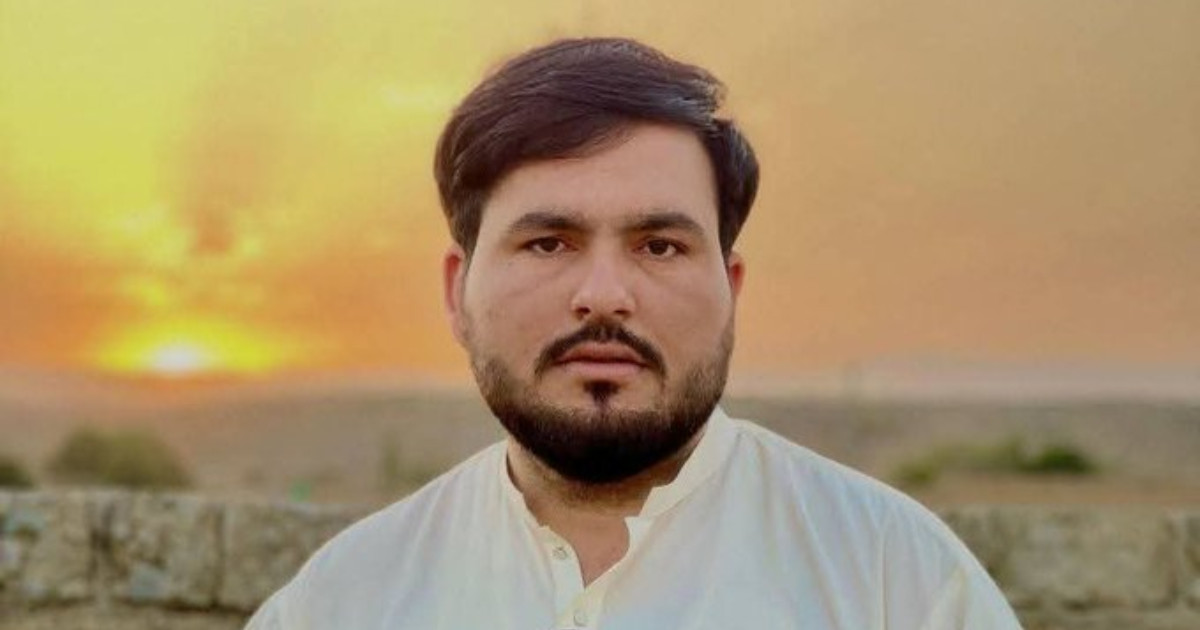
PHOTO: Amal Khalil (AFP/Circulated by CPJ)
Key Points
- Amal Khalil, a reporter for Al-Akhbar, died after being trapped under rubble following a strike in southern Lebanon.
- Freelance photojournalist Zeinab Faraj was also trapped and remains critically injured.
- CPJ cited multiple credible reports that continued shelling and gunfire prevented ambulances and emergency responders from reaching the site.
- CPJ CEO Jodie Ginsberg emphasized that journalists are civilians protected under international humanitarian law.
- Deliberate denial of medical care to the wounded could breach the Geneva Conventions and may amount to a war crime, CPJ said.
Key Questions & Answers
Did CPJ call Khalil's death a war crime?
CPJ said the alleged denial of timely medical access may amount to a war crime and has called for accountability.
Who was Amal Khalil?
Amal Khalil was a reporter for the Beirut-based daily Al-Akhbar documenting the aftermath of strikes in southern Lebanon.
What prevented emergency responders from reaching the journalists?
Multiple credible reports cited by CPJ indicate continued shelling and gunfire blocked ambulances and responders from reaching the site.
Which legal rules apply to the denial of medical care?
International humanitarian law, including the Geneva Conventions, protects civilians and requires that wounded individuals receive medical care without discrimination.
Relevant Topics
Ask AI: Understand this story your way
AI EnabledDig deeper, ask anything — get instant context, background, and clarity.
Disclaimer: This feature is powered by AI and is intended to help readers explore and understand news stories more easily. While we strive for accuracy, AI-generated responses may occasionally be incomplete or reflect limitations in the underlying model. This feature does not represent the editorial views of JournalismPakistan. For our full, verified reporting, please refer to the original article.