.png)
Safety, security of media pros: Study calls for establishing training institute
JournalismPakistan.com | Published: 29 December 2015
Join our WhatsApp channel
A recent HRCP study has highlighted the urgent need for a training institute dedicated to the safety of journalists in Pakistan. The report emphasizes collaborative efforts from the government and media houses to improve conditions and security for media professionals.Summary
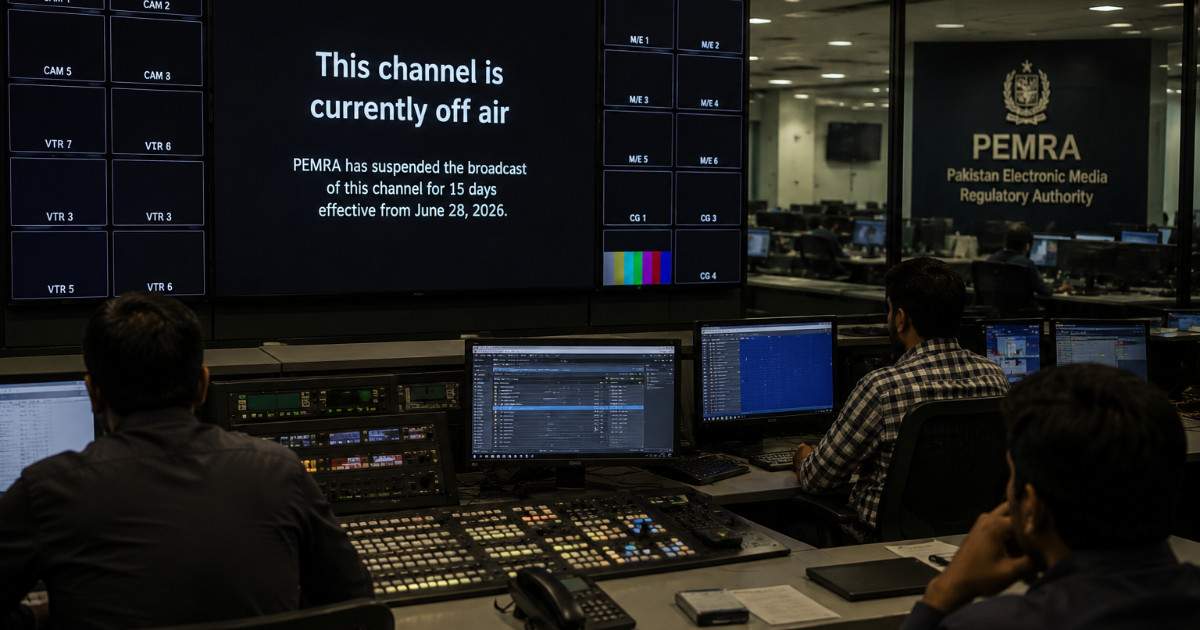
ISLAMABAD: A research study conducted by Human Rights Commission of Pakistan (HRCP) has urged Pakistan Electronic Media Regulatory Authority (PEMRA) to establish a journalist training institute to train media professionals on issues of safety and security and also to contribute towards Journalists Safety Fund.
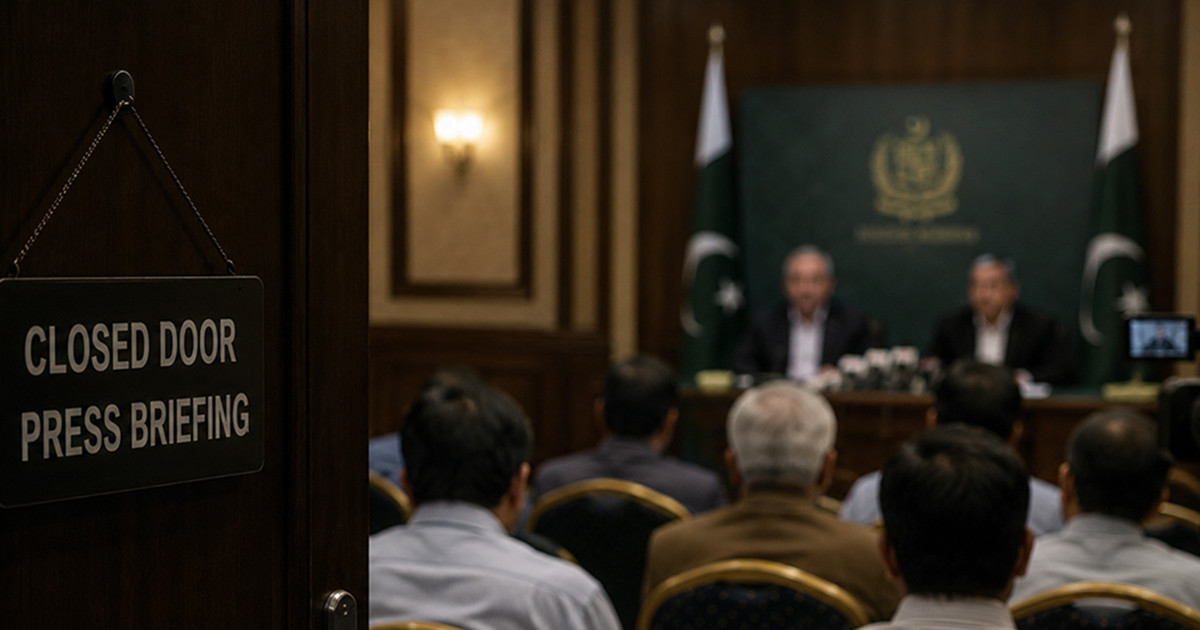
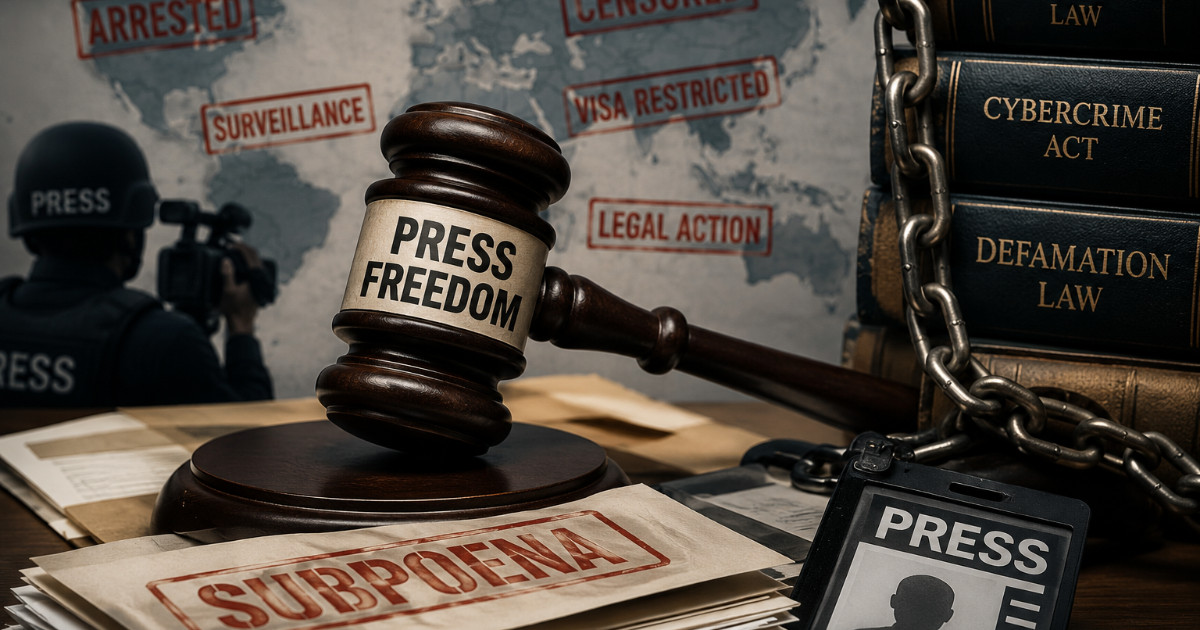
The findings of the study were shared by Dr Zafarrullah at a HRCP consultation on ‘Enhancing Security of Media Persons.’ The consultation was attended by media representatives and civil society activists who held an in-depth discussion on the security and safety issues faced by the journalists around the country and gave solutions. They said the state is responsible for providing security to media persons and demanded of the Parliament to adopt and implement Journalists Safety Bill at the earliest.
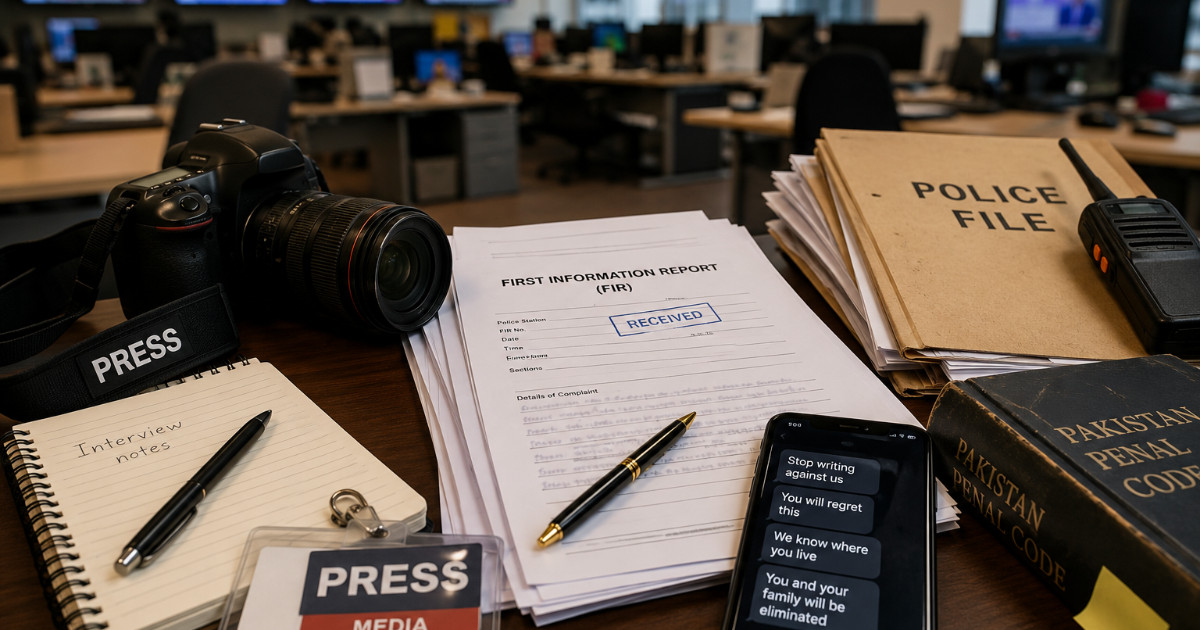
Some criticized media houses and media persons for their policies and attitudes which they believed leads to further insecurity for journalists. They also demanded of the government to make public the reports of the judicial commissions set up for attacks on journalists including Umer Cheema, Hamid Mir and Saleem Shahzad.
Eminent journalist M Ziauddin said issues like safety and security must be part of the conditions for issuance of license to any media house. He stressed the role journalist community and media owners could play to protect employees. He said that competition among different media houses should not turn into rivalry.
President Pakistan Federal Union Journalists (PFUJ) Afzal Butt talked about the working conditions for media persons in Pakistan and said it is important to first ensure the human rights of journalists which are violated every day.
The participants said that that the journalists are often sandwiched between the militants and the military in troubled spots like the Federally Administered Tribal Areas (FATA) and between the separatists and the security in Balochistan.
Author of the report Barrister Zafarullah shared the report's basic findings. He said that Pakistan must adhere to its international commitments and obligations under the UN system and create conducive environment for freedom of expression and right to life and liberty.
The report demands of the government to create effective institutional structure to promote and protect fundamental freedoms. It says that the courts must serve timely justice to ensure rule of law and put a full-stop to prevailing culture of impunity.
The report suggests that professional associations must join hands to establish a training institute at the federal and provincial levels to offer training on issues related to safety and security of journalists and develop SOPs (Standard Operating Procedures) for the safety of media houses.
The research suggested the government to work in collaboration with the organizations that are dedicated to the cause of safety and security of journalists and media houses to get an accurate picture of the problem and governmental efforts for the safety and security of journalists must be better coordinated with the provinces to garner meaningful results. The research points out that the press, media, and journalists have become the frontline sufferers and it appears that many actors of this chaos have deliberately ‘zoomed in’ on the media, primarily to dictate their narrative on these channels of communication and also to earn some oxygen of publicity for their odd cause.
It says that in many instances of violence against the journalists the victims are those who are reluctant to follow ‘stereo-typical’ notions of security or are vocal critics of extremist aberrations in the society.
Key Points
- HRCP urges establishment of a journalist training institute.
- Consultation addresses media safety and security issues.
- Participants demand adoption of the Journalists Safety Bill.
- Criticism of media houses for contributing to journalist insecurity.
- Call for better governmental coordination to ensure journalist safety.
Relevant Topics
Ask AI: Understand this story your way
AI EnabledDig deeper, ask anything — get instant context, background, and clarity.
Disclaimer: This feature is powered by AI and is intended to help readers explore and understand news stories more easily. While we strive for accuracy, AI-generated responses may occasionally be incomplete or reflect limitations in the underlying model. This feature does not represent the editorial views of JournalismPakistan. For our full, verified reporting, please refer to the original article.