
Zambia journalist held over leaked election audio
JournalismPakistan.com | Published: 21 July 2026 | JP Global Monitoring
Join our WhatsApp channel
MacPherson Mukuka, a ZNBC journalist, has been held since July 17 over publishing a 30‑minute leaked audio that authorities allege breached Section 10 of the 2025 Cyber Crimes Act. Rights groups say the detention threatens press freedom ahead of the August 13 election.Summary
LUSAKA — A Zambian journalist remains in police detention after being accused of publishing a secretly recorded audio conversation that authorities say violated the country's Cyber Crimes Act, drawing criticism from international press freedom advocates ahead of national elections.
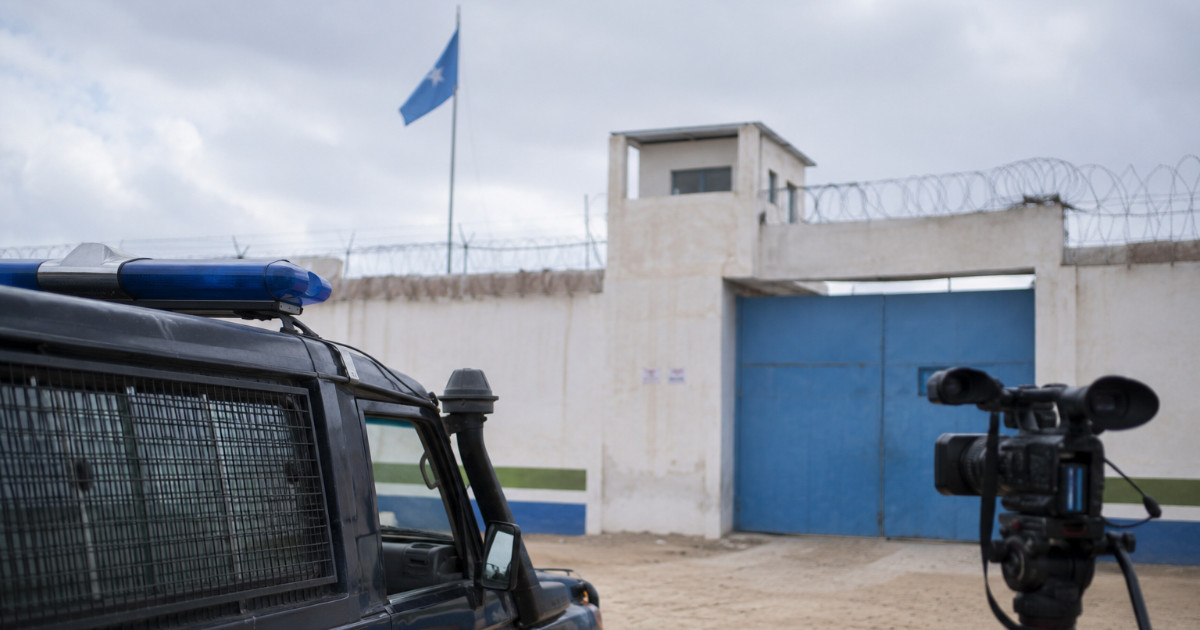
MacPherson Mukuka, a journalist with the state-owned Zambia National Broadcasting Corporation (ZNBC), has been held at Kabwata Police Station in Lusaka since July 17. According to police and his lawyer, Simon Mulenga Mwila, he is accused of violating Section 10 of Zambia's 2025 Cyber Crimes Act, which prohibits recording a private conversation without prior notice.
Cyber law sparks press freedom concerns
The case centers on a 30-minute audio recording that was published on the Facebook page of EARTH Television – Zambia, a platform focused on climate issues. The recording is described as featuring public servants linked to a presidential campaign committee discussing election-related matters. The authenticity of the recording has not been independently verified.
If convicted, Mukuka could face up to two years in prison, a fine of up to 200,000 penalty units (about US$4,450), or both.
The Committee to Protect Journalists (CPJ) has called for Mukuka's immediate release, arguing that journalists should not face criminal penalties for reporting on issues that appear to be in the public interest. CPJ said the detention is especially concerning with Zambia scheduled to hold elections on August 13.
Legal challenge to cyber laws continues
Mukuka's arrest comes as Zambia's Cyber Security Act and Cyber Crimes Act remain under legal challenge. The Law Association of Zambia and the nonprofit Chapter One Foundation have petitioned the courts, arguing that several provisions of the laws are unconstitutional. A judgment is expected on October 20.
Media organizations and civil society groups have warned that the legislation's surveillance and communication interception provisions could discourage investigative journalism and deter whistleblowers from exposing wrongdoing. CPJ said it has provided technical guidance to the Free Press Initiative, which is participating in the constitutional case as amicus curiae.
Police spokesperson Godfrey Chilabi told CPJ that authorities would provide an update on Mukuka's detention in due course.
WHY THIS MATTERS: The case illustrates how cybercrime legislation can increasingly intersect with investigative journalism, particularly during election periods. News organizations across Africa and elsewhere are closely watching whether courts strike an appropriate balance between privacy protections and the public interest in exposing matters related to electoral integrity.
ATTRIBUTION: Reporting by JournalismPakistan, based on a publicly available report by the Committee to Protect Journalists (July 21, 2026) and official statements from the Zambia Police.
PHOTO: MacPherson Mukuka (Credit withheld/circulated by CPJ)
Key Points
- MacPherson Mukuka, a ZNBC journalist, has been held at Kabwata Police Station since July 17.
- He is accused under Section 10 of the 2025 Cyber Crimes Act for recording or publishing a private conversation.
- The case concerns a 30‑minute audio published on EARTH Television's Facebook page allegedly featuring public servants linked to a campaign committee.
- If convicted, Mukuka could face up to two years in prison, a large fine, or both.
- Press freedom groups, including the CPJ, have urged his release and warned of risks to media rights ahead of the August 13 election.
Key Questions & Answers
What is MacPherson Mukuka accused of?
He is accused of publishing a 30‑minute secretly recorded audio that authorities say violated Section 10 of the 2025 Cyber Crimes Act.
Which law is being cited in the charges?
Police cited Section 10 of Zambia's 2025 Cyber Crimes Act, which prohibits recording or publishing private conversations without notice.
What penalties could he face if convicted?
He could face up to two years in prison, a fine of up to 200,000 penalty units (around US$4,450), or both.
How have press freedom groups reacted?
Groups such as the Committee to Protect Journalists have called for his immediate release, saying journalists should not face criminal penalties for public interest reporting.
Relevant Topics
Ask AI: Understand this story your way
AI EnabledDig deeper, ask anything — get instant context, background, and clarity.
Disclaimer: This feature is powered by AI and is intended to help readers explore and understand news stories more easily. While we strive for accuracy, AI-generated responses may occasionally be incomplete or reflect limitations in the underlying model. This feature does not represent the editorial views of JournalismPakistan. For our full, verified reporting, please refer to the original article.