
Pakistan Press Foundation calls on media to promote safety of female staff
JournalismPakistan.com | Published: 8 March 2017
Join our WhatsApp channel
The Pakistan Press Foundation has called on media organizations to examine women's safety in the workplace and promote their entry into the profession. It highlights the alarming statistics regarding female representation and the pervasive issue of sexual harassment faced by women in media.Summary
KARACHI - Pakistan Press Foundation (PPF) has called on the country’s media to seriously examine the safety of female staff members within their organizations and implement measures to provide a safe working environment that would encourage women to enter the profession in greater numbers.
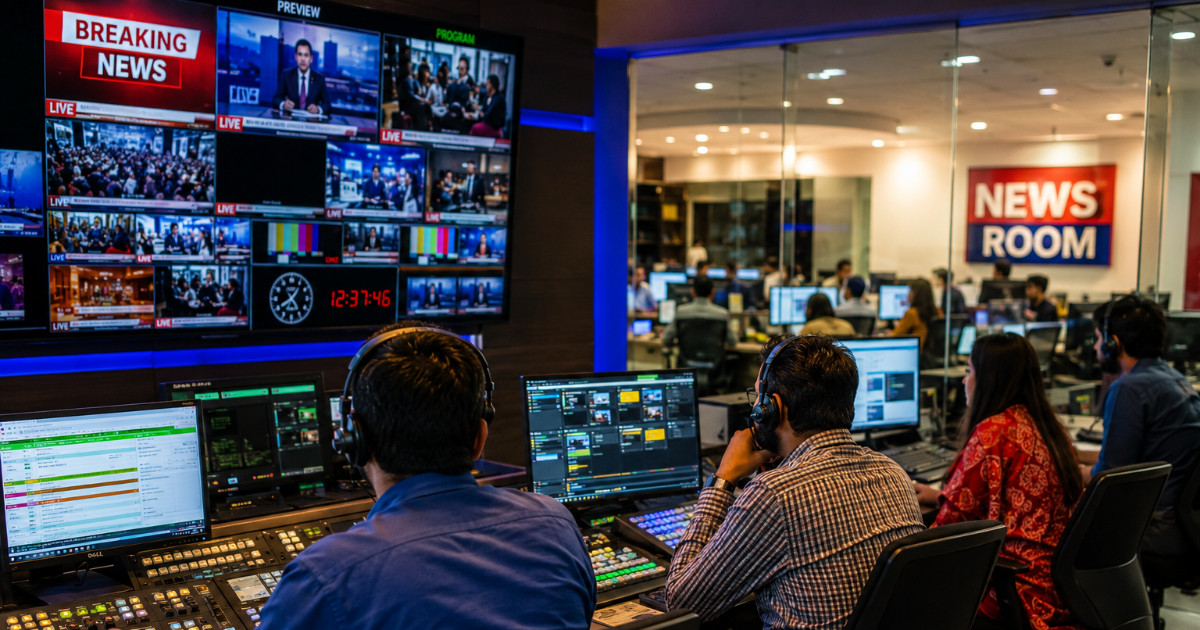
In a statement issued on the International Women Day, PPF lamented that females are a dismal five percent of the workforce in Pakistani media compared to over 25 percent for the Asia Pacific region. Women are even rarer in corporate and editorial boards, or in positions of authority such as editors, bureau chiefs, director news, chief reporters, etc.
On television, female anchors and talk show hosts are relegated to the ‘soft’ morning shows and very few women are given the opportunity to host prime time current affairs programs. Gender balance is also missing in unions and press clubs, although some do reserve one seat for female members.
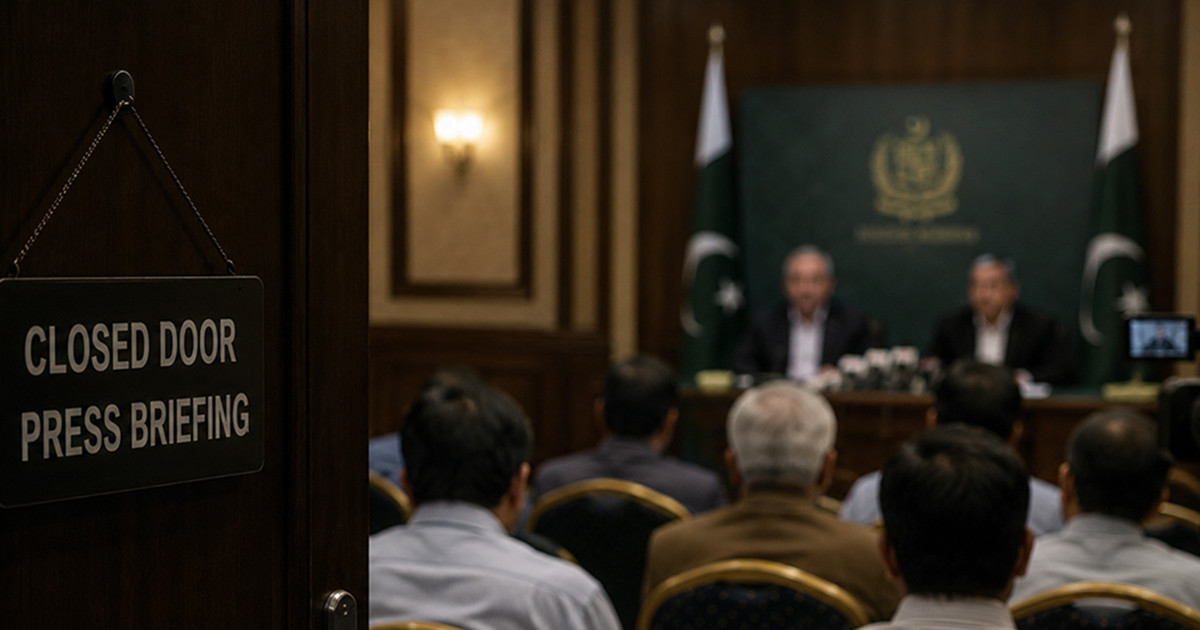
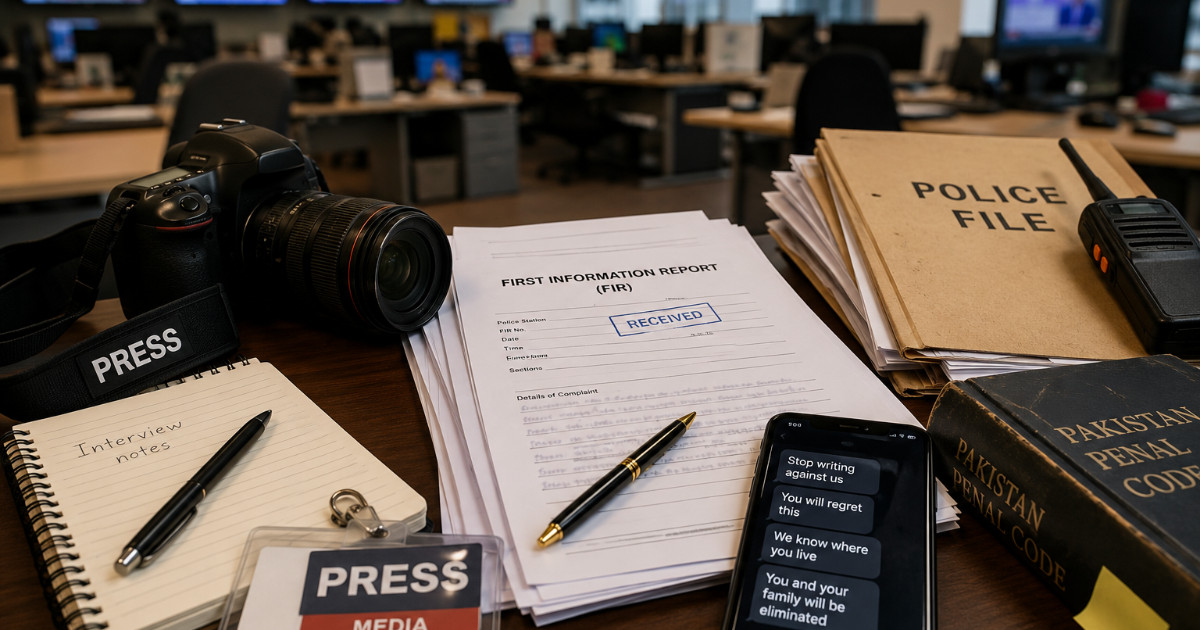
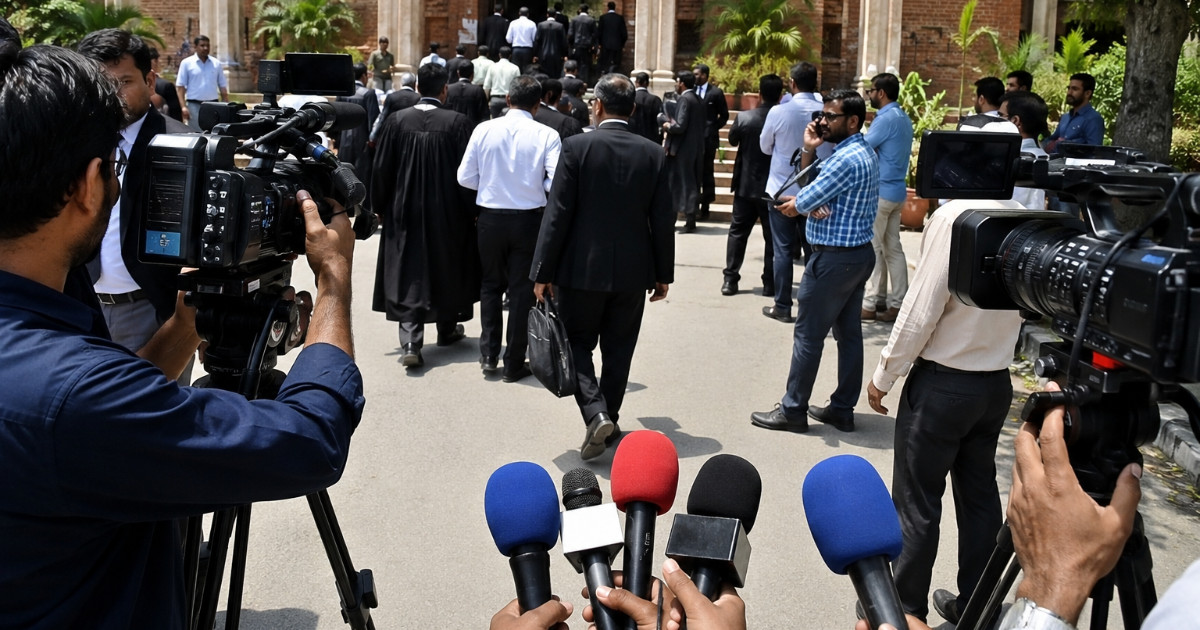
Pakistan is amongst the most dangerous countries in the world for journalists and it is difficult for media personnel to work in a secure atmosphere. Additionally, female media practitioners also face sexual harassment, threats, and violence from both within the profession itself as well as from society at large.
PPF said intimidation and sexual harassment of females in workplaces is a serious barrier to the entry of women in Pakistani media. According to a research on Pakistani media by the International Federation of Journalists (IFJ), one in five females has personally experienced sexual harassment at the workplace. Three out of every four women who had been sexually harassed simply did not report the incidents because of absent or ineffective grievance redressal mechanisms and fear of reprisals or social stigma. Sexual predators especially target the most vulnerable female staff members and it is necessary for their employers to provide a safe and secure working environment for all female employees.
The safety challenges faced by women employees in media organizations in Pakistan cover a range of physical, mental and emotional threats, intimidation and attempts to tarnish the reputation of the victim. These acts include inappropriate sexual advances, touching or groping, standing inappropriately close to female colleagues, staring and ogling. Other common forms of sexual harassment include spreading of innuendos, inappropriate comments, obscene conversations and jokes, obscene SMS messages and phone calls.
Perpetrators try to tarnish the reputation the females who complain sexual harassment and raise questions about their moral character. Victims of sexual harassment often do not find support from their colleagues, bosses or even other women colleagues who do not want to create tension in the office.
In Pakistan, the tarnishing of reputation and moral character can have very serious consequences for women and this makes them more vulnerable to hate spread over the digital media. This promotes self-censorship and there have been several instances of hate campaigns forcing female journalists to withdraw from using social media, such as Facebook and Twitter, or to stop commenting on sensitive issues.
More than a quarter women journalists in Pakistan have experienced threats online, via email and social media. These threats include threats of murder and violence, declarations of apostasy, accusations of treason, sexually explicit messages and images, invitations for sex, humiliating, vulgar and insulting messages.
Despite the seriousness and pervasiveness of threat, most journalists, including female journalists, are not aware of safe digital practices or how to make use of the existing mechanisms to report threats and hate campaigns.
The apathy of Pakistani media in dealing with gender discrimination and harassment is evident from the fact that only a handful of media houses comply with even the minimum legal requirement of setting up in-house inquiry committees to investigate complaints of sexual harassment. Under the Protection of Women against Harassment at Workplace Act 2010, all organizations in Pakistan are legally required to set up these in-house committees.
Pakistan Press Foundation (PPF) has called on media organizations including Pakistan Federal Union of Journalists (PFUJ), Council of Pakistan Newspaper Editors (CPNE), All Pakistan Newspaper Society (APNS) and Pakistan Broadcasters Association (PBA) to encourage and facilitate their members to ensure the creation of the committees which would promote the sense of security for their female staff members and encourage other women to enter the profession. Media organizations should also facilitate implementation of Code of Conduct at the Workplace against Sexual Harassment by all print, electronic and online media outlets. - PPF
Key Points
- PPF emphasizes the need for safer working environments for female media staff.
- Only 5% of the workforce in Pakistani media is female, compared to 25% in the Asia Pacific.
- Research shows one in five women journalists face sexual harassment at work.
Relevant Topics
Ask AI: Understand this story your way
AI EnabledDig deeper, ask anything — get instant context, background, and clarity.
Disclaimer: This feature is powered by AI and is intended to help readers explore and understand news stories more easily. While we strive for accuracy, AI-generated responses may occasionally be incomplete or reflect limitations in the underlying model. This feature does not represent the editorial views of JournalismPakistan. For our full, verified reporting, please refer to the original article.