.jpg)
Pakistan Media Monitor | Edition 3 | June 23-July 6, 2026
JournalismPakistan.com | Published: 6 July 2026 | JP News Desk
Join our WhatsApp channel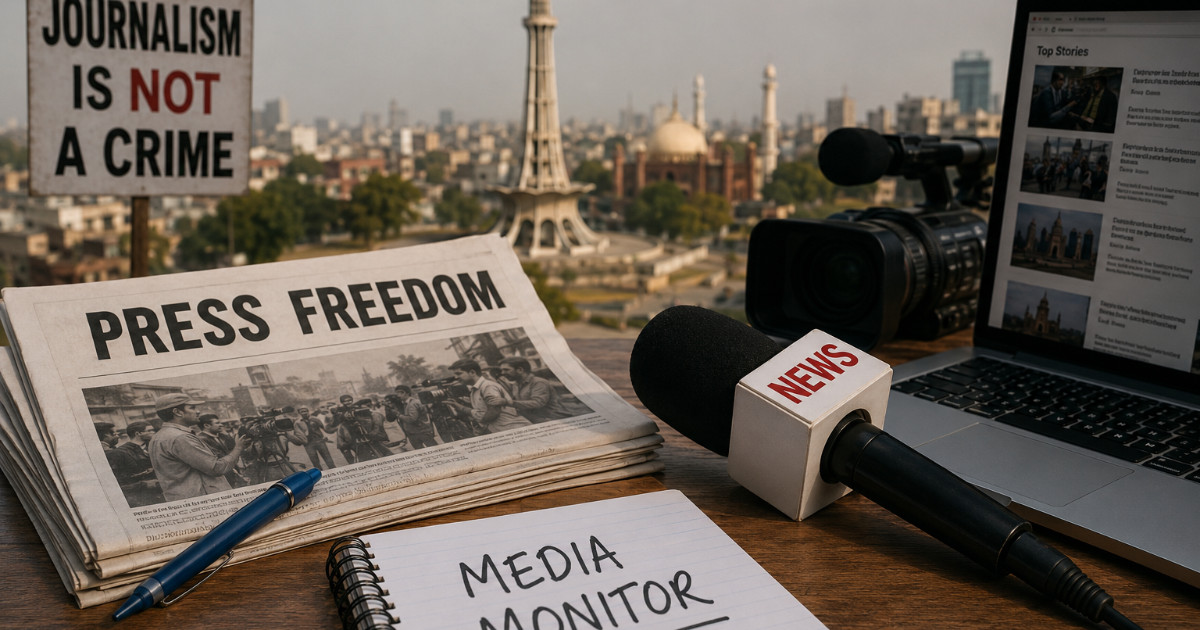
June 23-July 6, 2026 saw Pakistan's media face regulatory and legal pressure, including Geo News' suspension and a PECA arrest, plus attacks on media workers and financial strain. The period also intensified debates on AI, digital platforms and ethics.Summary
Introduction
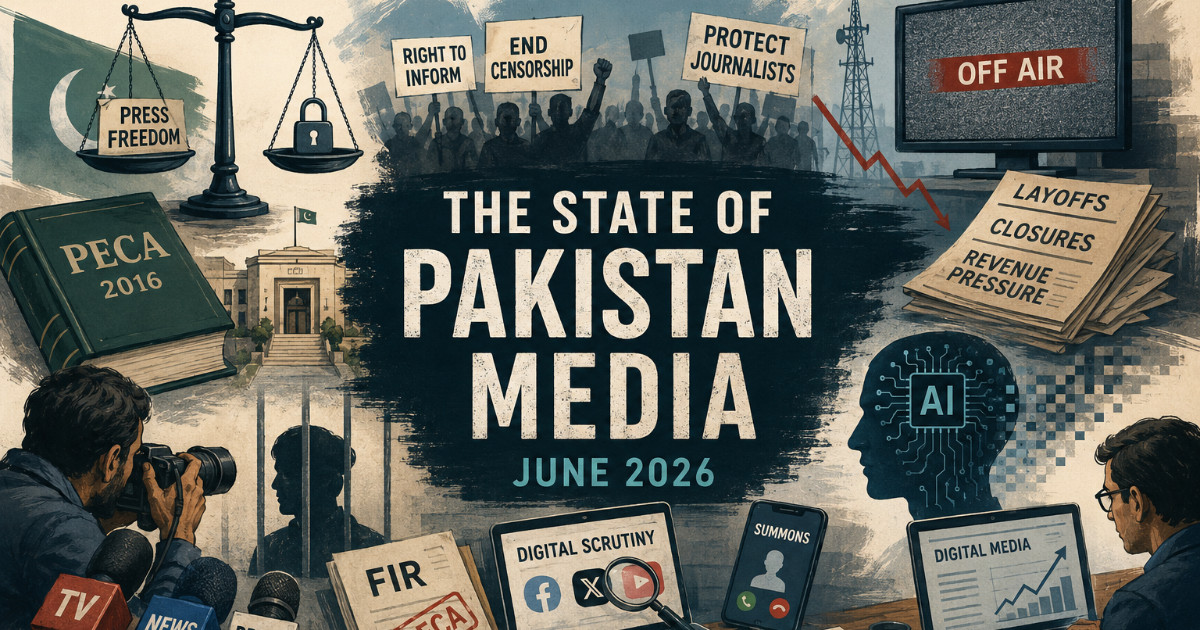
Pakistan's media landscape remained under sustained pressure during June 23-July 6, 2026, as developments highlighted the increasingly complex environment in which journalists and news organizations operate. Regulatory action against a leading television channel, continued use of cybercrime laws in cases involving journalists, attacks on media workers, newsroom financial challenges, and debates over professional ethics underscored the wide range of issues confronting the industry.
The period also reflected the growing convergence of traditional broadcasting, digital platforms, and artificial intelligence. Questions surrounding editorial independence, journalist safety, online expression, newsroom sustainability, and emerging AI-related copyright issues continued to shape discussions within Pakistan's media community. This edition of Pakistan Media Monitor examines the key developments shaping journalism, broadcasting, digital media, regulation, and the media business in Pakistan over the past two weeks.
Editor's Note
The stories featured in this edition demonstrate that Pakistan's media industry continues to face pressure on multiple fronts.
The suspension of Geo News following a controversial documentary has reignited debate over broadcast regulation, editorial accountability, and the limits of regulatory intervention. At the same time, the arrest of journalist Razi Tahir under PECA, attacks targeting journalists and their families, and continuing concerns over newsroom safety illustrate the difficult environment in which many media professionals continue to work.
Economic pressures also remain evident. A salary dispute at Aaj News highlighted persistent concerns about financial sustainability within Pakistan's television industry, while the Khyber Pakhtunkhwa government's journalist welfare package offered one example of official efforts to strengthen support for the profession.
Meanwhile, developments beyond Pakistan's borders, including Kenya's ruling on the killing of Arshad Sharif and the global debate over AI copyright, served as reminders that journalism today is shaped not only by domestic policies but also by international legal, technological, and industry trends.
Pakistan Media Monitor aims to bring these diverse developments together in one place, providing journalists, researchers, media professionals, and students with a comprehensive snapshot of the issues shaping Pakistan's evolving media landscape.
—Imran Naeem Ahmad
Editor & Publisher
JournalismPakistan.com
Top Story
PEMRA suspends Geo News as debate over broadcast regulation intensifies
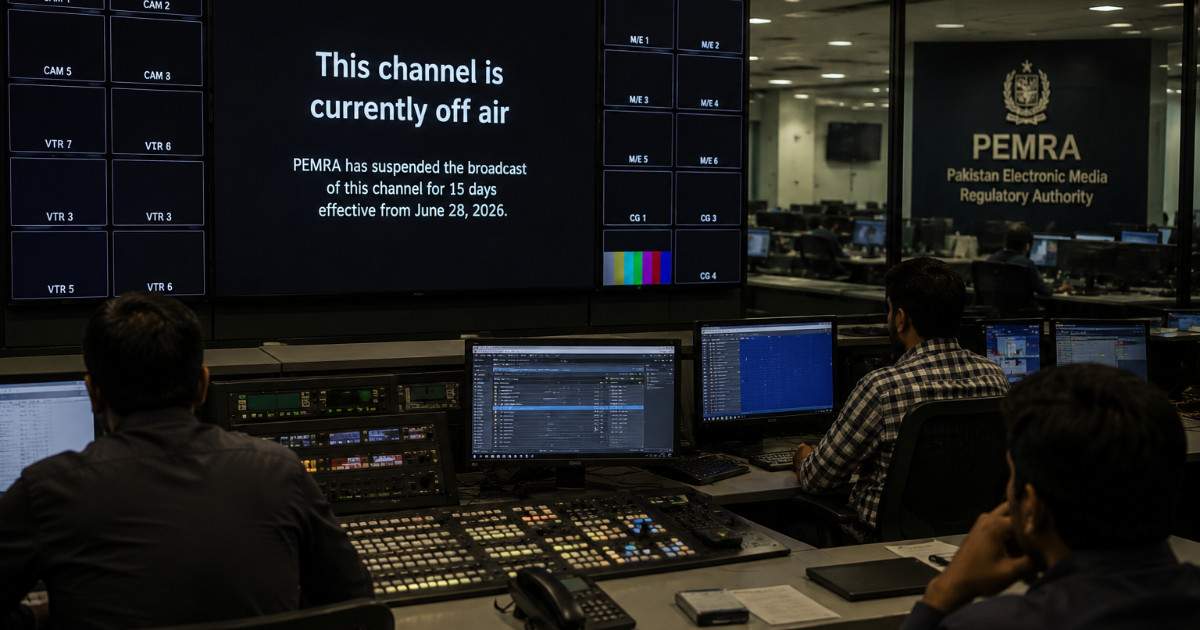
The Pakistan Electronic Media Regulatory Authority (PEMRA) ordered the suspension of Geo News' transmission for 15 days after finding that the broadcaster's documentary, Safar-e-Ishq, violated regulations governing religious programming. The regulator also referred the matter to its Council of Complaints and directed the channel to conduct an internal inquiry into editorial and compliance failures.
Geo News withdrew the documentary, issued a public apology, and announced disciplinary action against staff involved in its production. Days later, the Committee to Protect Journalists (CPJ) criticized the suspension, describing it as a serious escalation of state interference in the media and expressing concern about the impact of broadcast sanctions on editorial independence.
The case has become one of the most significant media developments of the review period because it extends beyond a single program. It has revived longstanding questions about how regulators should balance public sensitivities, editorial responsibility, and press freedom. For broadcasters across Pakistan, the suspension serves as a reminder that editorial oversight, legal compliance, and internal review mechanisms remain critical when covering sensitive religious and public-interest issues.
The episode is also likely to influence newsroom decision-making well beyond Geo News, encouraging greater caution in editorial processes while renewing debate over the scope of regulatory authority and the protection of independent journalism.
Key Themes
• Regulatory scrutiny of broadcast journalism intensified following PEMRA's suspension of Geo News.
• PECA continued to feature prominently in cases involving journalists and digital expression.
• Physical attacks and intimidation remained serious threats to journalist safety.
• Financial pressures persisted within Pakistan's television industry despite new government support initiatives.
• Social media conduct and professional ethics remained subjects of debate among journalists.
• Artificial intelligence and copyright emerged as growing strategic issues for Pakistan's media industry.
Journalist arrests and legal cases
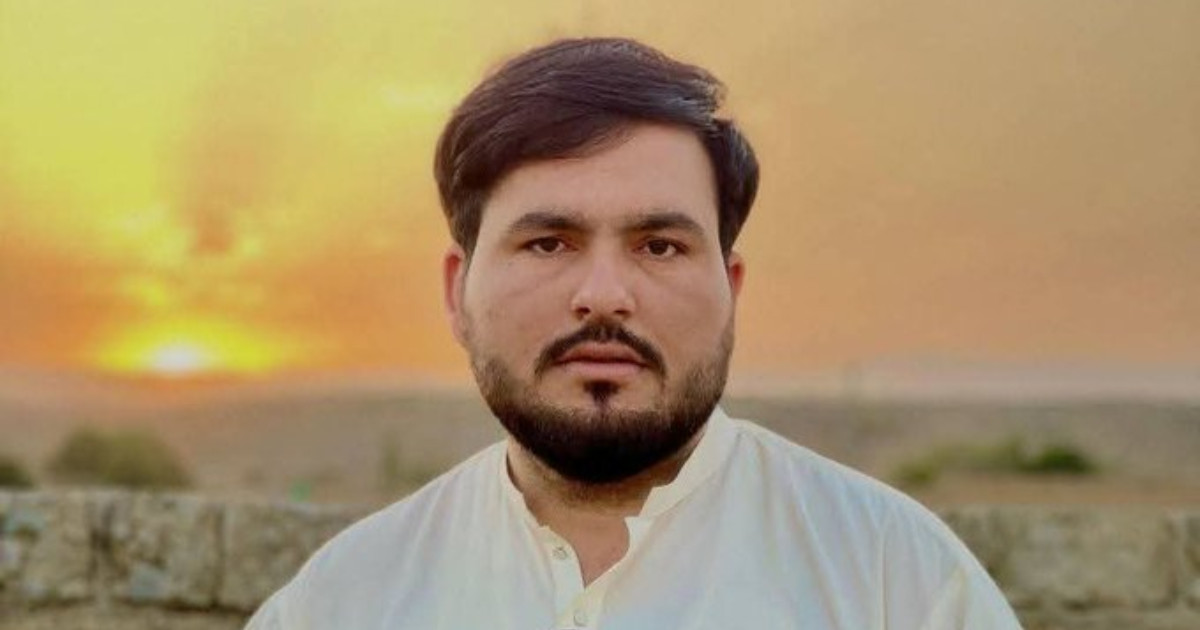
Razi Tahir arrest revives debate over PECA powers — The arrest of journalist Razi Tahir under Sections 20 and 26-A of the Prevention of Electronic Crimes Act (PECA) has renewed scrutiny of the expanding use of cybercrime legislation in cases involving journalists. Tahir alleges investigators sought information about a confidential news source and argues that enforcement actions were linked to his reporting.
The case has intensified discussion over source protection, due process, and the legal safeguards available to journalists working in increasingly digital news environments. Media organizations and human rights groups continue to monitor the proceedings closely, viewing the case as another important test of how Pakistan's cybercrime laws are being applied to journalism and public-interest reporting. (Human Rights Council of Pakistan statement, June 23, 2026; public statements by Razi Tahir)
Veteran journalists raise concerns over BYC sentencing — A group of senior Pakistani journalists expressed concern over the sentencing of Dr. Mahrang Baloch and Sibghatullah Shah Jee, urging that questions surrounding legal representation and procedural fairness receive thorough judicial review.
While the case extends beyond journalism itself, the intervention reflects the willingness of veteran media professionals to speak publicly on issues involving due process, transparency, and confidence in judicial institutions. Their statement illustrates the broader role journalists continue to play in debates concerning civil liberties and the rule of law in Pakistan. (Veteran journalists' statement, June 24, 2026)
Press freedom and journalist safety
Journalist attacked after reporting on alleged construction irregularities — Freedom Network has condemned an alleged assassination attempt on journalist Hidayatullah Khan in Bannu after he reported on alleged poor-quality construction linked to the Bannu-Miranshah Road project. Khan, who also serves as provincial general secretary of the Regional Union of Journalists Khyber Pakhtunkhwa, survived the attack, which has renewed concerns about the risks journalists face while reporting on corruption and public-interest issues.
Media rights organizations have called for a transparent investigation and greater protection for journalists covering governance, development, and accountability. The incident reinforces longstanding concerns that reporters working outside major urban centers remain particularly vulnerable to violence and intimidation. (Freedom Network statement, June 22, 2026)
Family of journalist Imtiaz Chandio targeted in armed attack — More than 10 armed men reportedly attacked the Hyderabad residence of the sister of journalist Imtiaz Chandio, injuring three members of his family. The attack comes amid continuing controversy surrounding a terrorism-related case filed against Chandio in Sindh over his criticism of the Sindh Public Service Commission on social media.
Press freedom advocates are likely to view the incident as part of a broader pattern of intimidation extending beyond journalists themselves to their families. The attack has renewed calls for authorities to ensure accountability and strengthen protections for media professionals facing threats linked to their work. (Khurram Iqbal on X, June 22, 2026; JournalismPakistan, May 10, 2026)
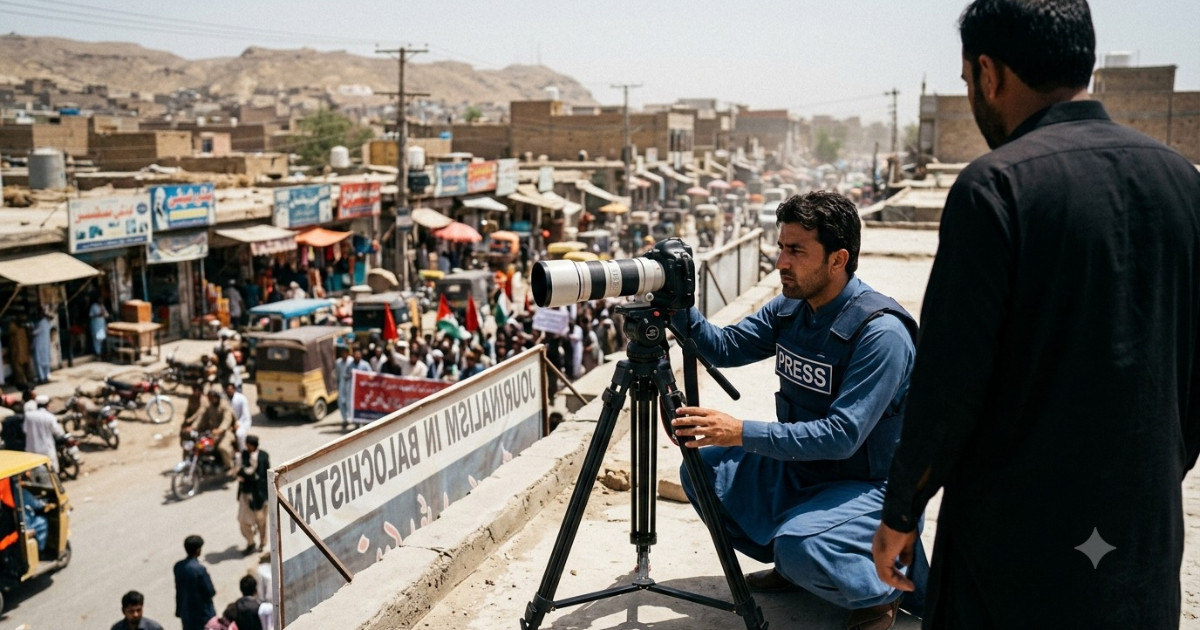
JournalismPakistan report highlights climate of fear in Balochistan media — A JournalismPakistan special report has documented the increasingly difficult environment confronting journalists in Balochistan, where security threats, intimidation, and pressure from multiple stakeholders continue to restrict independent reporting.
Journalists interviewed for the report described weighing personal safety alongside news value when deciding what to publish, while Freedom Network data highlighted persistent violence against media workers and growing self-censorship. The report also featured perspectives from constitutional lawyers and the Balochistan chief minister on legal protections and government support for journalists, offering a comprehensive look at one of Pakistan's most challenging reporting environments. (JournalismPakistan, June 29, 2026)
Kenya court ruling keeps Arshad Sharif accountability debate alive — Kenya's Supreme Court has ruled that the killing of Pakistani journalist Arshad Sharif by police constituted an unlawful violation of his right to life. However, according to Sharif's widow, Javeria Siddique, the court did not order criminal prosecutions or an official apology, and no arrests have been made.
The ruling has renewed attention on one of the most significant cross-border journalist safety cases involving Pakistan and underscores the continuing challenges of achieving accountability in attacks on journalists beyond national jurisdictions. The decision is expected to remain a point of reference in discussions on justice, press freedom, and the protection of journalists worldwide. (JournalismPakistan; Javeria Siddique on X, July 3, 2026)
Court reporters describe growing legal, physical, and editorial pressures — A JournalismPakistan special report has found that court reporters believe legal restrictions, security concerns, courtroom access limitations, and increasing editorial caution are making one of journalism's most demanding beats even more difficult.
Based on interviews with court reporters and media stakeholders, the report examines the impact of PECA, reporting restrictions, physical safety concerns, and newsroom self-censorship on coverage of Pakistan's judiciary. It also illustrates how legal reporting is becoming increasingly complex as journalists balance public interest with evolving legal and institutional constraints. (JournalismPakistan, July 3, 2026)
Broadcast, regulation, and policy
Tarar challenges TRT World's terminology in Karachi attack coverage — Information Minister Ataullah Tarar publicly criticized TRT World for describing those responsible for the June 27 Karachi Rangers attack as "militants" rather than "terrorists," arguing that the terminology failed to reflect the nature of the incident.
The remarks have highlighted the recurring tension between government expectations and the editorial policies of international news organizations, many of which reserve the term "terrorist" for attributed quotations or official statements. The debate is also relevant to Pakistani newsrooms, which routinely face similar editorial decisions when covering security-related incidents. (Dawn, June 30, 2026; Reuters, June 27, 2026)
CPJ condemns PEMRA suspension of Geo News — The Committee to Protect Journalists (CPJ) has condemned PEMRA's decision to suspend Geo News, describing the move as a serious escalation in state interference with the media.
CPJ said the action raises concerns about editorial independence and called on Pakistani authorities to ensure that regulatory measures do not undermine press freedom. The organization's intervention has added an international dimension to the debate surrounding media regulation in Pakistan and is likely to increase scrutiny of future regulatory actions affecting broadcasters. (CPJ, July 3, 2026)
Digital media and social platforms
Survey finds support for influencer tax with protections for small creators — A nationwide survey conducted by the Press Network of Pakistan found broad public support for bringing social media influencers into Pakistan's tax framework while recommending exemptions and incentives for smaller content creators.
The findings suggest growing acceptance of formalizing the country's digital economy, but also reflect concerns that excessive taxation could discourage entrepreneurship and innovation among emerging creators. As digital platforms become increasingly important to Pakistan's media ecosystem, policymakers are likely to face the challenge of balancing revenue generation with continued growth in the online content economy. (Press Network of Pakistan, June 27, 2026)
Media business and sustainability
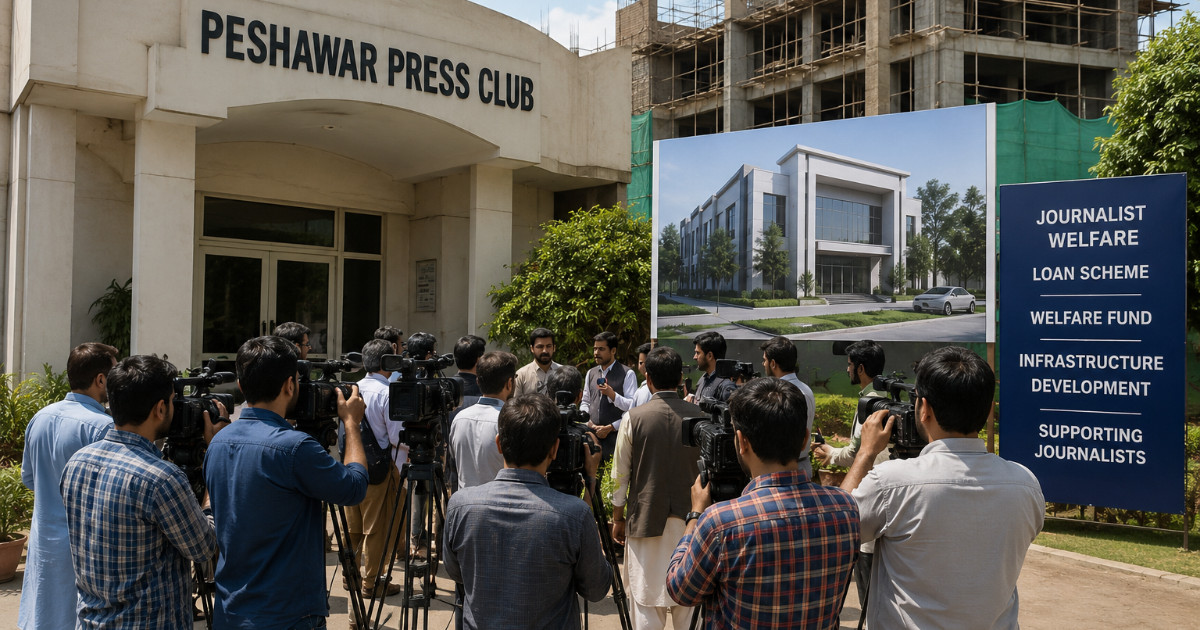
KP unveils journalist welfare package — The Khyber Pakhtunkhwa government has announced a comprehensive package of financial and institutional support for journalists, including interest-free loans of up to PKR 10 million, funding for press club infrastructure, rehabilitation of district press clubs, and expansion of the provincial journalists' welfare endowment fund.
The package also includes measures aimed at ensuring the timely payment of government advertising dues and facilitating professional study tours for journalists. If fully implemented, the initiative could provide meaningful support to media workers and institutions facing financial pressures while strengthening journalism infrastructure across the province. The financial allocations were summarized by Freedom Network, and JournalismPakistan was unable to independently verify the figures through an official government notification at the time of publication. (Freedom Network Facebook, July 1, 2026)
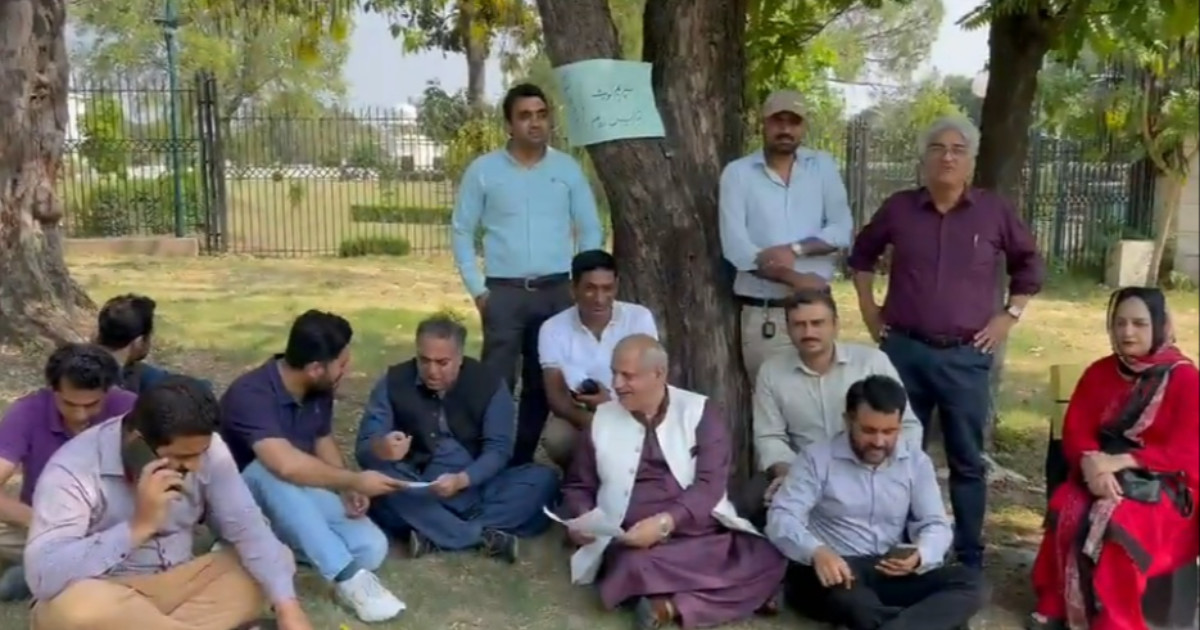
Aaj News salary dispute disrupts newsroom operations — Employees of Aaj News staged a strike after alleging they had not received salaries for three consecutive months, forcing the cancellation of the channel's scheduled 3 p.m. news bulletin.
The protest also drew attention to claims of unpaid gratuity and other legal dues owed to former employees affected by downsizing. The dispute highlights the continuing financial challenges confronting Pakistan's television industry, where delayed salaries, staff reductions, and uncertain revenue streams remain persistent concerns affecting newsroom morale and operational stability. (Material circulated by protesting employees, July 1, 2026)
Media ethics and professional standards
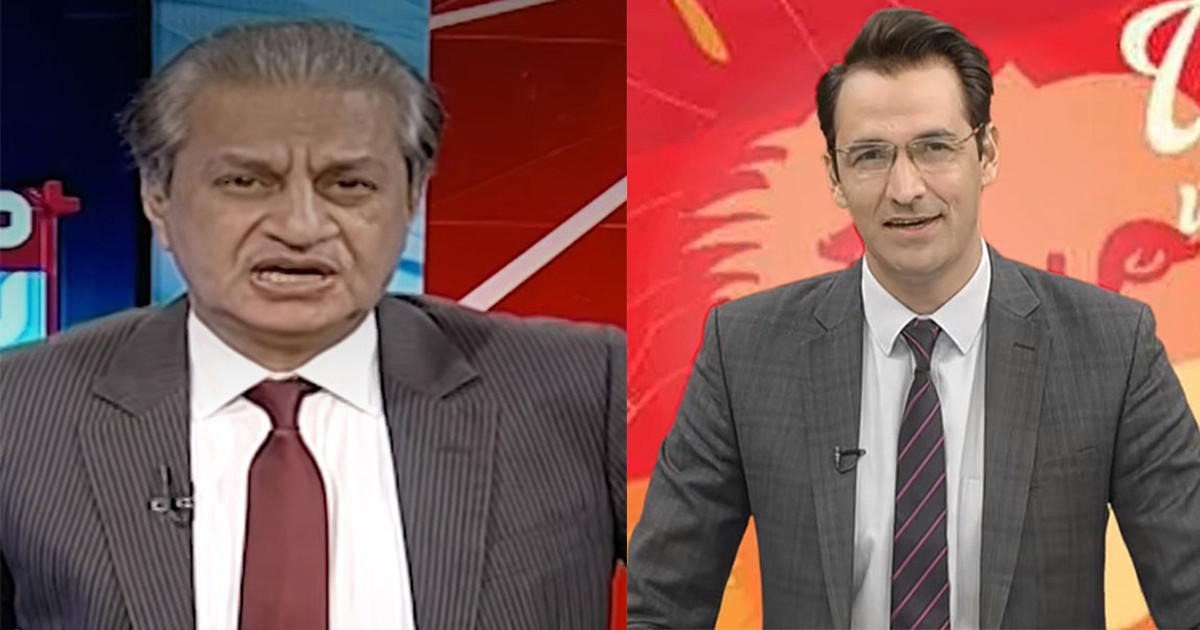
Journalists' social media clash sparks debate over professional boundaries — A public exchange on X between journalists Absar Alam and Syed Samar Abbas, following a Samaa TV discussion on Kashmiri identity and political representation in Azad Jammu and Kashmir, reignited debate over journalists' conduct on social media.
Although the disagreement centered on political and historical issues, it also prompted wider discussion about professional ethics, impartiality, and the extent to which journalists should actively participate in the public controversies they report on. The episode illustrates how social media continues to blur the boundaries between personal expression and professional responsibility in modern journalism. (JournalismPakistan, June 24, 2026)
AI and the future of journalism
Global AI copyright battle offers lessons for Pakistani publishers — The widening divide between international publishers pursuing copyright litigation against artificial intelligence companies and those choosing licensing agreements offers important lessons for Pakistan's media industry.
As generative AI becomes increasingly integrated into news production, search, and content distribution, Pakistani publishers are likely to face similar strategic decisions regarding copyright protection, content licensing, newsroom innovation, and new revenue models. The evolving global landscape underscores the need for local media organizations to develop clear AI strategies that balance technological adoption with the long-term sustainability of original journalism. (Bloomberg Law, June 25, 2026; Reuters, May 28, 2026)
Editorial insight
Trend of the fortnight: Pressure on journalism from every direction
The past two weeks illustrate that Pakistan's media industry is navigating an increasingly complex environment where challenges are emerging on multiple fronts simultaneously.
The suspension of Geo News highlighted the continuing influence of broadcast regulation and the importance of editorial compliance when reporting on sensitive issues. At the same time, the arrest of journalist Razi Tahir under PECA and the attack on journalist Hidayatullah Khan underscored the legal and physical risks that continue to confront media professionals.
Economic realities also remained firmly in focus. The salary dispute at Aaj News served as another reminder that newsroom sustainability is becoming as significant a challenge as press freedom itself. While the Khyber Pakhtunkhwa government's welfare package offered a measure of optimism, the long-term financial health of Pakistan's media industry remains uncertain.
Meanwhile, discussions over journalists' conduct on social media and the growing global debate surrounding artificial intelligence and copyright demonstrated that the profession is also adapting to rapid technological and ethical change.
Taken together, these developments suggest that Pakistan's media sector is no longer defined by a single challenge. Instead, journalists and media organizations are increasingly required to navigate legal scrutiny, regulatory oversight, physical security risks, financial pressures, evolving professional standards, and technological disruption, all at the same time.
Numbers that mattered
15 — Days Geo News was suspended by PEMRA following the broadcast of Safar-e-Ishq.
10 million PKR — Maximum interest-free loan announced under the Khyber Pakhtunkhwa government's journalist welfare package.
3 — Consecutive months of unpaid salaries that Aaj News employees said prompted their newsroom strike.
10+ — Armed men reportedly involved in the attack on the family of journalist Imtiaz Chandio.
1 — Supreme Court ruling in Kenya declaring the killing of journalist Arshad Sharif an unlawful violation of his right to life.
What to watch in the days ahead
1. Geo News suspension
Attention will remain focused on the implementation of PEMRA's suspension order, the outcome of the regulator's inquiry, and any legal or regulatory developments arising from the case. The proceedings are likely to influence future discussions on editorial oversight and broadcast regulation.
2. Razi Tahir case
Media organizations and digital rights advocates will continue monitoring developments in the proceedings against journalist Razi Tahir, particularly any implications for PECA enforcement, source protection, and the treatment of journalists under cybercrime legislation.
3. Journalist safety investigations
Press freedom groups are expected to closely follow investigations into the attack on Hidayatullah Khan and the armed assault on the family of Imtiaz Chandio, with continued calls for accountability and stronger protections for journalists.
4. Aaj News labor dispute
Observers will be watching whether management and employees reach an agreement over unpaid salaries and outstanding employment benefits, a case that reflects wider concerns about financial sustainability within Pakistan's television industry.
5. AI and copyright
Pakistani publishers are expected to keep a close watch on international developments surrounding AI licensing and copyright litigation as the global debate increasingly shapes newsroom strategy, content protection, and future revenue models.
Pakistan Media Monitor is a biweekly publication of JournalismPakistan.com tracking developments in journalism, press freedom, broadcasting, digital media, regulation, media ethics, artificial intelligence, and media business across Pakistan.
ATTRIBUTION: Compiled by JournalismPakistan
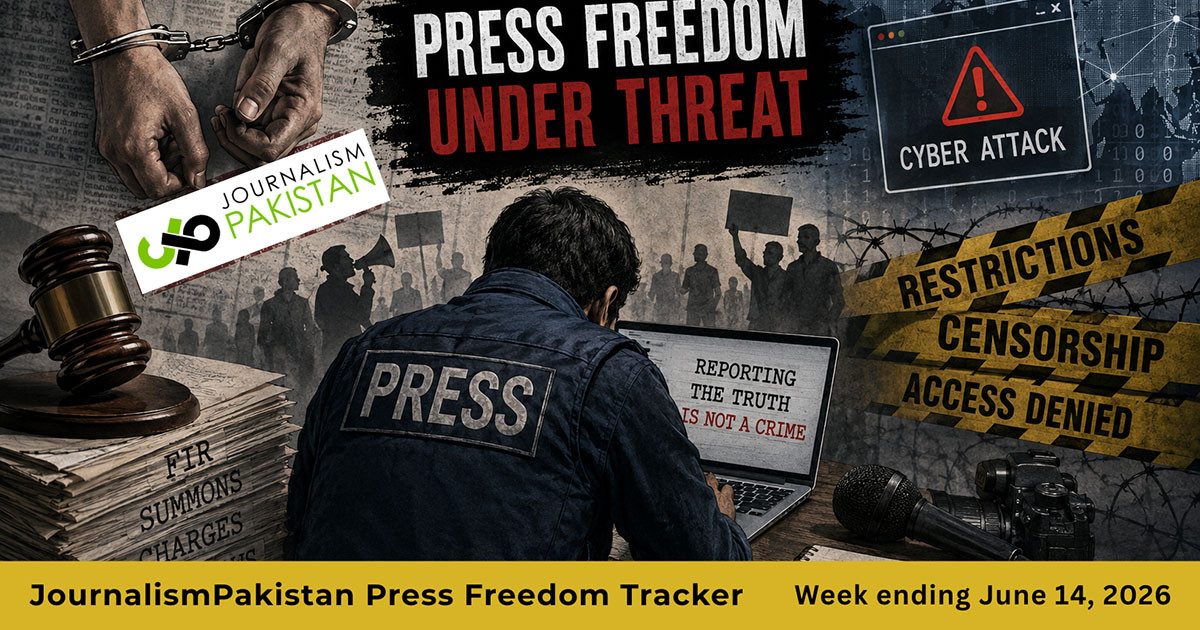
PHOTO: AI-generated; for illustrative purposes.
Key Points
- A major television channel was suspended after a controversial documentary, prompting regulatory debate.
- A journalist was arrested under PECA, highlighting continued use of cybercrime laws against media personnel.
- Attacks on media workers and their families raised safety and newsroom security concerns.
- Newsrooms faced ongoing financial pressures, affecting staffing and operational capacity.
- Convergence of broadcast, digital platforms and AI sparked discussions on editorial independence and copyright.
Key Questions & Answers
Why was Geo News suspended?
Regulators suspended Geo News following a controversial documentary, citing breaches of broadcast rules; debates continue over the proportionality and process of the suspension.
What is PECA and how was it used?
PECA is Pakistan's cybercrime law; during the period a journalist was arrested under its provisions, underscoring concerns about its application to journalistic work and online expression.
Are journalists facing physical threats?
Yes, several attacks and threats affecting journalists and their families were reported, raising alarm over safety and prompting calls for better protection and accountability.
How is AI affecting Pakistan's media landscape?
AI and digital platforms are reshaping content production and distribution, bringing new editorial, ethical and copyright challenges that newsrooms and regulators are beginning to address.
Relevant Topics
Ask AI: Understand this story your way
AI EnabledDig deeper, ask anything — get instant context, background, and clarity.
Disclaimer: This feature is powered by AI and is intended to help readers explore and understand news stories more easily. While we strive for accuracy, AI-generated responses may occasionally be incomplete or reflect limitations in the underlying model. This feature does not represent the editorial views of JournalismPakistan. For our full, verified reporting, please refer to the original article.