.png)
Launching five international news channels: The leadership lessons they never teach you
JournalismPakistan.com | Published: 5 July 2026 | Shafaat Yar Khan
Join our WhatsApp channel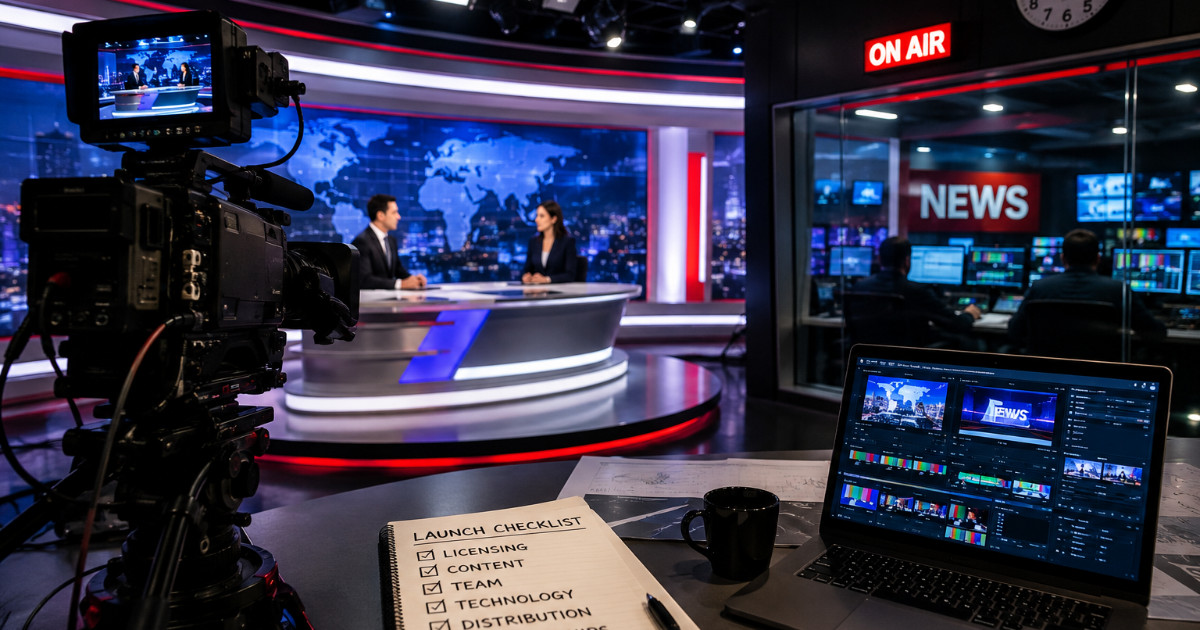
With two decades in international broadcasting and five launches, the author says success comes from leadership, diplomacy and business transformation over technology, emphasizing stakeholder deals, regulatory navigation and multicultural team management.Summary
Most people assume launching a television channel is about building modern studios, installing sophisticated technology, and producing compelling content. Those elements are essential, but after more than two decades in international broadcasting and contributing to the launch of five television channels across Europe and the Middle East, I have learned that they are not what ultimately determines success.
Launching a television channel is fundamentally a leadership, diplomatic, and business-transformation exercise, not simply a broadcasting project.
Beyond cameras and studios
Long before the first program reaches viewers, months of planning have already taken place. Broadcasting licenses must be negotiated, regulatory approvals secured, distribution agreements finalized, satellite capacity arranged, editorial frameworks developed, budgets approved, commercial partnerships established, technology infrastructure commissioned, operational teams recruited and trained, and contingency plans prepared.
Every one of these activities involves multiple stakeholders with competing priorities, demanding deadlines, and significant commercial investment.
Looking back, the greatest lesson I learned is that technology never launches a successful channel; people do.
Leadership makes the difference
Success depends on leadership. It depends on building trust with governments and regulators, negotiating mutually beneficial agreements with international partners, managing multicultural teams, balancing editorial independence with regulatory obligations, and making difficult decisions when the stakes are high and certainty is impossible.
One lesson became clear early in my career: there is no universal blueprint for launching an international broadcaster. Every country presents a unique combination of political realities, regulatory frameworks, commercial environments, and cultural expectations.
Launching a television channel in Bosnia and Herzegovina, a country rebuilding its media landscape after years of conflict, required navigating a complex regulatory environment, working with multiple government institutions, and operating within a politically sensitive media ecosystem. Success depended not only on technical planning but also on understanding the country's history, governance structures, and public expectations.
Launching a broadcaster in Türkiye presented a completely different set of challenges. The regulatory framework, licensing requirements, commercial market, and audience expectations bore little resemblance to those in Europe. Previous experience provided useful guidance, but success depended on adapting to local realities rather than applying a standard formula.
The realities of cross-border broadcasting
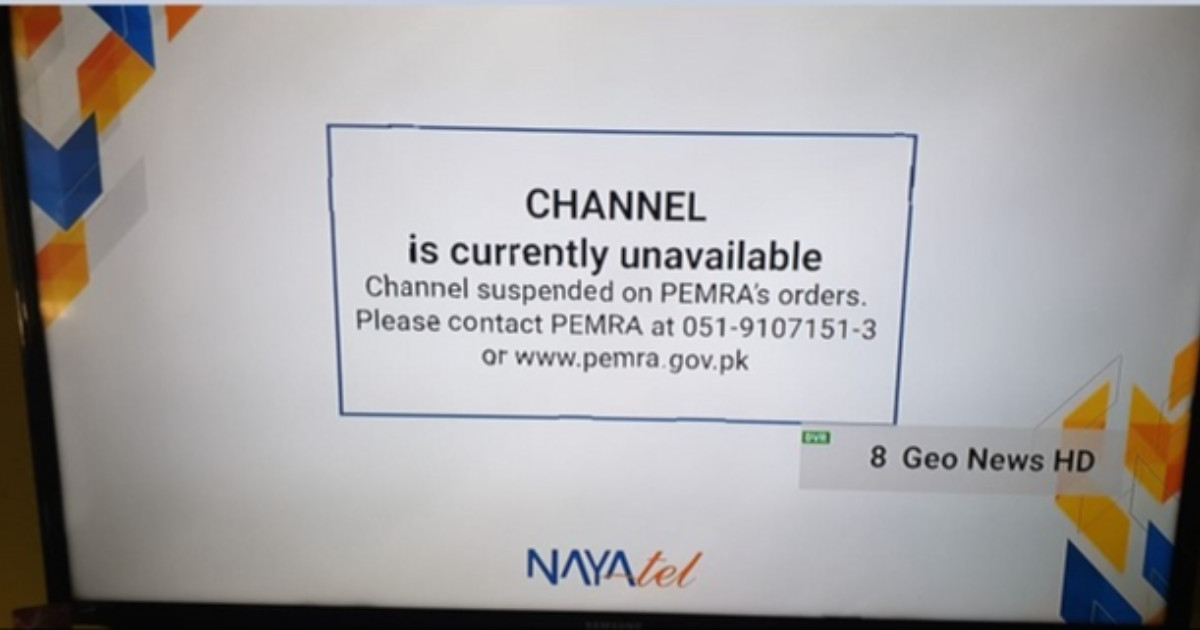
One of the most revealing experiences came during the launch of a Pakistani television channel from Dubai.
Many assume that operating from another country automatically guarantees complete editorial independence. My experience taught me otherwise.
An offshore operation may provide operational flexibility, but it does not eliminate the political, regulatory, and commercial realities of serving audiences in another jurisdiction. Governments have legitimate regulatory mechanisms that can significantly influence broadcasters, including licensing arrangements, satellite distribution, accreditation, advertising, correspondent access, and other regulatory approvals.
Successfully navigating these realities requires diplomacy, preparation, and a thorough understanding of the political and regulatory landscape.
Closely connected to licensing is another critical challenge: developing an editorial policy.
An effective editorial framework must satisfy regulatory obligations while protecting journalistic integrity and supporting the organization's long-term strategic objectives.
Trust is a strategic asset
Throughout my career, I have found that trust is often the most valuable asset an organization can build.
When trust exists between governments, regulators, partners, and broadcasters, problems are resolved more quickly, negotiations become more constructive, and opportunities emerge that might otherwise remain out of reach. Conversely, even relatively straightforward projects can become unnecessarily complicated when trust is absent.
International broadcasting also offers a unique opportunity to learn from different cultures. Leadership in one country may require consensus-building, while another demands rapid decision-making. Successful media executives recognize that cultural intelligence is every bit as important as commercial expertise or technical knowledge.
Launching is only the beginning
Putting a channel on air is not the finish line; it is the starting point.
The real challenge begins once broadcasting starts. Can the channel attract audiences in an increasingly fragmented media landscape? Can it diversify revenue beyond traditional advertising? Can it adapt to digital transformation, artificial intelligence, and rapidly changing audience behavior? Can leadership continue evolving while preserving editorial credibility and operational excellence?
These questions have become even more important as the global media industry undergoes one of the most profound periods of transformation in its history.
Studios can be built. Technology can be purchased. Content can be commissioned.
But trust, leadership, strategic relationships, and the ability to adapt cannot be bought. They must be earned.
In my experience, those qualities ultimately determine whether a television channel merely launches or goes on to achieve lasting success.
ABOUT THE WRITER:Shafaat Yar Khan is Head of Global Media Operations and a former Al Jazeera executive with more than two decades of experience in international broadcasting. He has played a leadership role in launching five television channels across Europe and the Middle East, specializing in media operations, strategic partnerships, regulatory negotiations, and global broadcast development. He is also a special correspondent for JournalismPakistan.com in Sydney.
PHOTO: AI-generated; for illustrative purposes.
Key Points
- Leadership, trust and diplomacy are more decisive than technology in launching a channel.
- Negotiating licences, regulatory approvals and distribution deals is central to early planning.
- Commercial partnerships and satellite/distribution arrangements require sustained stakeholder engagement.
- Managing multicultural editorial teams demands balancing independence with regulatory obligations.
- Recruiting, training operational teams and contingency planning underpin long‑term resilience.
Key Questions & Answers
What is the single biggest factor in launching a successful news channel?
Leadership and the ability to build trust with regulators, partners and teams are the most important factors, outweighing technical capabilities.
How early do regulatory and commercial issues need attention?
Months of planning are required before broadcasting begins: licences, approvals, distribution and commercial agreements must be secured well in advance.
How should multicultural teams be managed?
Effective management involves clear editorial frameworks, cultural sensitivity, strong communication and training, plus mechanisms to protect editorial independence while meeting legal obligations.
Why is contingency planning emphasized?
Broadcasting involves many moving parts and commercial risks; contingency plans ensure operational continuity in the face of technical, regulatory or political challenges.
Relevant Topics
Ask AI: Understand this story your way
AI EnabledDig deeper, ask anything — get instant context, background, and clarity.
Disclaimer: This feature is powered by AI and is intended to help readers explore and understand news stories more easily. While we strive for accuracy, AI-generated responses may occasionally be incomplete or reflect limitations in the underlying model. This feature does not represent the editorial views of JournalismPakistan. For our full, verified reporting, please refer to the original article.