
Supreme Court shutters press room amid backlash
JournalismPakistan.com | Published: 15 June 2026 | Daud Malik
Join our WhatsApp channel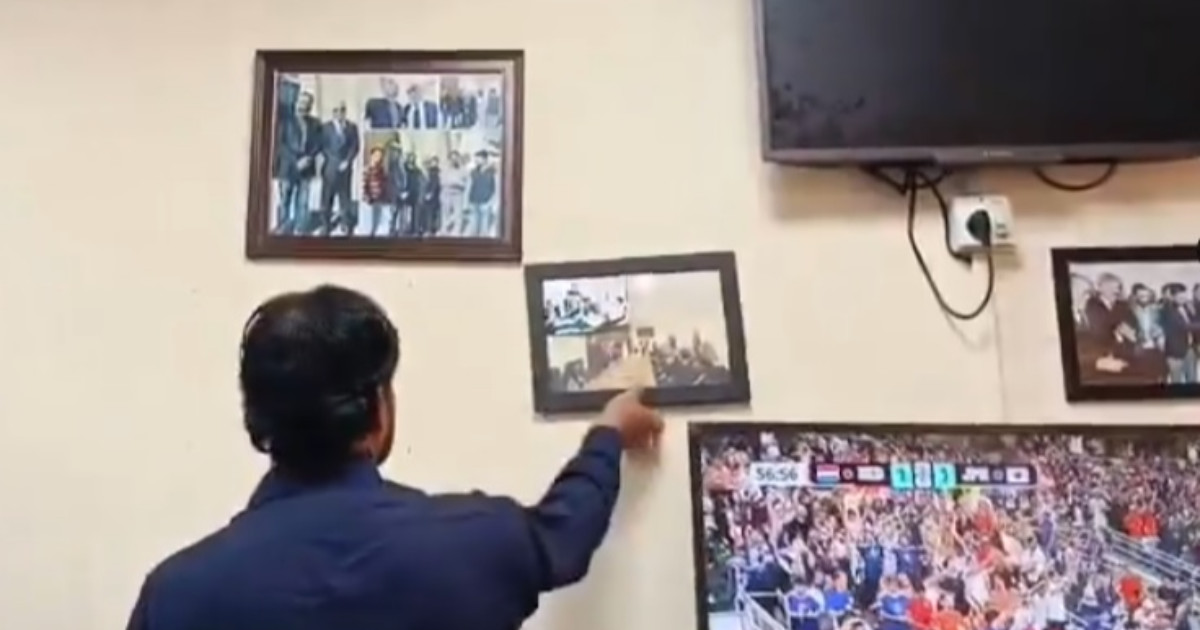
Journalists condemned new restrictions at Pakistan's Supreme Court after its longtime press room was dismantled and an order limited media access after 2 p.m., prompting the press body to urge Chief Justice Yahya Afridi to reverse move to protect transparency.Summary
ISLAMABAD — Journalists covering Pakistan’s highest court have condemned new restrictions on media access to the Supreme Court building after the longstanding press room used by court reporters was vacated and dismantled, prompting concerns about transparency and access to judicial proceedings.
The controversy emerged on Monday when members of the Press Association of the Supreme Court reported that an official order had been issued requiring journalists to be evicted from the press room and restricting media access to the court premises after 2 p.m. The development triggered criticism from reporters who regularly cover the judicial beat and rely on access to the court complex for their work.
According to journalists covering the Supreme Court, reporters who arrived on Monday for routine coverage were not granted their usual access. They said they were required to exchange their official media or channel identification cards and mobile phones for visitor passes before entering the premises.
Media association urges reconsideration
In an open letter addressed to Chief Justice Yahya Afridi, Press Association of the Supreme Court President Imran Waseem urged the court to reconsider the decision. He argued that the press room carried historical significance and symbolized the Supreme Court’s commitment to press freedom and the public’s right to information.
The letter noted that, over the past three decades, successive chief justices and judges had engaged with journalists and issued decisions that strengthened media access and public confidence in the judiciary. It warned that restrictions imposed during the current tenure could be viewed as a setback for press freedom and judicial openness.
Journalists describe unprecedented access limits
Videos shared on social media showed the press room being dismantled and repainted. Journalists reported that only individuals carrying Press Information Department or Press Club credentials would be permitted access during limited hours and that the dedicated media space had been removed. Imran Waseem posted footage showing the former press room being whitewashed, stating that the Press Association’s presence inside the court had effectively been erased.
Several journalists publicly criticized the move. Reporter Ehtsham Kiani said court reporters had effectively been removed from their traditional workspace and would now need visitor passes similar to ordinary litigants. Other journalists, including Saqib Bashir, Abrar Astori, Sabeen Shahbaz, Adeel Sarfraz, Usman Rana, and Maryam Nawaz Khan, described the development as damaging to media access and transparency at a key public institution.
The Press Association’s letter also expressed concern over reports that police personnel had entered the press room to convey administrative instructions from the Registrar’s Office, describing the step as unprecedented in the association’s experience.
WHY THIS MATTERS: Access to courts is a cornerstone of transparent journalism and public accountability. Developments affecting judicial reporting can influence how quickly and accurately journalists obtain information on major constitutional, legal, and public-interest cases. For media organizations, the issue highlights the continuing importance of institutional access in an increasingly restricted information environment.
ATTRIBUTION: Reporting by JournalismPakistan, based on publicly available statements and posts by members of the Press Association of the Supreme Court and journalists on June 15, 2026.
PHOTO: A screenshot from a video posted on X by journalist Maryam Nawaz Khan shows photo frames being removed from the press room at the Supreme Court of Pakistan.
Key Points
- The longstanding Supreme Court press room was vacated and dismantled.
- An order reportedly limits media access to court premises after 2 p.m.
- Court reporters said they were required to exchange official media credentials and mobile phones for visitor passes.
- The Press Association of the Supreme Court urged Chief Justice Yahya Afridi to reconsider the restrictions.
- Journalists and media advocates warned the measures could undermine transparency and access to judicial proceedings.
Key Questions & Answers
Why was the press room vacated?
Members of the Press Association reported an official order evicting journalists; videos circulated showing the press room being dismantled and repainted.
What access restrictions were introduced?
Journalists reported that media access to the court premises would be restricted after 2 p.m., according to the order relayed by reporters.
Who has raised objections to the changes?
The Press Association of the Supreme Court and journalists covering the court have condemned the action and called for reversal.
What are the main concerns?
Reporters say the changes risk reducing judicial transparency, limiting the public's right to information and harming press freedom.
Ask AI: Understand this story your way
AI EnabledDig deeper, ask anything — get instant context, background, and clarity.
Disclaimer: This feature is powered by AI and is intended to help readers explore and understand news stories more easily. While we strive for accuracy, AI-generated responses may occasionally be incomplete or reflect limitations in the underlying model. This feature does not represent the editorial views of JournalismPakistan. For our full, verified reporting, please refer to the original article.