.png)
Supreme Court reporters set up open-air press room
JournalismPakistan.com | Published: 17 June 2026 | JP Staff Report
Join our WhatsApp channel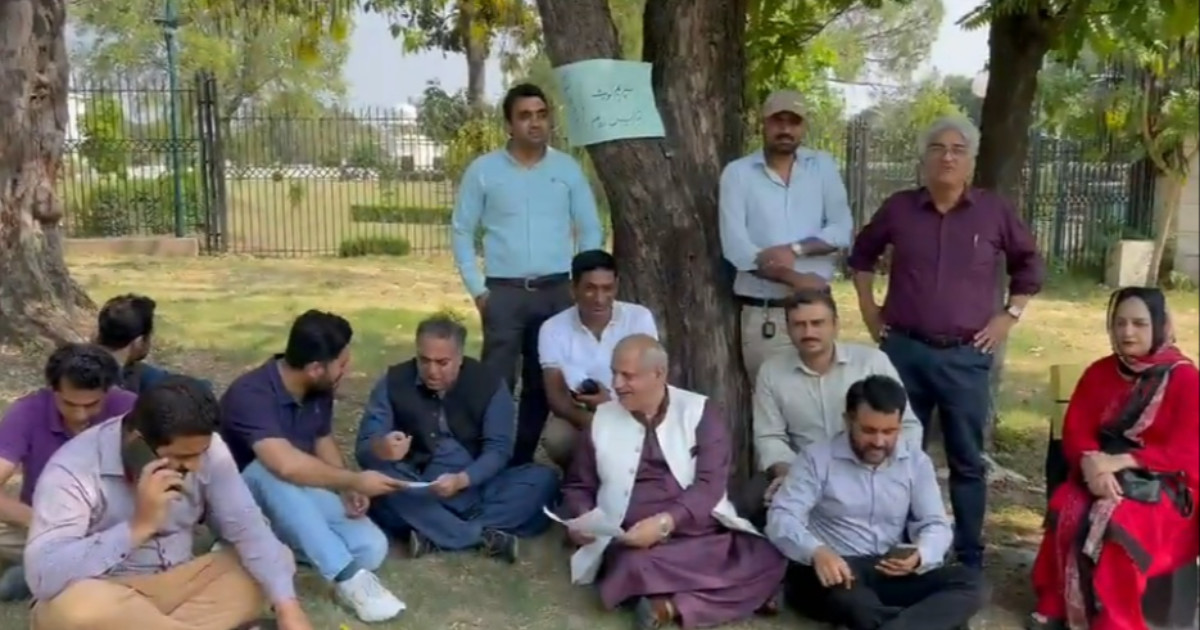
Reporters covering the Supreme Court set up an open-air press room on a green belt to protest eviction from a long-used indoor media workspace and new restrictions on access after 2 p.m.; the Press Association and RIUJ demanded immediate restoration of access and facilities.Summary
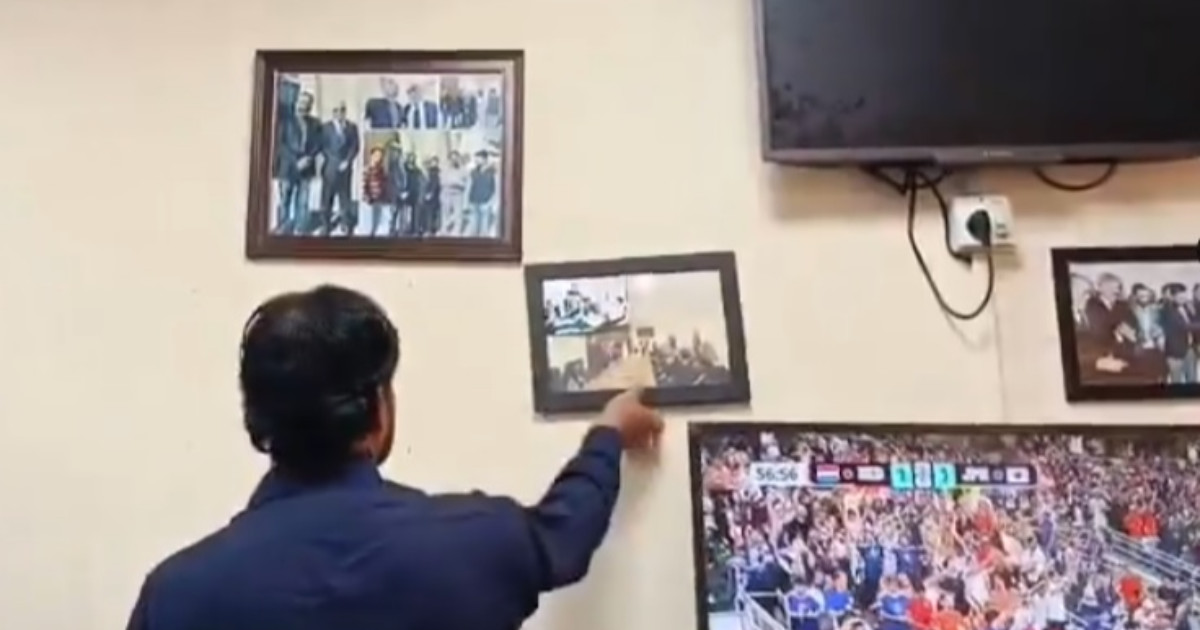
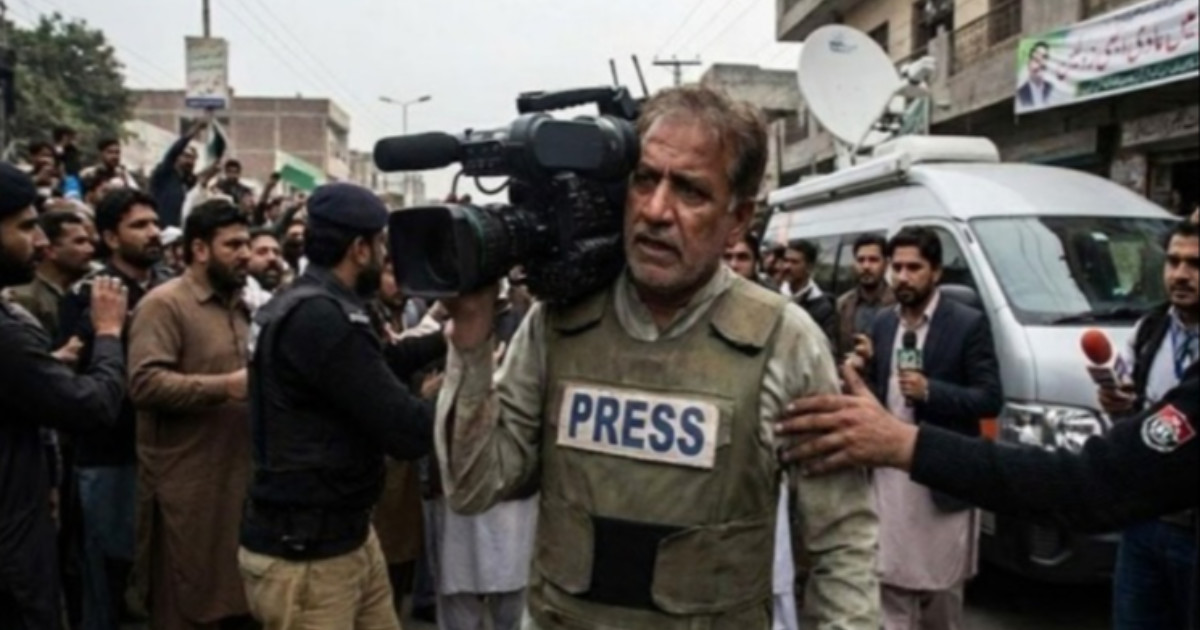
ISLAMABAD — Journalists covering Pakistan’s Supreme Court on Wednesday established an open-air press room on a green belt outside the apex court to protest their eviction from a dedicated media workspace inside the court building and new restrictions on press access.
The symbolic protest was organized by the Press Association of the Supreme Court after court reporters were ordered to vacate their long-used press room on June 15. The journalists also suggested that the Chief Justice of Pakistan inaugurate the outdoor 'facility', underscoring their demand for the restoration of media access and working arrangements.
Journalists challenge access restrictions
The dispute began when Supreme Court reporters said they were informed of an official decision requiring the evacuation of the press room and imposing restrictions on media access to court premises after 2 p.m. The move immediately raised concerns among journalists who regularly cover judicial proceedings and depend on access to the court complex for timely reporting.
According to reporters assigned to the judicial beat, journalists arriving at the Supreme Court for routine coverage were no longer granted their usual access. They said they were required to surrender official media or channel identification cards and mobile phones in exchange for visitor passes before entering the premises.
RIUJ voices support for court reporters
The Rawalpindi-Islamabad Union of Journalists (RIUJ) strongly criticized the decision, describing it as detrimental to press freedom, transparency, and the public's right to information. The union called on the Chief Justice to take immediate notice of the issue and ensure that journalists are provided dignified and effective access to the country's highest court.
RIUJ President Tariq Usmani said limiting journalists' access to such a key national institution hampers professional reporting and weakens transparency. He urged authorities to resolve the difficulties faced by court reporters and create conditions that allow journalists to perform their duties effectively.
General Secretary Rizwan Ghilzai said journalists serve as an essential link between state institutions and the public, adding that the eviction of reporters from the Supreme Court had created serious concern within the media community. He called for a review of the decision and meaningful engagement with journalists.
Calls for the restoration of facilities
In a joint statement, RIUJ Vice Presidents Muhammad Faisal Awan and Javeria Siddique said the judiciary and the media are both fundamental democratic institutions. They argued that restricting journalists' access to court proceedings runs counter to the principles of transparency and accountability and pledged continued advocacy for press freedom.
RIUJ Information Secretary Mudassir Ilyas Kayani noted that Supreme Court reporters have for years covered major constitutional cases and judicial proceedings. Rather than reducing access, he said, facilities should be improved to support accurate and timely public information.
Joint Secretaries Abdul Waheed Janjua and Khalid Malik also called for the immediate restoration of journalists' previous working environment and facilities, saying reporters should be able to perform their professional responsibilities without unnecessary obstacles.
WHY THIS MATTERS: Access to courts is a critical component of transparent judicial reporting and public accountability. Restrictions on journalists' working conditions and access to judicial institutions can affect the flow of verified information to the public, particularly during proceedings of national importance. The dispute also highlights broader debates about media access to state institutions and the balance between security protocols and press freedom.
ATTRIBUTION: Reporting by JournalismPakistan, based on publicly available statements from the Press Association of the Supreme Court and the Rawalpindi-Islamabad Union of Journalists on June 17, 2026.
Key Points
- Reporters established an open-air press room on a green belt outside the Supreme Court in protest.
- They were ordered to vacate a long-used indoor media workspace on June 15.
- New restrictions include limited access after 2 p.m. and surrendering media IDs and phones for visitor passes.
- The Press Association suggested the Chief Justice inaugurate the outdoor facility.
- The Rawalpindi-Islamabad Union of Journalists (RIUJ) criticized the move and urged the restoration of press access and working arrangements.
Key Questions & Answers
Why did reporters set up an open-air press room?
They staged the protest after being ordered to vacate their long-used indoor media workspace and facing new restrictions on access to the court premises.
Where was the protest held?
The symbolic open-air press room was established on a green belt outside the Supreme Court building in Islamabad.
What new restrictions did journalists report?
Reporters said access was restricted after 2 p.m., and they were asked to surrender media IDs and mobile phones in exchange for visitor passes before entering.
Who has voiced support for the court reporters?
The Press Association of the Supreme Court organized the protest and the Rawalpindi-Islamabad Union of Journalists (RIUJ) criticized the decision and demanded the restoration of media access.
Relevant Topics
Ask AI: Understand this story your way
AI EnabledDig deeper, ask anything — get instant context, background, and clarity.
Disclaimer: This feature is powered by AI and is intended to help readers explore and understand news stories more easily. While we strive for accuracy, AI-generated responses may occasionally be incomplete or reflect limitations in the underlying model. This feature does not represent the editorial views of JournalismPakistan. For our full, verified reporting, please refer to the original article.