
CPJ reviews Gaza journalist casualty database
JournalismPakistan.com | Published: 4 July 2026 | JP Middle East Desk
Join our WhatsApp channel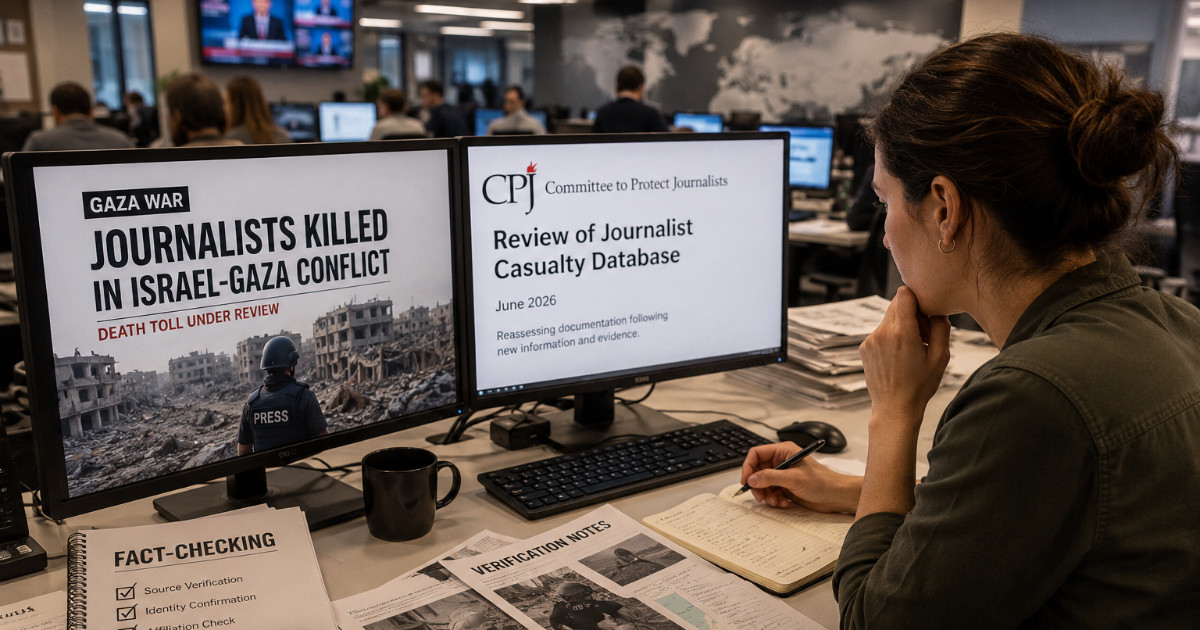
The Committee to Protect Journalists is reviewing entries in its Gaza casualty database after new information questioned the affiliations of some individuals. CAMERA urged news organizations to recheck reporting that used CPJ figures and tighten verification.Summary
WASHINGTON — The Committee to Protect Journalists (CPJ) is reviewing its documentation of journalists killed during the Israel-Gaza war after questions were raised about the affiliations of several individuals included in its casualty database, prompting renewed debate over how news organizations verify information used in conflict reporting.
The review has drawn additional attention after the Committee for Accuracy in Middle East Reporting and Analysis (CAMERA) urged international news organizations to revisit reports that relied on CPJ's casualty figures. CAMERA argued that the reassessment underscores the need for greater scrutiny of datasets widely cited during coverage of the conflict.
Verification standards under scrutiny
CPJ announced in late June that it was conducting a review of its documentation after receiving new information suggesting that some individuals previously identified as journalists had affiliations with Hamas or Palestinian Islamic Jihad. The organization said it was reassessing relevant cases as part of its commitment to maintaining accurate records and would update its documentation where warranted.
Following that announcement, CAMERA called on media organizations to examine reporting that had relied on CPJ's database, arguing that casualty figures used in conflict coverage should be continually reassessed when credible new evidence emerges. The group said accurate identification of journalists is essential to preserving public confidence in reporting on armed conflicts.
For many international newsrooms, CPJ's database has served as one of several reference points for documenting journalist casualties during the war. Media organizations typically combine information from multiple sources, including local press associations, international watchdogs, official statements, and independent reporting, before publishing casualty figures.
Implications for international newsrooms
The latest developments highlight the challenges journalists face when reporting from active conflict zones, where independent verification is often difficult, and information evolves as additional evidence becomes available. News organizations frequently revise reporting when new, credible information changes the factual record.
The episode also illustrates the reputational risks associated with relying on third-party databases without continuous verification. Media ethics experts have long emphasized that casualty figures and the professional status of victims should be treated as developing information, particularly in fast-moving conflicts where access is limited.
Neither CPJ's review nor CAMERA's appeal changes the broader reality that reporting from conflict zones remains exceptionally difficult. Instead, the developments reinforce the importance of transparent sourcing, careful attribution, and timely corrections when new evidence becomes available.
WHY THIS MATTERS: The debate serves as a reminder that even widely respected databases require ongoing verification as new evidence emerges. For journalists and news organizations, the episode reinforces the importance of corroborating third-party information, maintaining transparent sourcing practices, and promptly updating published reporting when the factual record changes.
ATTRIBUTION: Reporting by JournalismPakistan, based on publicly available statements from the Committee to Protect Journalists (June 25, 2026) and CAMERA (July 2, 2026).
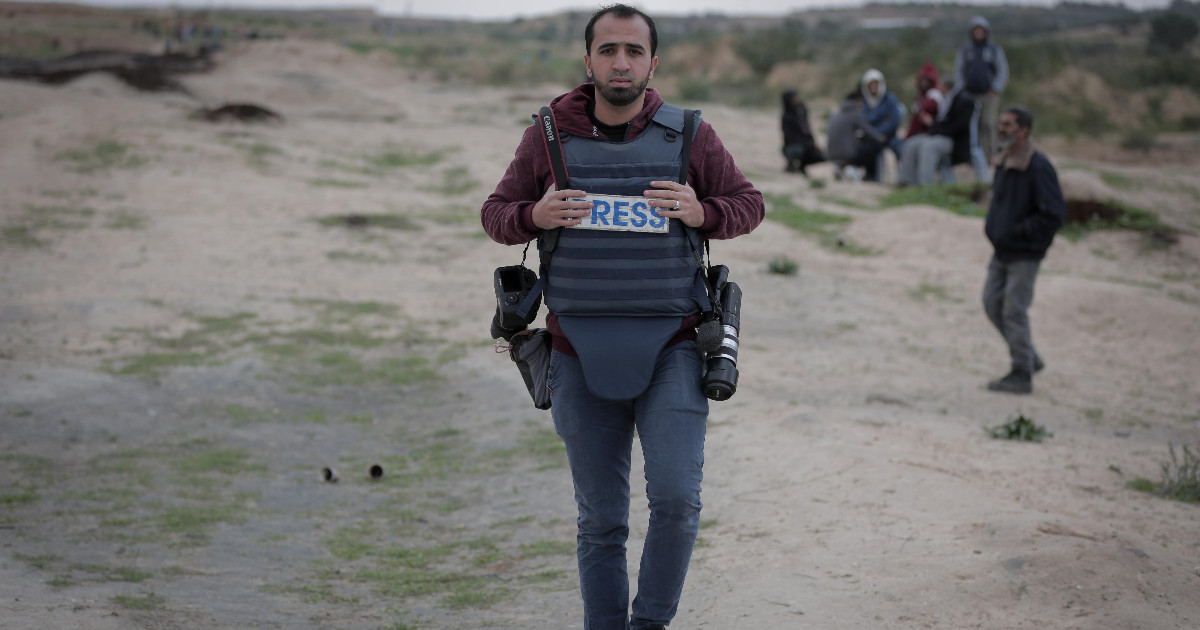
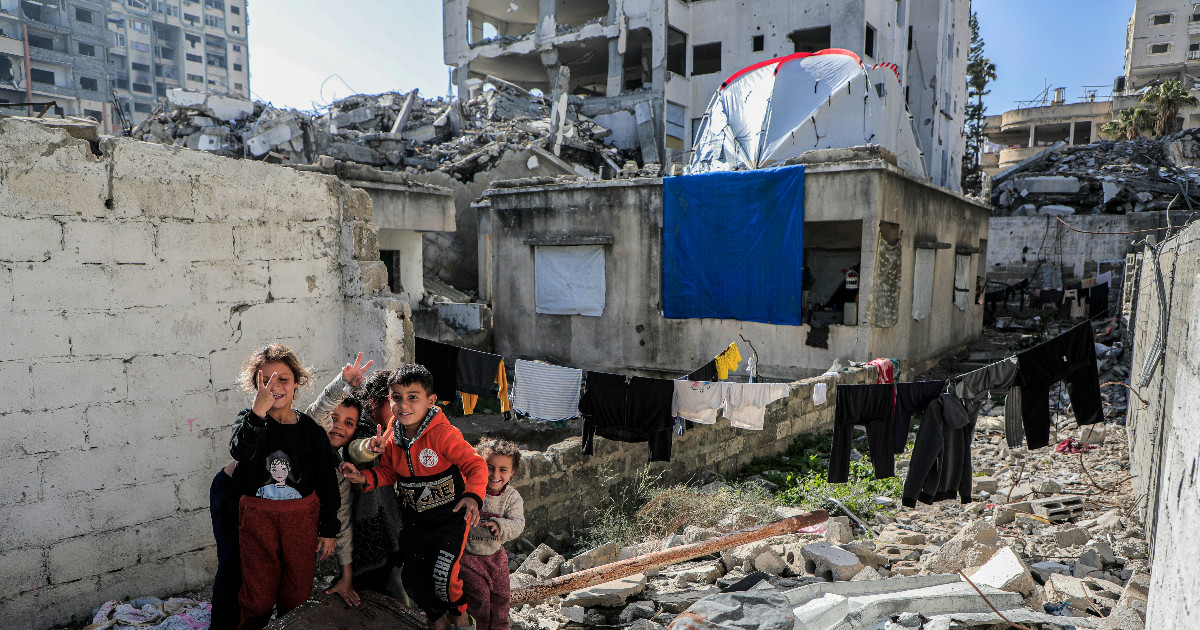
PHOTO: AI-generated; for illustrative purposes only.
Key Points
- CPJ announced a review of its Gaza casualty database after new information raised questions about the affiliations of some listed individuals.
- Allegations include reported links to groups such as Hamas or Palestinian Islamic Jihad, prompting case reassessments.
- CAMERA urged international news organizations to revisit reporting that relied on CPJ figures and datasets.
- The review highlights broader concerns about verification standards in conflict reporting and the need to update records when credible evidence emerges.
- CPJ says it will amend its documentation where warranted to maintain accurate public records of journalists killed.
Key Questions & Answers
Why is CPJ reviewing its Gaza casualty database?
CPJ received new information suggesting some individuals listed as journalists may have had affiliations that warrant reassessment, so it is reviewing relevant cases to ensure accuracy.
What prompted calls from CAMERA to re-examine reports?
CAMERA said the reassessment of some entries in CPJ's database undermines confidence in datasets used in coverage and urged news organizations to recheck reporting that relied on those figures.
How might this affect international news coverage?
Newsrooms that relied on CPJ figures may revisit stories or data-driven claims; the episode underscores the need for ongoing verification and caution when citing casualty databases.
Will CPJ update its records?
CPJ has stated it will update its documentation where warranted after completing its review to maintain accurate records of journalists killed in the conflict.
Relevant Topics
Ask AI: Understand this story your way
AI EnabledDig deeper, ask anything — get instant context, background, and clarity.
Disclaimer: This feature is powered by AI and is intended to help readers explore and understand news stories more easily. While we strive for accuracy, AI-generated responses may occasionally be incomplete or reflect limitations in the underlying model. This feature does not represent the editorial views of JournalismPakistan. For our full, verified reporting, please refer to the original article.