
When journalists become participants: The Absar Alam-Samar Abbas dispute
JournalismPakistan.com | Published: 24 June 2026 | JP Staff Report
Join our WhatsApp channel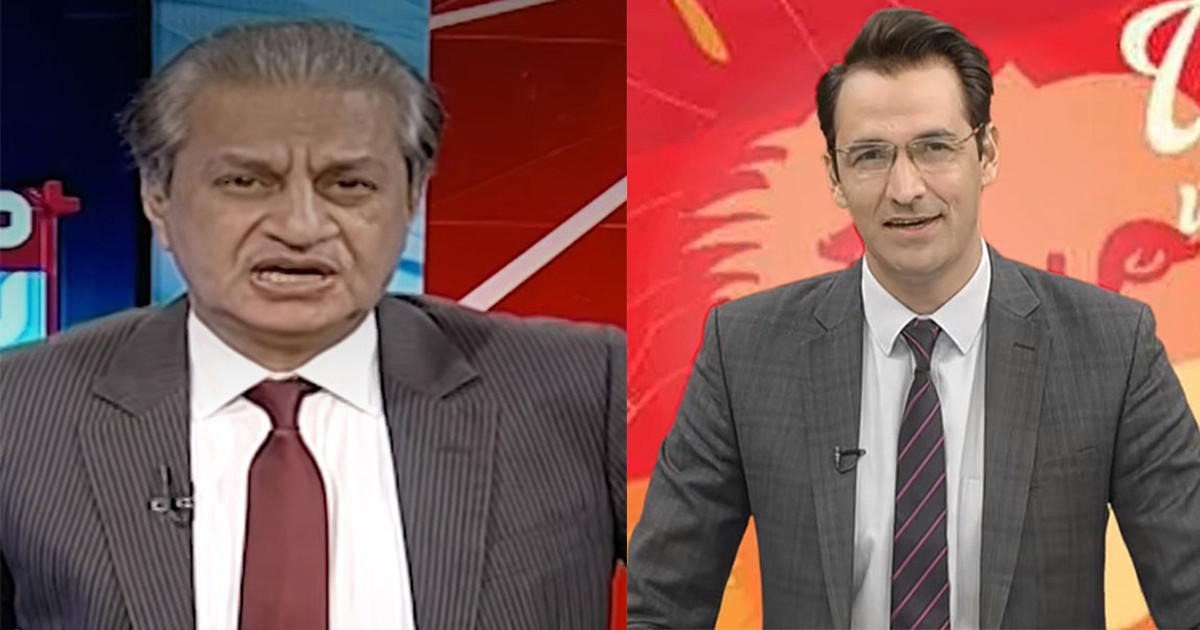
A public dispute between veteran journalist Absar Alam and anchor Syed Samar Abbas over Kashmiri identity escalated after a Samaa TV debate, highlighting tensions between journalism, political commentary and social media activism.Summary
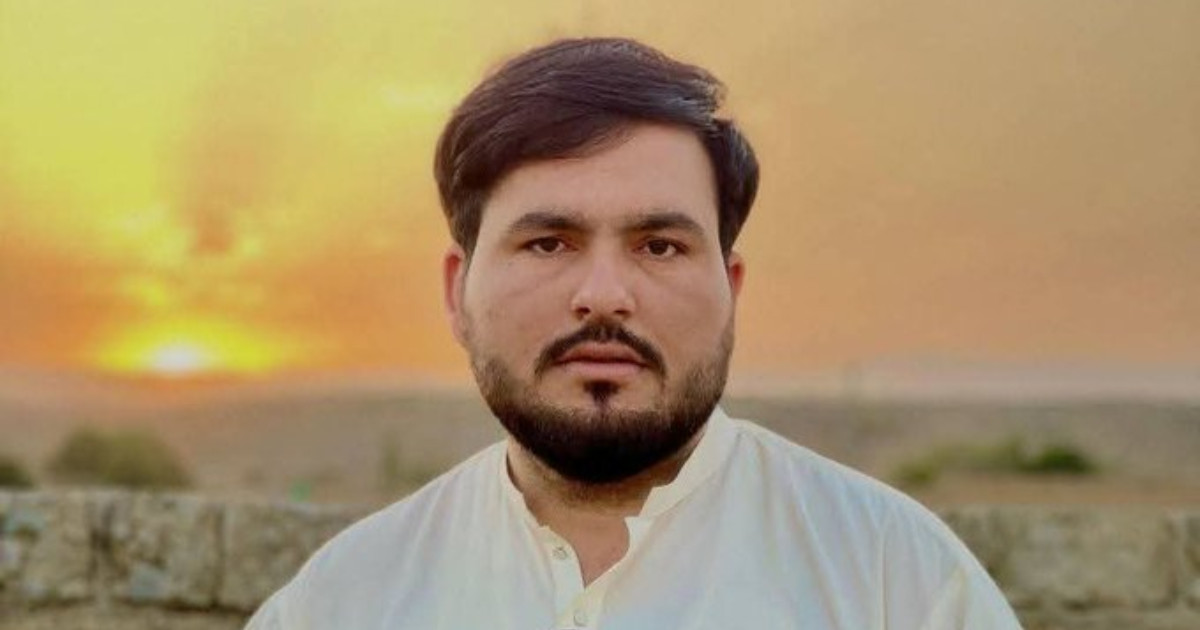
ISLAMABAD — A public clash between two prominent Pakistani journalists over Kashmiri identity has spotlighted the increasingly blurred line between journalism, political commentary, and social media activism.
The controversy began during a Samaa TV talk show hosted by Absar Alam, where Defense Minister Khawaja Asif questioned whether residents of Rawalakot and Mirpur could be considered "real Kashmiris" in the context of ongoing unrest in Azad Jammu and Kashmir (AJK). Absar appeared to agree with the minister's position.
Responding on X, anchorperson Syed Samar Abbas strongly rejected the minister's characterization, arguing that it ignored Kashmir's historical and cultural realities.
"As far as the regions of Azad Kashmir bordering Pakistan are concerned, it is natural that the languages and cultures of neighboring Pakistani areas have become more prominent over decades," Samar wrote. He argued that the former princely state of Jammu and Kashmir existed long before the creation of Pakistan and included areas such as Rawalakot and Mirpur.
From debate to personal confrontation
The exchange quickly escalated into a personal confrontation between the two journalists.
Samar criticized Absar for appearing to endorse the minister's remarks during the television discussion, accusing him of mocking Kashmiris and misunderstanding the region's history. Samar then harshly questioned Absar's background and identity.
Absar responded sharply, saying he could have replied in similar language but chose restraint because Samar was younger. In a subsequent post, he challenged Samar to provide his "complete genealogy" stretching back centuries.
A debate unfolding amid AJK tensions
The argument unfolded against the backdrop of continuing unrest in AJK, where protests linked to representation and governance issues have fueled heated debate about identity, political rights, and the region's future.
Beyond the personal exchanges, the episode illustrates how journalists are increasingly becoming active participants in some of Pakistan's most contentious political conversations.
When journalists become part of the story
Media analysts have long noted that social media platforms have transformed the role of journalists, allowing them to bypass traditional newsroom structures and engage directly with political debates. While this can broaden public discussion, it can also raise questions about professional conduct, impartiality, and the influence of prominent media figures on sensitive national issues.
The Samar-Absar exchange reflects a wider trend in which debates that once remained confined to television studios now play out in real time on social media, often attracting larger audiences and generating stronger reactions than the original broadcasts themselves.
For journalism observers, the dispute is less significant for the personal barbs exchanged and more notable for what it reveals about the evolving role of journalists in shaping public discourse on politically charged issues such as Kashmir.
WHY THIS MATTERS: The clash underscores how journalists are increasingly becoming active participants in the political and identity debates they cover, raising questions about media influence, professional boundaries, and the role of social media in shaping public discourse.
ATTRIBUTION: Reporting by JournalismPakistan based on posts by Syed Samar Abbas and Absar Alam on X and remarks made by Defense Minister Khawaja Asif during a Samaa TV talk show.
Key Points
- The dispute began after a Samaa TV discussion where Defence Minister Khawaja Asif questioned who counts as "real" Kashmiris.
- Samar Abbas challenged the minister's view on X, emphasizing Kashmir's historical and cultural borders.
- Absar Alam was accused of appearing to endorse the minister and later responded with personal remarks.
- The exchange escalated into personal confrontation, including demands for genealogical proof.
- The episode highlights tensions between reporting, political commentary and social media activism.
Key Questions & Answers
What sparked the conflict?
The clash followed a Samaa TV talk show where Defence Minister Khawaja Asif questioned Kashmiri identity; Samar Abbas publicly challenged that view and criticized Absar Alam's responses.
Who are the main figures involved?
Veteran journalist Absar Alam and anchorperson Syed Samar Abbas are the central participants in the public dispute.
Why did the argument become personal?
The debate shifted from policy and identity to personal remarks after Samar accused Absar of mocking Kashmiris and Absar replied with sharp retorts and a challenge about genealogy.
What broader issues does this raise?
The episode raises questions about media ethics, the boundary between journalism and commentary, and how social media escalates disputes.
Relevant Topics
Ask AI: Understand this story your way
AI EnabledDig deeper, ask anything — get instant context, background, and clarity.
Disclaimer: This feature is powered by AI and is intended to help readers explore and understand news stories more easily. While we strive for accuracy, AI-generated responses may occasionally be incomplete or reflect limitations in the underlying model. This feature does not represent the editorial views of JournalismPakistan. For our full, verified reporting, please refer to the original article.