
Pakistan Media Monitor | Edition 2 | June 9-22, 2026
JournalismPakistan.com | Published: 22 June 2026 | JP News Desk
Join our WhatsApp channel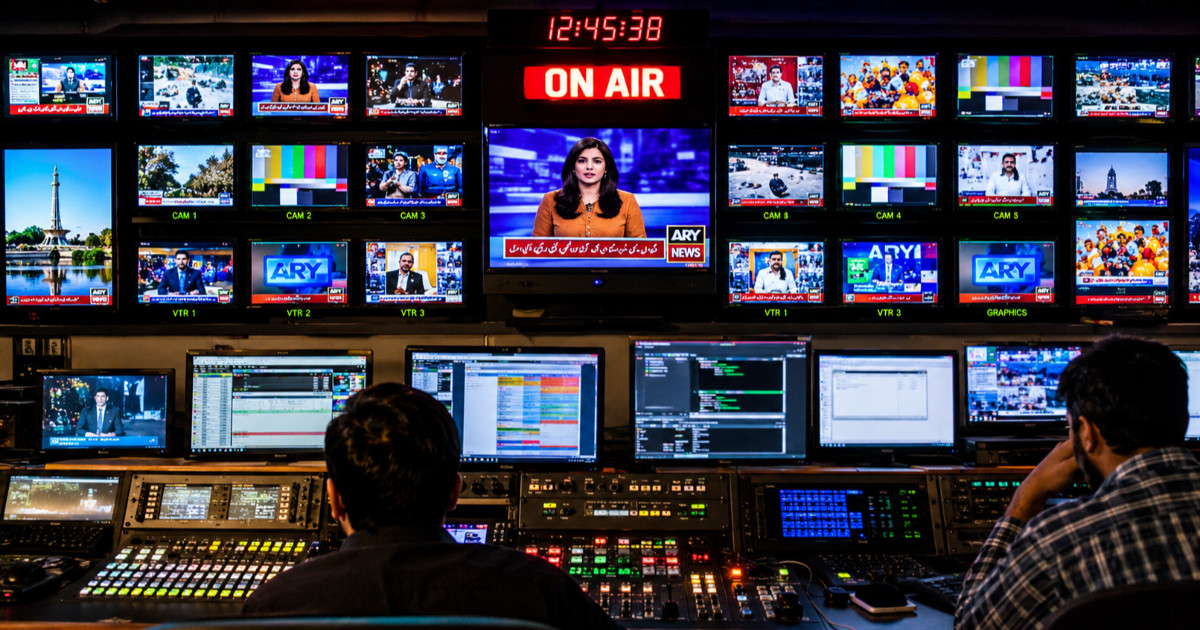
From June 9-22, 2026, Pakistan's media saw intensified scrutiny over PECA-related legal actions, limits on court access, and rising online harassment of journalists, while ATV's closure and SRBC's liquidation highlighted financial strains on broadcasters.Summary
Introduction
Pakistan's media landscape remained under intense scrutiny during June 9-22, 2026, with developments spanning press freedom, cybercrime enforcement, court access, digital harassment, and industry sustainability. Journalists faced continued legal pressure under PECA-related proceedings, while debates over media regulation, online expression, and institutional transparency remained prominent. At the same time, ATV's closure and the liquidation of its parent company, the Shalimar Recording and Broadcasting Company (SRBC), highlighted the mounting economic challenges confronting traditional broadcasters. This edition of Pakistan Media Monitor reviews the key developments shaping journalism, broadcasting, digital media, regulation, and press freedom across the country during the past two weeks.
Editor's Note
The past two weeks have offered a revealing snapshot of the challenges and changes shaping Pakistan's media landscape.
Several of the stories in this edition involve the use of cybercrime laws in matters connected to journalism, commentary, and digital publishing. At the same time, concerns about media access at the Supreme Court, online harassment targeting journalists, and ongoing debates over regulation and accountability have kept press freedom and the working conditions of journalists firmly in focus.
But perhaps the most significant development was the closure of ATV. Beyond the loss of a television channel, it marked the end of an institution linked to Pakistan's broadcasting history for more than five decades. It also served as a reminder that while debates about regulation and freedom of expression often dominate headlines, the financial sustainability of media organizations remains one of the industry's greatest challenges.
Taken together, these developments highlight a media sector under pressure, adapting to rapid technological change, evolving regulations, shifting business models, and growing public expectations.
We launched Pakistan Media Monitor to help readers make sense of these changes by bringing together the most important developments affecting journalism, broadcasting, digital media, and press freedom in one place. We hope this publication becomes a useful resource for journalists, media professionals, researchers, students, and anyone interested in the future of Pakistan's media. — Imran Naeem Ahmad Editor & Publisher JournalismPakistan.com
Top Story
ATV goes dark as SRBC's 52-year legacy comes to an end
ATV went off air on June 19 as the liquidation of its parent company, the Shalimar Recording and Broadcasting Company (SRBC), reached its final stage. The broadcaster's closure affects hundreds of employees and marks the end of a media institution that had been part of Pakistan's broadcasting landscape since 1974. Information Minister Ataullah Tarar said the government had attempted to keep the organization functioning and favored a revival through a public-private partnership, but liquidation proceedings continued following court action initiated by employees and their union.
The shutdown is one of the most significant developments in Pakistan's media industry in recent years. Beyond the loss of a historic broadcaster, it raises broader questions about the sustainability of traditional television channels, employment in the media sector, government support for public-interest broadcasting, and the future of legacy media organizations facing financial pressure in an increasingly digital environment. ATV's disappearance from the airwaves is likely to be remembered as a defining moment in the evolution of Pakistan's television industry.
Key Themes
• Continued use of PECA in cases involving journalists and commentators.
• Growing overlap between broadcast regulation and cybercrime enforcement.
• Media access disputes at Pakistan's Supreme Court.
• Rising concerns about online harassment targeting journalists.
• Financial pressures on traditional media, highlighted by ATV's closure.
• Ongoing debate over government advertising and media sustainability.
Journalist arrests and legal cases
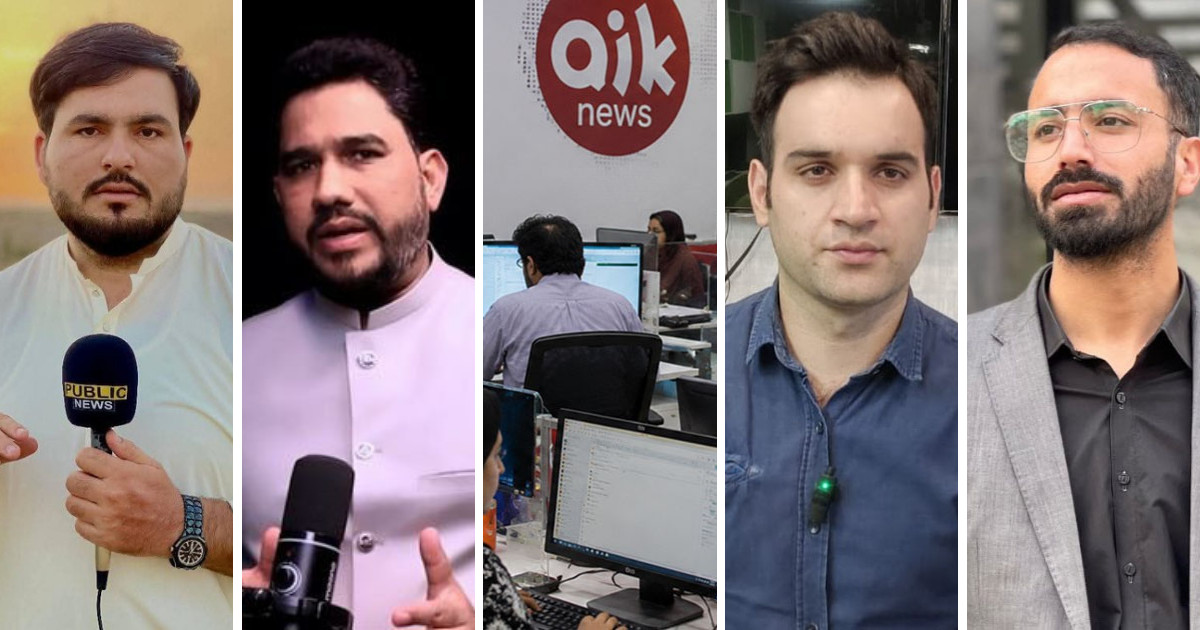
Journalist Razi Tahir granted bail in PECA-linked case — Journalist Razi Tahir was initially granted eight days of bail and later secured an extension of his pre-arrest bail until June 23 in a case linked to the National Cyber Crime Investigation Agency (NCCIA). Tahir said the agency registered an FIR under Sections 20 and 26-A of the Prevention of Electronic Crimes Act (PECA) 2016 over social media posts. In statements posted on X, he alleged that authorities froze his bank accounts, attempted to arrest him, and obtained search warrants for his office, describing the proceedings as retaliation for his reporting.
Tahir also said investigators sought information about the source of a news report, prompting renewed debate over source protection and journalists' legal safeguards. The Human Rights Council of Pakistan separately expressed concern over reported procedural issues related to attempts to serve an arrest warrant. The case is being closely watched by media and rights groups because of its implications for press freedom, due process, digital expression, and the application of cybercrime laws to journalists. (Razi Tahir posts on X, June 8-9, 2026; Human Rights Council of Pakistan statement, June 2026)
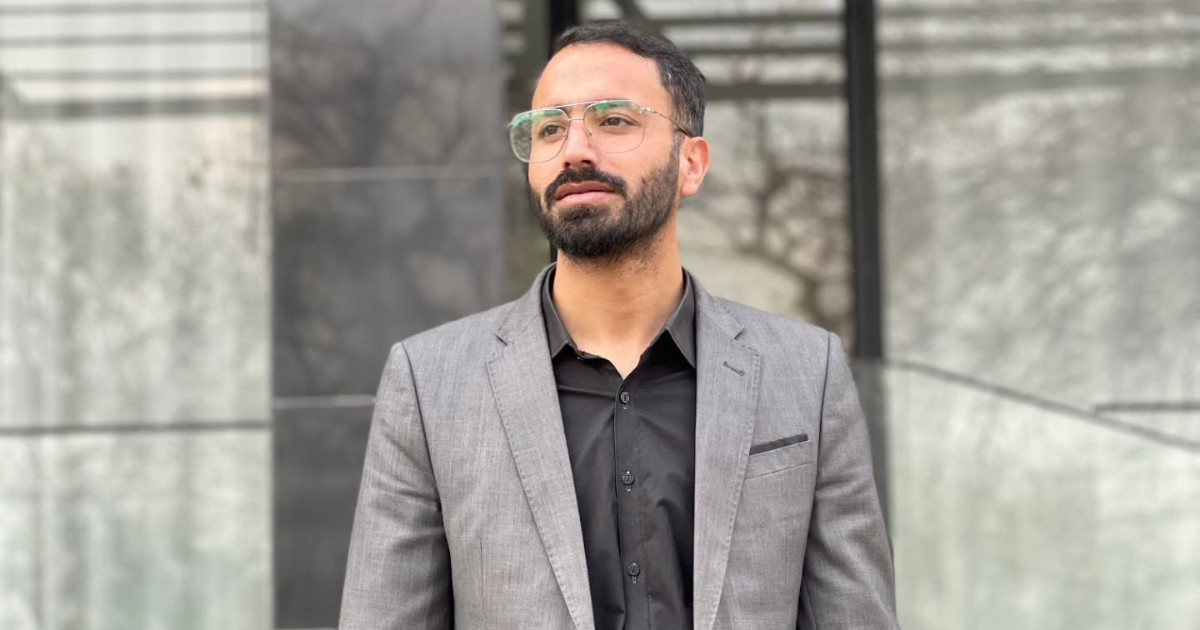
Sohrab Barkat granted bail in latest PECA case — Journalist Sohrab Barkat was released on bail on June 15 after spending 10 days in custody following his arrest over a YouTube report concerning protests in Pakistan-administered Kashmir. Authorities alleged the content violated provisions of the Prevention of Electronic Crimes Act (PECA) dealing with false and misleading information.
The case has renewed discussion about the use of cybercrime legislation in matters involving journalism and digital publishing. Coming only months after Barkat's release from an earlier, separate PECA-related detention, the latest proceedings are likely to remain a point of interest for media organizations, digital rights advocates, and journalists monitoring Pakistan's regulatory environment. (Publicly available case information, June 15, 2026)
Press freedom and journalist safety
Missing GNN journalist found after four days — The recovery of GNN journalist Yasir Ayaz Khan after four days missing brought relief to Pakistan's media community while raising fresh questions about journalist safety and accountability. According to PFUJ President Afzal Butt, Khan reappeared in Swabi and was subsequently transferred to Islamabad police.
With authorities yet to explain the circumstances surrounding the disappearance, the case is likely to remain under scrutiny from media organizations and press freedom observers seeking transparency and a credible investigation. (PFUJ statement, June 9, 2026)
Freedom Network records five journalist threat cases in May — Freedom Network's May 2026 threat analysis recorded five cases involving journalists and digital media practitioners across Pakistan, including arrests under cybercrime and anti-terrorism provisions, terrorism-related FIRs linked to online commentary, prolonged detention of a journalist in Gilgit-Baltistan, and a death threat against a television cameraman in Faisalabad.
The findings highlight continuing legal and security risks facing journalists, particularly those active on digital platforms. The concentration of cases involving online expression also reflects the growing intersection of journalism, social media activity, and regulatory enforcement in Pakistan's evolving media environment. (Freedom Network Threat Data Analysis, May 2026)
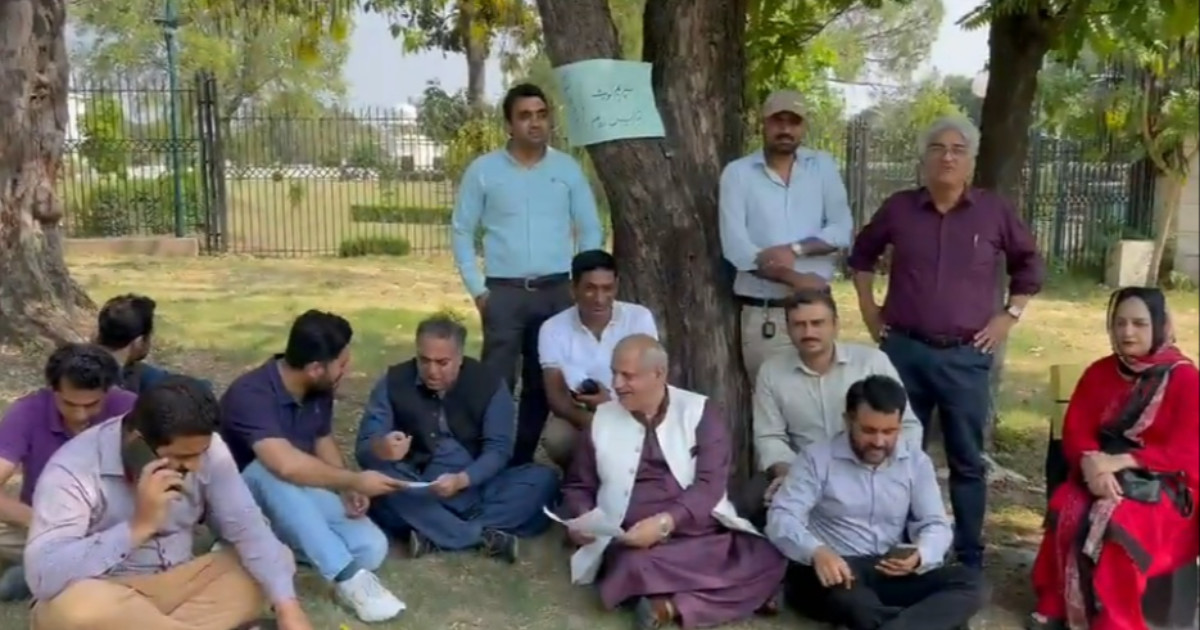
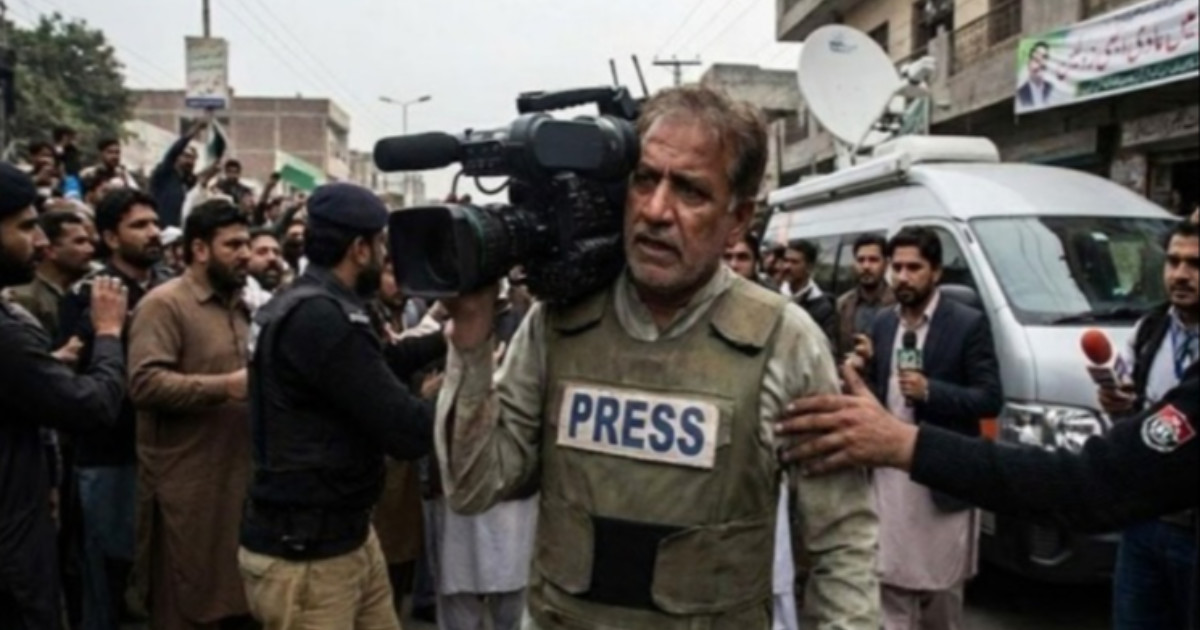
Supreme Court media access dispute triggers journalist protest — A dispute over media access at Pakistan's Supreme Court intensified after journalists said a dedicated press room used by court reporters was vacated and new access restrictions were introduced. Reporters contended that regular access was replaced by a visitor-pass system and limited entry hours, raising concerns about transparency and the practical ability of journalists to cover judicial proceedings. In response, journalists launched an open-air press room in front of the court, arguing that the changes could hinder timely reporting on matters of significant public interest. The controversy has sparked broader debate about institutional openness, media access, and the role of court reporting in ensuring public scrutiny of judicial proceedings. (JournalismPakistan, June 15, 2026; RIUJ statement, June 17, 2026)
RSF warns of growing journalist exile crisis — Reporters Without Borders says the number of countries forcing journalists into exile has doubled over the past five years, underscoring a worsening global environment for independent reporting. While the trend is global, the situation in Afghanistan has particular relevance for Pakistan, which has become a temporary refuge and reporting base for some displaced Afghan journalists. (Reporters Without Borders, June 2026)
Broadcast, regulation, and policy
Public News controversy reignites debate over media regulation — The withdrawal of a Public News report alleging excessive government spending in Punjab, followed by NCCIA notices and subsequent apologies from those involved, renewed discussion about regulatory oversight of broadcast content in Pakistan.
While the controversy has highlighted the risks of amplifying unverified information across television and digital platforms, it has also raised questions about the respective roles of PEMRA and cybercrime authorities in addressing disputed journalistic content. (JournalismPakistan, June 10, 2026)
Digital media and social platforms
Javeria Siddique alleges online smear campaign — Journalist Javeria Siddique, widow of slain journalist Arshad Sharif, said she is facing a sustained online harassment and defamation campaign intended to damage her reputation and intimidate her as she pursues justice for her husband's killing.
Siddique alleged that a Pakistan-origin individual based in London was spreading false claims about her and targeting journalist Samina Pasha. She said she is considering legal action in both the UK and Pakistan, highlighting growing concerns about online abuse, reputational attacks, and digital threats facing journalists. (Javeria Siddique on X, June 13, 2026)
Media business and sustainability
Government ad spending highlights media dependence on state funding — Information Minister Attaullah Tarar's disclosure that the federal government spent more than Rs14.1 billion on advertising across electronic, print, and social media between 2022 and December 2025 offers a rare glimpse into the economics of Pakistan's media sector.
The figures underscore the continued importance of government advertising as a revenue source, particularly for struggling print and regional outlets, while also raising broader questions about media sustainability, market dependence on public-sector spending, and the evolving balance between traditional and digital platforms. (National Assembly proceedings, June 11, 2026)
Policy, regulation, and courts
NCCIA notices raise questions about broadcast and digital regulation — The NCCIA's decision to summon three journalists over claimsinitially aired on a television channel and later circulated online has reignited debate over the intersection of broadcast regulation, digital enforcement, and defamation law. (Publicly available notices and statements, June 9-10, 2026)
Metro One closure sparks debate over regulatory compliance and media ownership — Commentary circulating on social media following the shutdown of Metro One has challenged narratives that place primary responsibility on the regulator, arguing that questions about licensing status, legal disputes, regulatory obligations, and management decisions also warrant scrutiny. (Social media commentary, June 12, 2026)
Internet shutdown in Kashmir raises access-to-information concerns — Amnesty International South Asia has criticized the continuing internet shutdown in Pakistan-administered Jammu and Kashmir, saying the restrictions have produced an information blackout and limited public access to information and essential services. (Amnesty International South Asia on X, June 16, 2026)
Taufiq Butt case draws attention to free expression concerns
A complaint against Nai Baat columnist Taufiq Butt over a recent opinion article has attracted attention from journalists and media observers. The case raises broader questions about freedom of expression, criticism of public institutions, and the scrutiny of opinion journalism in Pakistan's evolving media environment. (Complaint details, June 2026; JournalismPakistan, June 17, 2026)Editorial insight
Trend of the fortnight: PECA's expanding footprint
PECA-related investigations, arrests, complaints, summonses, and bail proceedings featured prominently during the review period. Cases involving Razi Tahir, Sohrab Barkat, Taufiq Butt, and the Public News controversy collectively illustrate the growing role of cybercrime legislation in shaping Pakistan's media environment.
The developments highlight continuing debate over the balance between combating misinformation, protecting reputations, safeguarding digital spaces, and preserving freedom of expression. They also underscore concerns among journalists and media rights advocates regarding due process, source protection, and the increasing involvement of cybercrime authorities in matters connected to journalism and public-interest reporting.
Media voices
CPJ on Sohrab Barkat's detention
"The detention of journalist Sohrab Barkat, just months after he spent 100 days behind bars without any charges, is a blatant attempt to criminalize independent reporting on Kashmir at a moment of intense public interest. Pakistani authorities must immediately and unconditionally release Barkat, return his equipment, and stop using vague, false information allegations and anti-terrorism measures to intimidate journalists." — Committee to Protect Journalists, June 12, 2026
Amnesty decries information blackout in Kashmir
"The internet shutdown, imposed since 5 June, in response to a call for protest by the Jammu and Kashmir Joint Awami Action Committee, has resulted in an information blackout, disrupting people's access to information and essential services and preventing documentation of human rights violations in the region." — Amnesty International South Asia on X, June 16, 2026
Numbers that mattered
52 — Years since the establishment of SRBC, the company whose liquidation resulted in ATV going off air.
14.1 billion — Federal government advertising spending across media platforms between 2022 and December 2025.
5 — Journalist threat cases documented by Freedom Network in May 2026.
10 — Days Sohrab Barkat spent in custody before being granted bail.
4 — Days GNN journalist Yasir Ayaz Khan remained missing before being located.
What to watch in the days ahead
1.Razi Tahir case
Attention will remain focused on proceedings involving journalist Razi Tahir as his extended pre-arrest bail approaches expiry on June 23. Media organizations and digital rights advocates are expected to closely monitor developments and their implications for source protection and PECA enforcement.
2. Taufiq Butt cybercrime proceedings
Observers will be watching whether the NCCIA advances its inquiry into columnist Taufiq Butt, a case that could become an important test of how cybercrime laws are applied to opinion journalism and criticism of public institutions.
3. Supreme Court media access dispute
Journalists covering the judiciary are likely to continue pressing for clarity regarding access arrangements at the Supreme Court following recent protests and subsequent efforts to expand access for accredited media representatives.
4. Kashmir internet shutdown
Media rights groups will closely monitor whether communications restrictions in Pakistan-administered Kashmir are eased and whether authorities respond to concerns raised by international rights organizations.
5. Aftermath of ATV's closure
Attention is expected to turn toward employee compensation, potential revival proposals, and wider discussions about the future sustainability of Pakistan's broadcast sector.
Pakistan Media Monitor is a biweekly publication of JournalismPakistan.com tracking developments in journalism, press freedom, broadcasting, digital media, regulation, and media business across Pakistan.
ATTRIBUTION: Compiled by JournalismPakistan
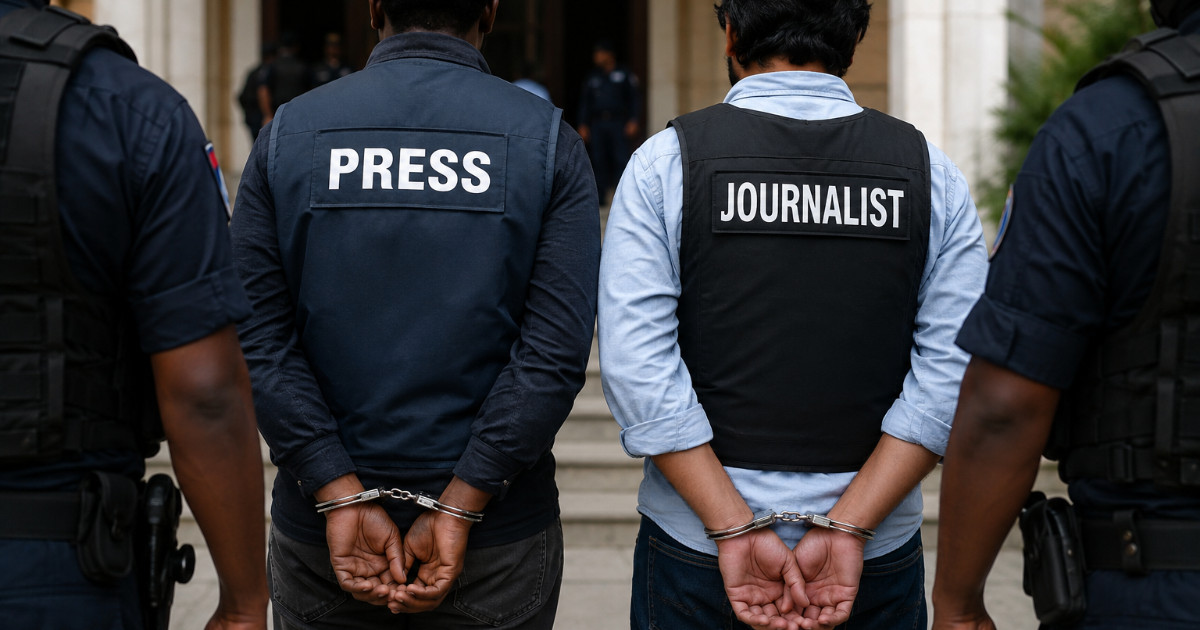
PHOTO: AI-generated; for illustrative purposes
Key Points
- PECA-related legal actions continued to affect journalists, raising press freedom concerns.
- Access to the Supreme Court and other courtrooms for media remained contentious.
- Online harassment of journalists increased, underlining threats to digital safety.
- ATV's closure and SRBC's liquidation illustrated deep financial stress in traditional broadcasting.
- Debates over media regulation, accountability, and industry sustainability intensified.
Key Questions & Answers
What were the main legal pressures on journalists during June 9-22, 2026?
Journalists faced PECA-related proceedings and other legal actions that raised concerns about press freedom and digital expression.
Why is ATV's closure significant?
ATV's shutdown, and the liquidation of SRBC, signalled both the loss of a long-standing broadcaster and broader financial challenges for traditional media.
How did courts factor into media concerns in this period?
Restrictive practices and limited access at the Supreme Court and other courts sparked debates about transparency and media access to judicial proceedings.
What digital risks did journalists face?
There was a rise in online harassment and cyber threats, highlighting the need for better protections and clearer regulation for digital journalists.
Relevant Topics
Ask AI: Understand this story your way
AI EnabledDig deeper, ask anything — get instant context, background, and clarity.
Disclaimer: This feature is powered by AI and is intended to help readers explore and understand news stories more easily. While we strive for accuracy, AI-generated responses may occasionally be incomplete or reflect limitations in the underlying model. This feature does not represent the editorial views of JournalismPakistan. For our full, verified reporting, please refer to the original article.