
Minister lashes out at media houses for playing up load-shedding protests
JournalismPakistan.com | Published: 16 March 2015
Join our WhatsApp channel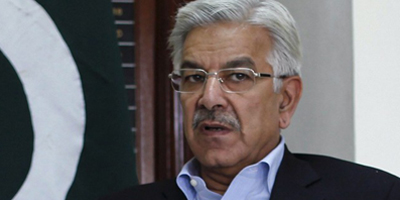
Federal Minister Khawaja Asif condemned media for exacerbating protests against electricity shortages. He stressed the importance of accurate reporting on electricity theft and line losses.Summary
ISLAMABAD: Federal Defense Minister Khawaja Asif Monday lambasted the media houses for playing up protest demonstrations against electricity load-shedding.
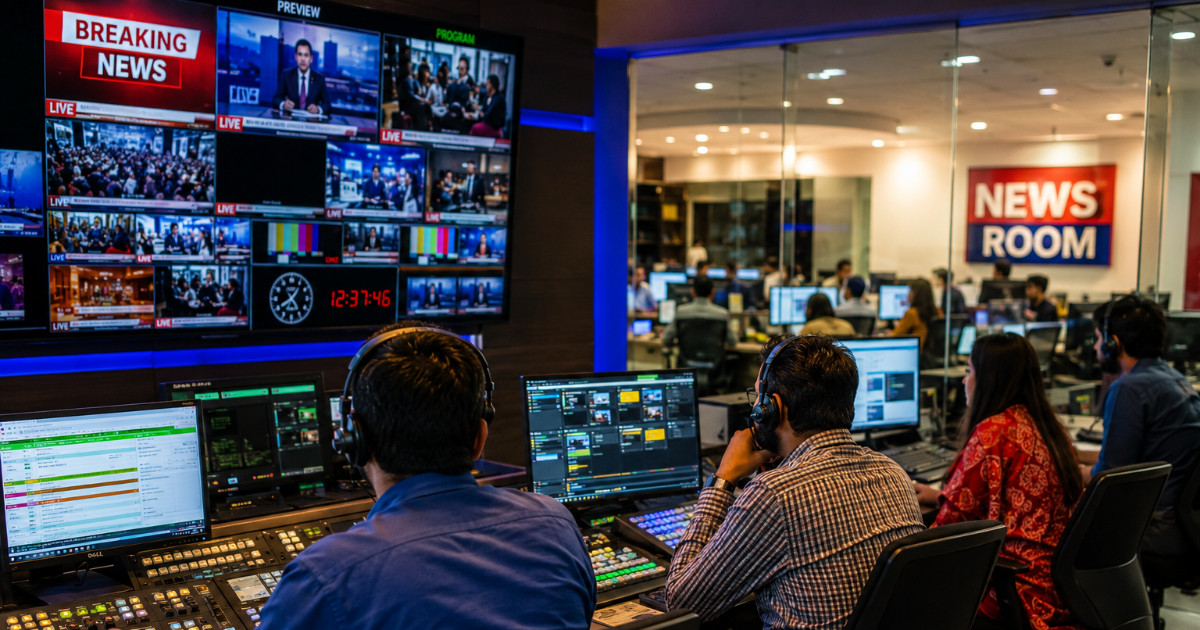
Speaking in the National Assembly, he said the presence of electronic media and cameramen at the protest venues encourage the protestors to resort to violence and burn public property.
“The journalists should also try to do some investigative journalism instead of just filming the protestors and showing them to their viewers,” he said.
The minister said the media houses should also show other side of the picture to their viewers as to why the government has been carrying out load-shedding of over 18 hours in a specific area.
“We are left with no option but to observe excessive load-shedding in the areas where our line losses have reached over 90 percent,” he said.
Asif said the people in some parts of Khyber Pakhtunkhwa, South Punjab and Interior Sindh don’t pay their bills but immediately start protests against the government when they aren’t provided electricity.
“It’s incumbent on the media to inform their viewers about the line losses and electricity-theft as well instead of just playing up the protests for sensationalism,” he said.
Parliamentary Secretary for Religious Affairs and Interfaith Harmony Khalil George also complained the media was not treating those killed in Lahore twin blasts fairly. "The media should also call the Christians killed in the suicide bombings as martyrs as they call the Muslims," he said.
Key Points
- Khawaja Asif criticizes media for sensationalizing load-shedding protests.
- Calls for more investigative journalism by reporters.
- Emphasizes the need to report on electricity theft and line losses.
- Warns against media encouraging violence at protests.
- Highlights unfair media treatment of victims in Lahore blasts.
Relevant Topics
Ask AI: Understand this story your way
AI EnabledDig deeper, ask anything — get instant context, background, and clarity.
Disclaimer: This feature is powered by AI and is intended to help readers explore and understand news stories more easily. While we strive for accuracy, AI-generated responses may occasionally be incomplete or reflect limitations in the underlying model. This feature does not represent the editorial views of JournalismPakistan. For our full, verified reporting, please refer to the original article.