
Israel bans five Palestinian media outlets over coverage
JournalismPakistan.com | Published: 23 February 2026 | JP Middle East Desk
Join our WhatsApp channel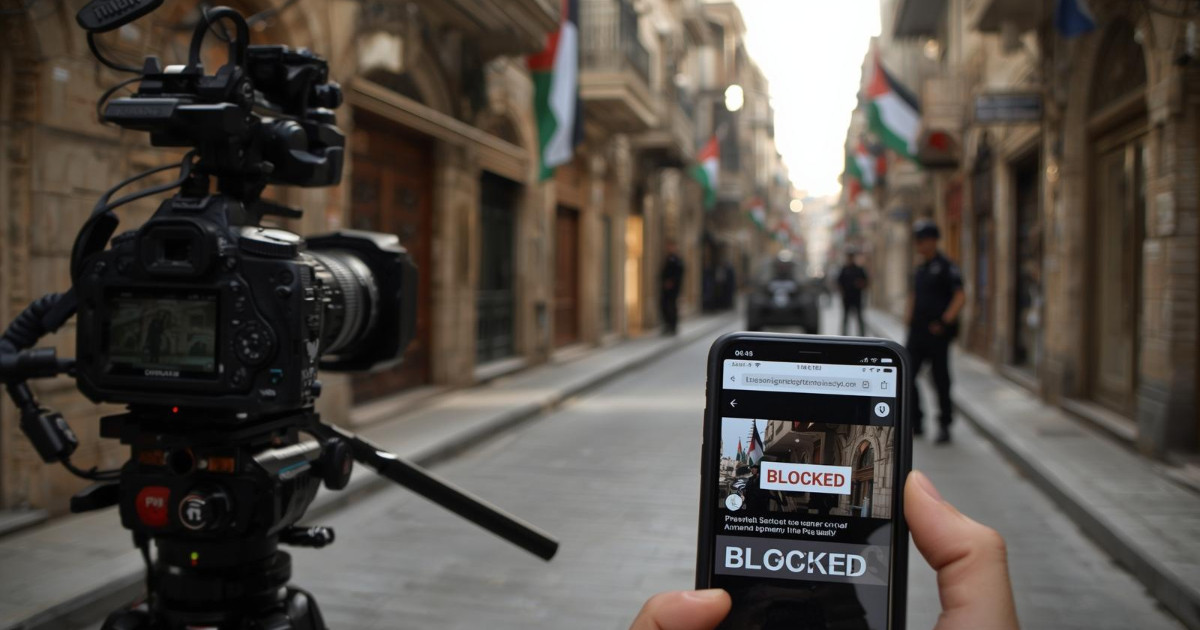
Israeli authorities have ordered five Palestinian digital outlets, including Alasima News and Maydan Al-Quds, to suspend operations, citing alleged incitement linked to coverage in East Jerusalem. The move has prompted press freedom concerns.Summary
JERUSALEM — Israeli authorities have issued orders banning five Palestinian media platforms, including Alasima News and Maydan Al-Quds, accusing them of incitement linked to their coverage of events in East Jerusalem, according to official statements and Israeli media reports.
The orders require the outlets to suspend operations and halt content distribution, marking a significant escalation in regulatory and security measures targeting Palestinian digital news organizations operating in or reporting on Jerusalem. Authorities have not publicly detailed specific articles or broadcasts cited in the decision, but have said the action was taken under security-related regulations.
Expanding use of security regulations
The move reflects Israel’s continued reliance on emergency and security regulations to curb media activity it deems supportive of unrest or violence. Israeli officials have argued that certain reporting and social media content have contributed to tensions in East Jerusalem, particularly around sensitive religious and political sites.
Palestinian media advocates and press freedom organizations have raised concerns that such bans risk suppressing independent reporting and limiting the diversity of voices covering developments in the city. They argue that broad allegations of incitement, without transparent judicial review, could undermine media pluralism and due process.
Digital platforms under scrutiny
The banned outlets are primarily digital platforms that distribute news through websites and social media channels, reflecting a broader trend in which authorities focus on online publishers as key nodes in information dissemination. Over the past year, Israeli regulators and security agencies have intensified monitoring of online content during periods of heightened tensions.
The decision comes amid ongoing unrest and political friction in East Jerusalem, an area that frequently draws international attention due to its religious significance and disputed status. Media coverage of protests, police operations, and clashes has often been a flashpoint, with officials asserting that certain reporting inflames tensions while journalists maintain they are documenting events of public interest.
Legal and regional implications
Legal experts note that closures or bans imposed on media outlets can have ripple effects beyond the immediate organizations, potentially encouraging self-censorship among other publishers concerned about similar action. International watchdogs have repeatedly called for clear, transparent criteria when governments invoke national security to restrict press activity.
The latest orders underscore the fragile operating environment for Palestinian media organizations, many of which rely on digital distribution to reach audiences inside and outside the occupied territories. The long-term impact on coverage from East Jerusalem will depend on whether the outlets challenge the bans in court or shift operations to alternative platforms.
WHY THIS MATTERS: The case highlights how national security frameworks are increasingly used to regulate digital news platforms, a trend that Pakistani journalists should closely monitor, as similar legal tools exist in Pakistan’s cybercrime and anti-terrorism laws. It underscores the importance of transparent regulatory processes, documented legal safeguards, and newsroom risk assessments when covering sensitive political or religious issues.
ATTRIBUTION: This report is based on official Israeli government statements and coverage by Israeli and international news organizations.
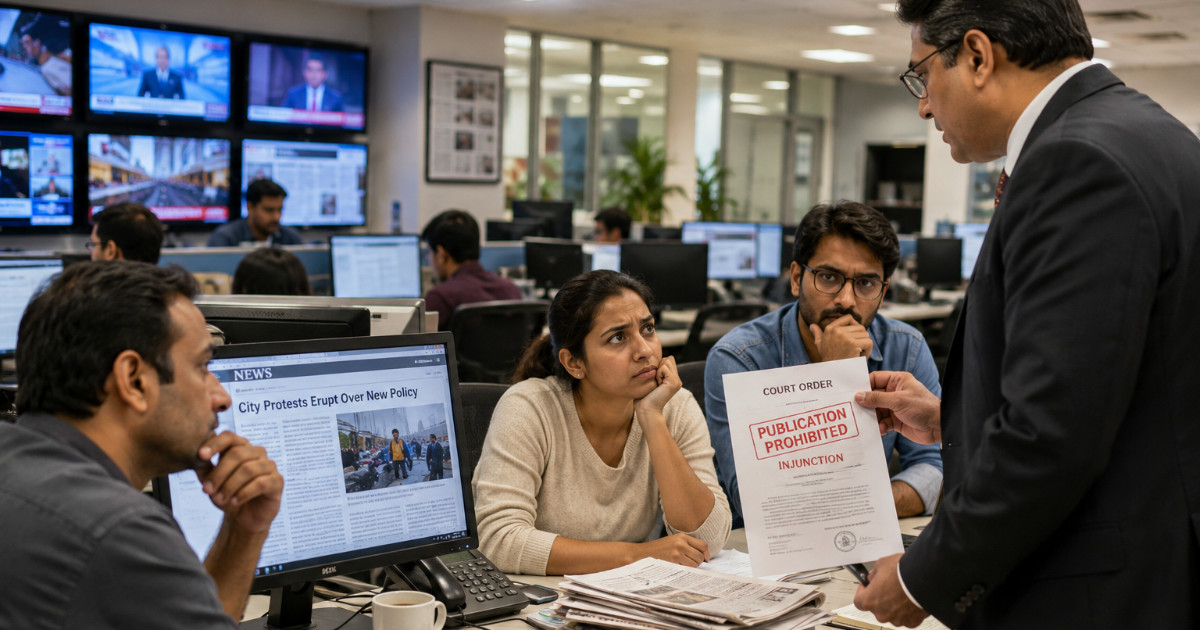
PHOTO: AI-generated; for illustrative purposes only.
Key Points
- Israeli authorities ordered the suspension of five Palestinian digital outlets.
- Named platforms include Alasima News and Maydan Al-Quds.
- Orders require outlets to stop operations and halt content distribution under security regulations.
- Officials cited alleged incitement tied to East Jerusalem coverage; specific articles were not publicly detailed.
- Press freedom groups warn the bans may suppress independent reporting and reduce media pluralism.
Key Questions & Answers
Which outlets were banned?
The orders target five Palestinian digital platforms, notably Alasima News and Maydan Al-Quds; authorities instructed them to suspend operations.
Why were the outlets banned?
Israeli officials said the action was taken under security regulations citing alleged incitement linked to coverage in East Jerusalem; they have not released specific examples.
What concerns have been raised?
Press freedom advocates say the bans risk suppressing independent reporting and undermining media pluralism and due process.
Have the specific articles been identified?
No, authorities have not publicly detailed the specific articles or broadcasts cited in the orders, according to official statements and media reports.
Relevant Topics
Ask AI: Understand this story your way
AI EnabledDig deeper, ask anything — get instant context, background, and clarity.
Disclaimer: This feature is powered by AI and is intended to help readers explore and understand news stories more easily. While we strive for accuracy, AI-generated responses may occasionally be incomplete or reflect limitations in the underlying model. This feature does not represent the editorial views of JournalismPakistan. For our full, verified reporting, please refer to the original article.