.png)
Israel tightens wartime media restrictions on strike coverage
JournalismPakistan.com | Published: 9 June 2026 | JP Middle East Desk
Join our WhatsApp channel
Israeli military renewed wartime censorship banning publication of details, photos and footage of missile strikes and military sites, citing national security. The directives apply to domestic and international media and constrain reporting amid tensions.Summary
JERUSALEM — Israeli military authorities have imposed renewed restrictions on media coverage related to missile strikes and military installations as hostilities between Israel and Iran intensify. Journalists and news organizations have reportedly been instructed not to publish details, photographs, or video footage that could reveal the precise locations of impacts on sensitive military or strategic sites.
The restrictions are being enforced under Israel’s longstanding military censorship framework, which allows authorities to limit the publication of information deemed harmful to national security. The latest measures come amid heightened regional tensions and ongoing exchanges that have increased public and international interest in battlefield developments.
Media organizations face reporting constraints
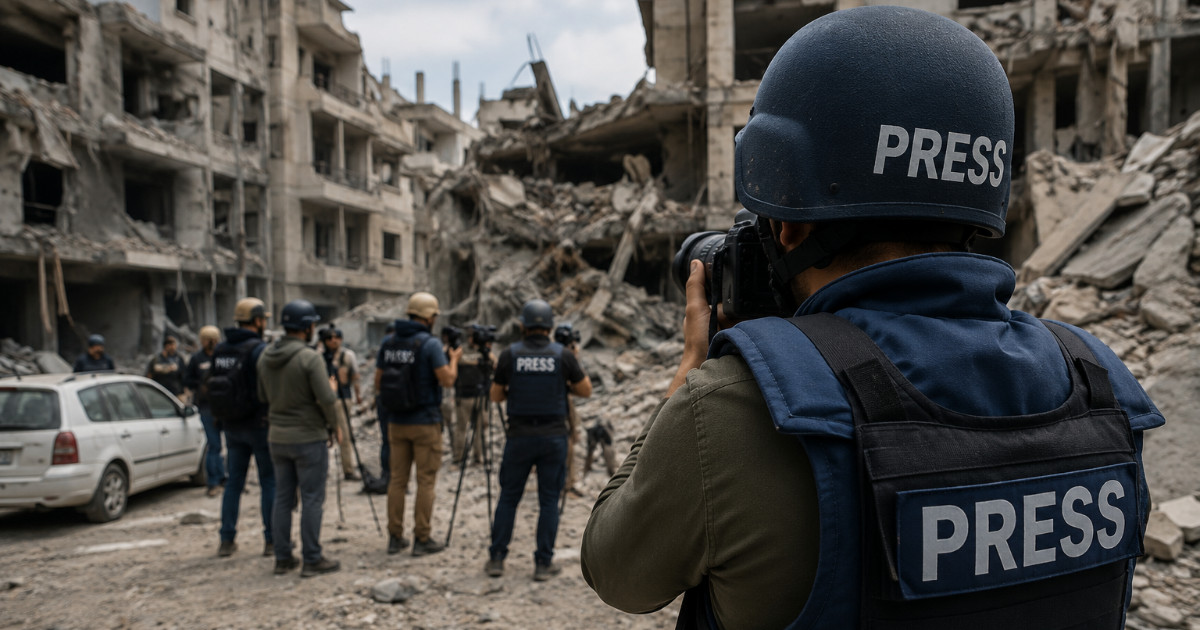
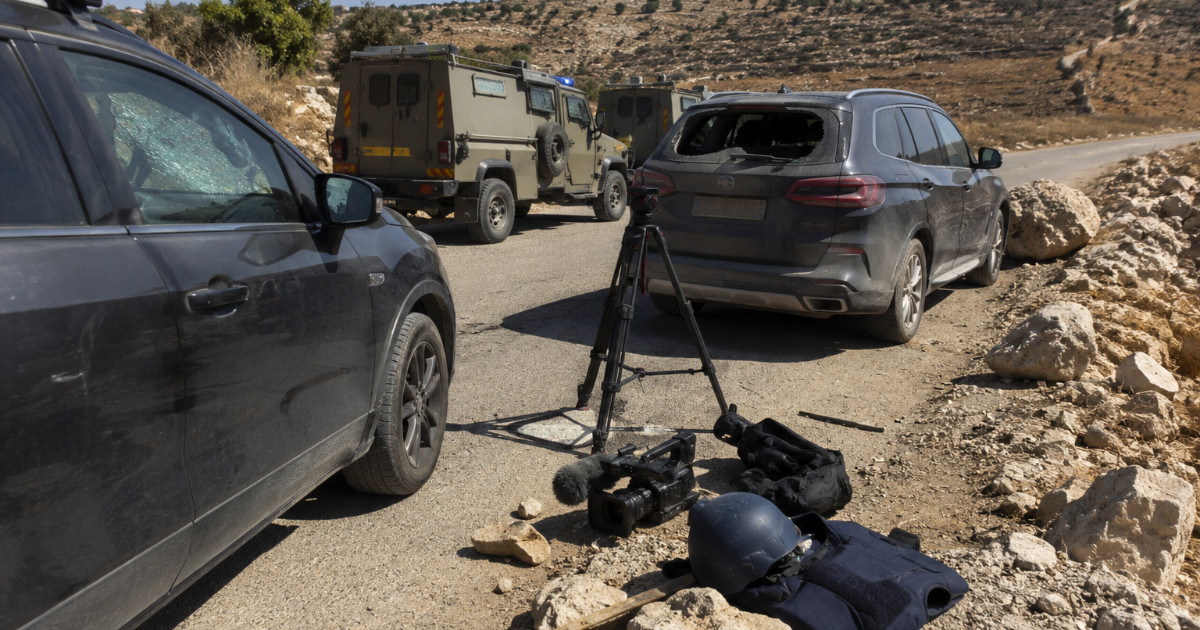
The renewed directives place journalists in a challenging position as they seek to provide timely and accurate coverage while complying with military regulations. News outlets covering missile attacks must carefully assess imagery, eyewitness accounts, and geolocation details before publication to avoid violating censorship requirements.
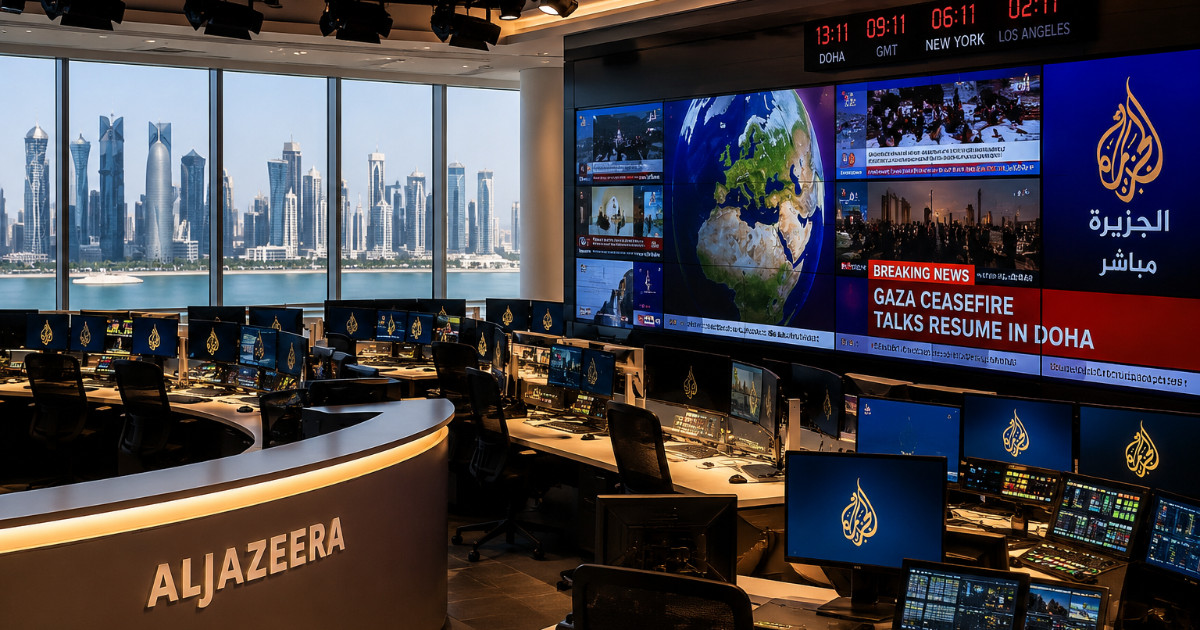
The restrictions apply to both domestic and international media operating in Israel. Analysts note that wartime censorship measures are often expanded during periods of active conflict, particularly when authorities believe operational information could be exploited by adversaries.
Press freedom concerns emerge
Press freedom advocates have raised concerns that expanded reporting restrictions may limit public understanding of the conflict and reduce transparency around the impact of military operations. At the same time, Israeli authorities argue that preventing the disclosure of sensitive information is necessary to protect military personnel, infrastructure, and ongoing operations.
The development highlights the continuing tension between national security imperatives and the media’s role in documenting events during armed conflict. The restrictions also affect international news organizations seeking to verify claims and provide independent reporting from the region.
Regional implications for news coverage
The confrontation between Israel and Iran has become one of the most closely watched security crises in the Middle East, drawing extensive coverage from global media outlets. Reporting limitations on strike locations and military installations may complicate verification efforts and increase reliance on official statements and indirect sources.
For journalists covering conflict zones, the situation underscores the challenges of balancing public-interest reporting with legal and operational constraints imposed during wartime. Newsrooms may need to devote additional resources to verification and compliance as the conflict evolves.
WHY THIS MATTERS: The development serves as a reminder that conflict reporting increasingly operates within complex legal and security frameworks. News organizations covering wars and military crises must navigate censorship rules, verification challenges, and audience demands for real-time information while maintaining accuracy and compliance with local regulations.
ATTRIBUTION: Reporting by JournalismPakistan, based on publicly available reports and statements regarding Israeli military media restrictions during the Israel-Iran confrontation published on June 9, 2026.
PHOTO: By hosny salah from Pixabay
Key Points
- Israeli military renewed restrictions on publishing details and imagery of missile strikes and sensitive sites.
- Directives apply to both domestic and international media operating in Israel.
- Measures are enforced under Israel's military censorship regime citing national security concerns.
- Journalists must vet photos, video and geolocation before publication to avoid violations.
- Press freedom advocates warn the curbs may limit public understanding of battlefield events.
Key Questions & Answers
What restrictions have been imposed?
The military has ordered media not to publish details, photos or video that could reveal precise impact locations on missile strikes or sensitive sites.
Who must follow the directives?
Both domestic and international journalists and news organizations operating in Israel are expected to comply with the censorship rules.
Under what authority are the measures enforced?
The directives are being applied under Israel's longstanding military censorship framework, which allows limits on information deemed harmful to national security.
What are the concerns raised by press freedom advocates?
Advocates warn that expanded wartime reporting restrictions can reduce transparency and hamper the public's understanding of conflict developments.
Relevant Topics
Ask AI: Understand this story your way
AI EnabledDig deeper, ask anything — get instant context, background, and clarity.
Disclaimer: This feature is powered by AI and is intended to help readers explore and understand news stories more easily. While we strive for accuracy, AI-generated responses may occasionally be incomplete or reflect limitations in the underlying model. This feature does not represent the editorial views of JournalismPakistan. For our full, verified reporting, please refer to the original article.