
Al Jazeera's legacy revisited after former Qatari Emir's death
JournalismPakistan.com | Published: 13 July 2026 | JP Middle East Desk
Join our WhatsApp channel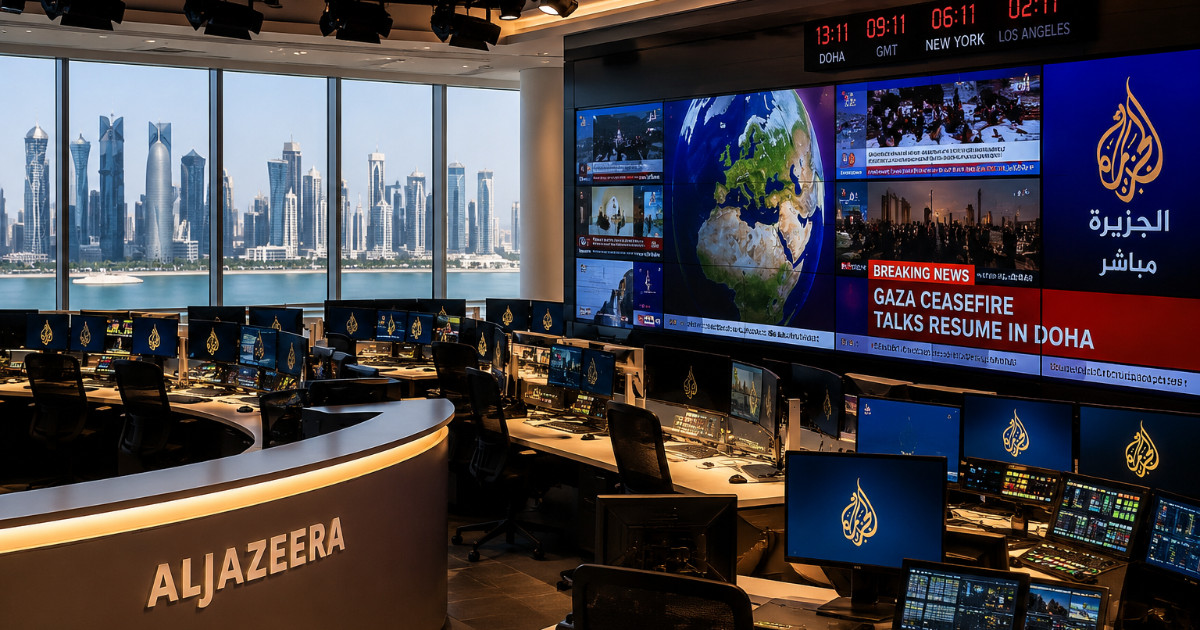
Following the death of former Qatari Emir Sheikh Hamad bin Khalifa Al Thani, analysts revisited his media legacy, focusing on Al Jazeera's founding and rise: its confrontational Arabic reporting, live coverage and multilingual expansion that reshaped Arab broadcasting.Summary
DOHA — The death of former Qatari Emir Sheikh Hamad bin Khalifa Al Thani has prompted renewed examination of one of his most influential legacies: the creation and expansion of Al Jazeera into one of the world's most prominent international news organizations. While the former emir's political legacy remains the primary focus of regional coverage, media analysts and news organizations have also highlighted the broadcaster's enduring impact on journalism across the Middle East and beyond.
Since its launch in 1996, Al Jazeera has transformed Arabic-language television news by introducing a more confrontational editorial style, providing extensive live coverage of regional events, and offering perspectives that often differed from those presented by state-controlled broadcasters. Over time, the network expanded into multiple languages and platforms, becoming a major international news organization with audiences spanning every continent.
Al Jazeera reshaped regional broadcasting
The broadcaster's emergence fundamentally altered the Arab media landscape, encouraging greater competition among regional television networks and raising expectations for live reporting, investigative journalism, and debate-driven programming. Its coverage of major regional conflicts and political developments helped establish it as one of the most recognizable media brands originating from the Middle East.
Supporters have credited Al Jazeera with broadening the range of voices available to Arab audiences and influencing television journalism across the region. Critics, meanwhile, have frequently questioned aspects of its editorial approach and accused Qatar of using the network to advance its foreign policy interests. Those competing interpretations have remained central to discussions about the broadcaster throughout its history.
Soft power debate returns
The former emir's death has also revived debate over Qatar's broader use of media as an instrument of soft power. Analysts have long argued that Al Jazeera became one of the country's most significant international assets, complementing its diplomatic, economic, and cultural outreach while substantially increasing Qatar's global visibility.
Regardless of differing assessments of its editorial policies, Al Jazeera's influence on international broadcasting is widely acknowledged. The network's expansion helped demonstrate that a Middle Eastern news organization could compete directly with long-established global broadcasters, reshaping audience expectations and influencing television news production well beyond the region.
As tributes to Sheikh Hamad continue, discussion of his legacy increasingly extends beyond politics to include the lasting transformation of regional and international journalism brought about by Al Jazeera's rise.
WHY THIS MATTERS: Al Jazeera's evolution illustrates how investment, editorial ambition, and technological innovation can fundamentally reshape a regional media market. For journalists and media organizations, its history also highlights the continuing debate over editorial independence, state influence, and the growing role of international news brands as instruments of national soft power.
ATTRIBUTION: Reporting by JournalismPakistan, based on a publicly available report by the Associated Press (July 13, 2026).
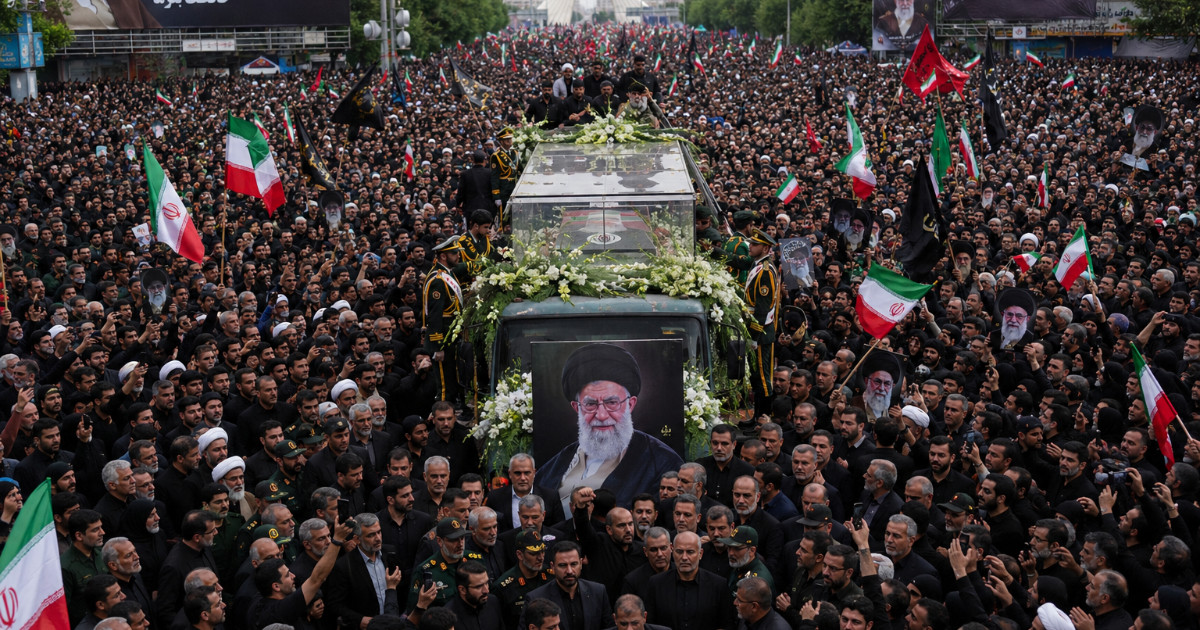
PHOTO: AI-generated; for illustrative purposes only.
Key Points
- Sheikh Hamad's death has renewed attention on his role in founding Al Jazeera.
- Al Jazeera introduced a more confrontational Arabic news style and emphasized live coverage.
- The network expanded into multiple languages and platforms, gaining broad international reach.
- Supporters say it widened voices in Arab media; critics cite bias and state tensions.
- Its emergence reshaped regional broadcasting and influenced reporting standards.
Key Questions & Answers
Who was Sheikh Hamad bin Khalifa Al Thani?
He was Qatar's former emir whose death prompted reassessment of both his political and media legacy.
What is Al Jazeera?
Al Jazeera is a news network launched by Qatar that grew from an Arabic channel into a major international broadcaster.
How did Al Jazeera change regional media?
It popularized a more confrontational style, extensive live reporting and debate-driven programming, challenging state-controlled outlets.
Why is the network controversial?
Supporters praise its broader range of voices and investigative work, while critics allege bias and have linked it to regional political tensions.
Relevant Topics
Ask AI: Understand this story your way
AI EnabledDig deeper, ask anything — get instant context, background, and clarity.
Disclaimer: This feature is powered by AI and is intended to help readers explore and understand news stories more easily. While we strive for accuracy, AI-generated responses may occasionally be incomplete or reflect limitations in the underlying model. This feature does not represent the editorial views of JournalismPakistan. For our full, verified reporting, please refer to the original article.