
Foreign media navigate restrictions during Khamenei funeral
JournalismPakistan.com | Published: 6 July 2026 | JP Middle East Desk
Join our WhatsApp channel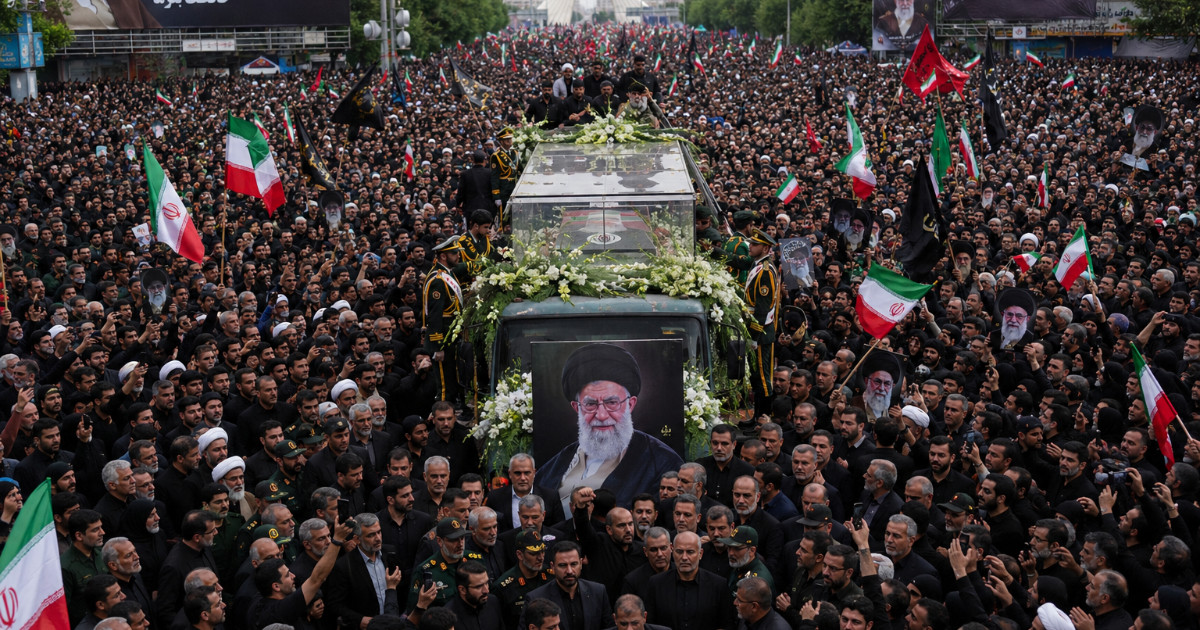
At Ayatollah Khamenei's Tehran funeral, foreign news organizations faced strict information controls and limited access, relying on state broadcasts, verified videos and satellite imagery, and using eyewitness accounts and remote reporting with verification.Summary
TEHRAN — As hundreds of thousands of mourners gathered in Tehran on Monday for the funeral procession of Iran's late Supreme Leader Ayatollah Ali Khamenei, international news organizations faced one of the most challenging reporting assignments in the Middle East in recent years, balancing intense global interest with strict state controls over information and limited access for independent journalists.
The funeral, broadcast extensively by Iranian state television, drew widespread international attention as it marked a pivotal moment in Iran's political transition following Khamenei's death. While domestic audiences were presented with continuous official coverage emphasizing national unity and resistance, many foreign news organizations relied on remote reporting, verified video footage, official statements, satellite imagery, and eyewitness accounts to document developments.
Reporting under tight information controls
The scale of the event made it one of the biggest international news stories of the day, yet reporting conditions remained highly restrictive. Foreign correspondents had limited opportunities to independently verify developments on the ground, prompting international broadcasters and wire services to adopt rigorous verification procedures before publishing images, videos, or claims circulating online.
State media remained the dominant domestic source of information, broadcasting live aerial footage of large crowds filling central Tehran while highlighting official ceremonies attended by senior political and military figures. Independent journalists and international outlets, however, continued to exercise caution when assessing footage shared through social media, recognizing the heightened risk of misinformation during major geopolitical events.
The funeral also unfolded against a backdrop of heightened regional tensions following months of conflict involving Iran, Israel, and the United States. International media coverage, therefore, extended well beyond the ceremony itself, examining its political symbolism, regional implications, and the transition of leadership inside the Islamic Republic.
Verification becomes a newsroom priority
For news organizations covering Iran from outside the country, verification became one of the defining challenges of the day's reporting.
Editors increasingly relied on multiple independent sources before confirming developments, comparing official announcements with satellite imagery, authenticated videos, statements from diplomats, and reporting from established international correspondents. Several international outlets delayed publication of unverified claims circulating on social media until additional confirmation became available, reflecting broader newsroom practices developed during recent conflicts.
The event illustrated how major geopolitical stories increasingly demand cross-border collaboration between visual verification teams, open-source intelligence specialists, correspondents, and regional editors. Such approaches have become standard practice for many international media organizations reporting from locations where independent access is restricted.
Meanwhile, Iranian state television continued uninterrupted coverage of funeral ceremonies, presenting the procession as a demonstration of national solidarity and resilience while emphasizing official narratives surrounding the country's future leadership.
Social media adds complexity
Social media platforms quickly filled with images, videos, commentary, and competing interpretations of the funeral, creating an additional challenge for journalists seeking to distinguish authentic material from manipulated or misleading content.
Newsrooms covering the event were required to assess the provenance of user-generated content before publication, with many organizations clearly labeling verified footage and avoiding unsupported claims. The approach reflected lessons learned from previous conflicts in the region, where misinformation has often spread faster than independently verified reporting.
The funeral also demonstrated the continuing importance of open-source investigative techniques, particularly when traditional newsgathering is constrained by security concerns or government restrictions.
Beyond the ceremony itself, international media have focused on the implications of Iran's leadership transition, the country's regional posture, and the broader geopolitical consequences following months of conflict. Those issues are expected to remain central themes in global coverage in the coming weeks as journalists continue to report on developments from both inside and outside Iran.
WHY THIS MATTERS: The coverage of Iran's leadership transition highlights how modern international reporting increasingly depends on verification rather than physical access. For journalists and news organizations, the event underscores the growing importance of open-source intelligence, cross-border newsroom collaboration, and transparent sourcing when covering politically sensitive events under restrictive reporting conditions.
ATTRIBUTION: Reporting by JournalismPakistan, based on publicly available reports by Reuters (July 6, 2026) and official broadcasts by Iranian state media as reported by Reuters (July 6, 2026).
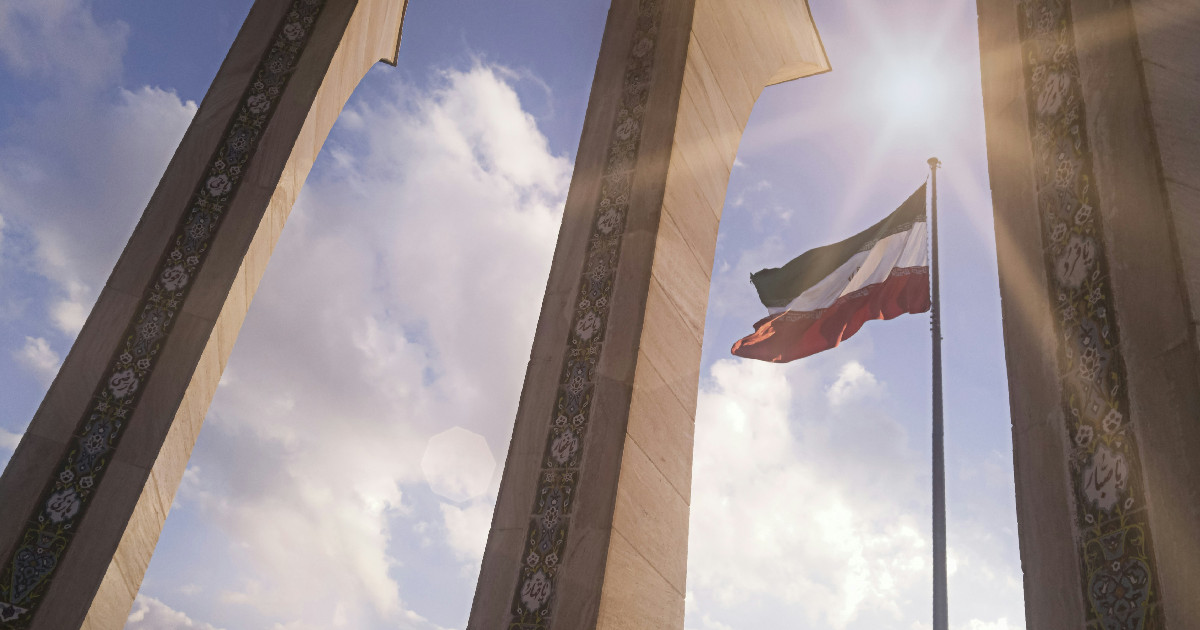
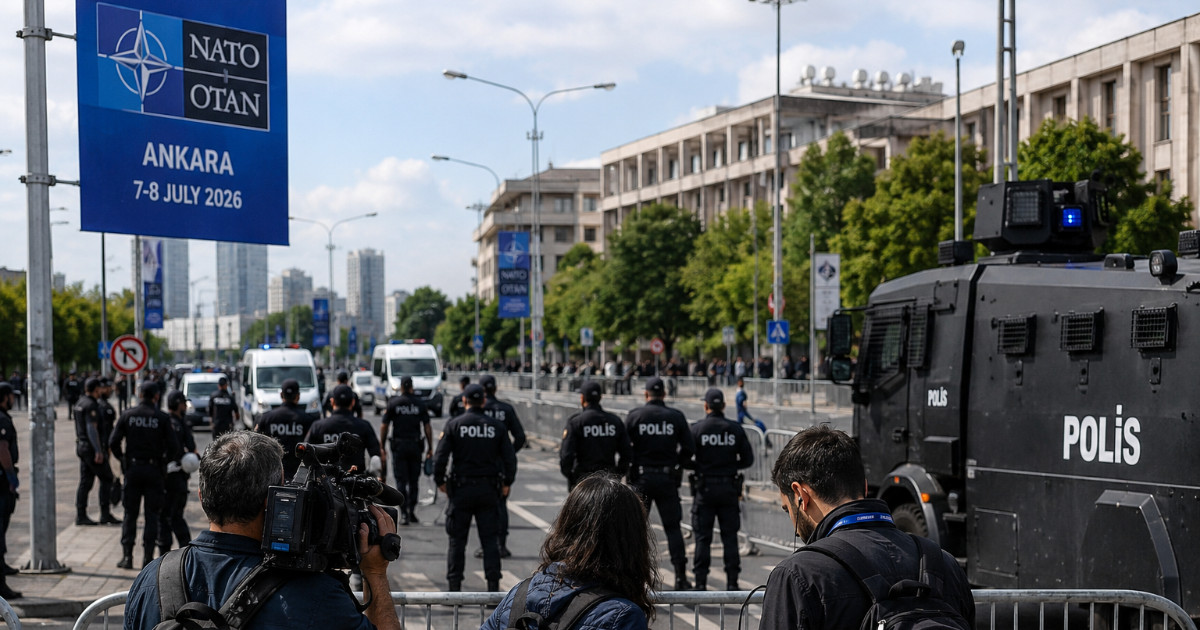
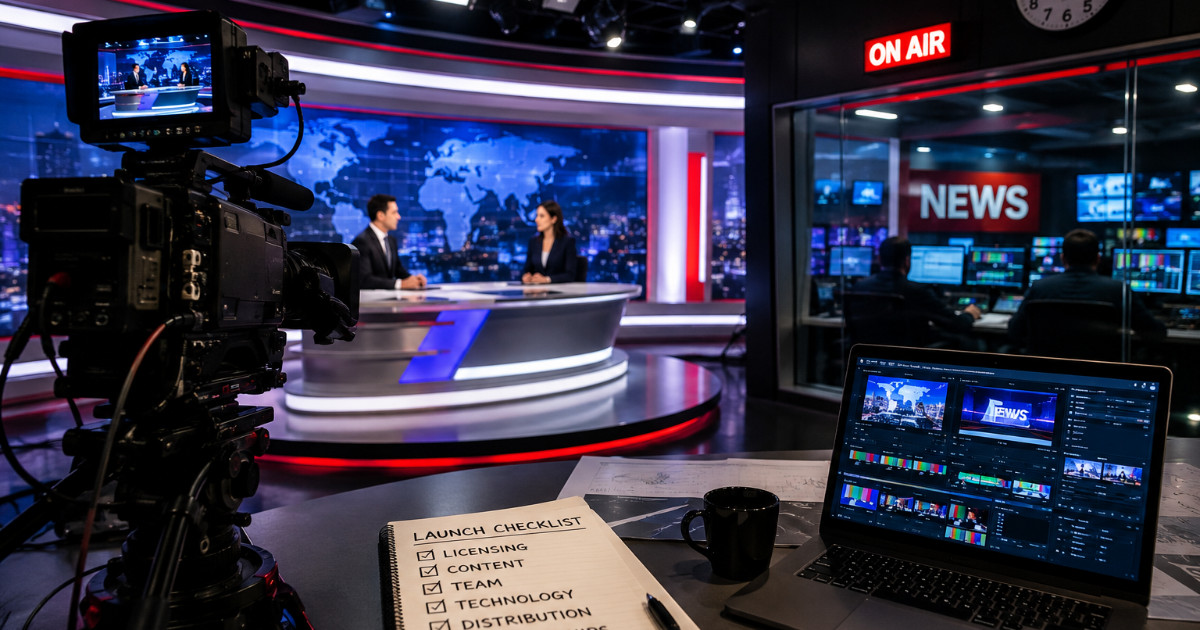
PHOTO: AI-generated; for illustrative purposes only.
Key Points
- Large crowds in Tehran made the event globally significant but reporting was tightly controlled.
- Foreign correspondents had limited on-the-ground access and few opportunities for independent verification.
- State media dominated domestic coverage with live aerial footage and official ceremonies.
- International outlets relied on state broadcasts, verified videos, satellite imagery and eyewitness accounts.
- News organizations implemented rigorous verification procedures and used remote reporting tools.
Key Questions & Answers
Why was covering the funeral difficult for foreign media?
Reporters faced strict information controls, limited access to key locations and restrictions on movement, making independent verification and on-site reporting challenging.
How did foreign outlets verify what they reported?
They used a mix of methods including cross-checking official footage, open-source verification, satellite imagery, eyewitness accounts and corroboration from multiple sources before publishing.
What role did Iranian state media play during the event?
State media provided continuous live coverage, aerial footage of large crowds and official ceremonies, and served as the dominant source of domestically available visuals and statements.
Were foreign journalists barred from Tehran entirely?
Not entirely, but many correspondents faced restricted access, limited movement and obstacles to independent reporting, prompting reliance on remote methods and verified material.
Relevant Topics
Ask AI: Understand this story your way
AI EnabledDig deeper, ask anything — get instant context, background, and clarity.
Disclaimer: This feature is powered by AI and is intended to help readers explore and understand news stories more easily. While we strive for accuracy, AI-generated responses may occasionally be incomplete or reflect limitations in the underlying model. This feature does not represent the editorial views of JournalismPakistan. For our full, verified reporting, please refer to the original article.