.png)
Arshad Sharif case closure leaves grief and questions for Pakistani media
JournalismPakistan.com | Published: 4 February 2026 | JP Special Report
Join our WhatsApp channel
The Federal Constitutional Court cited a Kenya mutual legal assistance pact to close Arshad Sharif's case, resolving legal proceedings but leaving his family, colleagues and Pakistani journalists with unresolved grief and questions about reporters' safety.Summary
ISLAMABAD — The closure of Arshad Sharif’s case has left his family, colleagues, and Pakistani journalists confronting unresolved grief and a lingering sense of injustice. The Federal Constitutional Court cited the Mutual Legal Assistance agreement with Kenya to formally end proceedings, stating that no further judicial intervention was required. While the ruling resolves the legal aspect of the case, it does little to address the personal and systemic implications of Sharif’s murder.
A relentless pursuit of justice
Sharif’s wife, Javeria Siddique, has emerged as a steadfast advocate for accountability, navigating both domestic and international avenues to seek answers. She has tirelessly approached courts, legal authorities, and human rights bodies, often “from pillar to post,” to ensure that her husband’s murder does not go unexamined. Her efforts highlight the immense personal toll on families of journalists who are killed while carrying out their professional duties.
Impact on Pakistani journalism
Sharif was known for his investigative reporting and cross-border coverage, work that exposed sensitive issues and sometimes challenged powerful interests. His death sent shockwaves through newsrooms, with colleagues describing heightened anxiety and fear among journalists who cover politically sensitive or high-risk stories. Media professionals warn that even when a case is legally closed, the underlying risks to reporters remain largely unaddressed.
Risks and systemic gaps
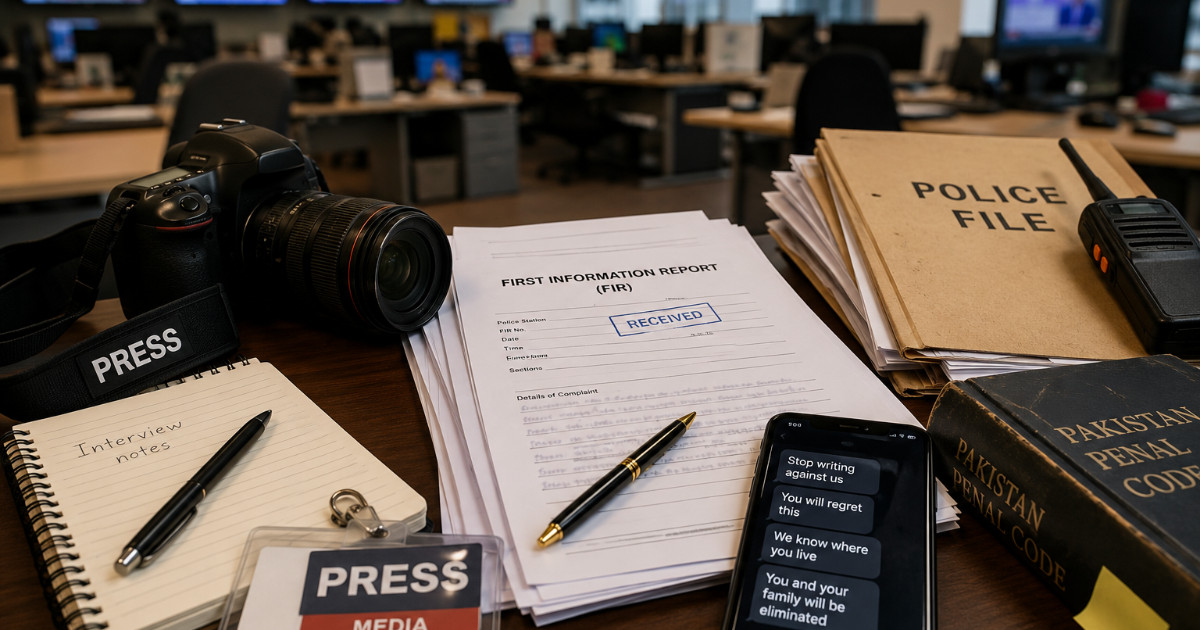
The case underscores the vulnerability of journalists in Pakistan. Experts note that institutional safeguards are often insufficient, leaving reporters exposed to harassment, threats, or physical harm. Media organizations are increasingly emphasizing the importance of safety protocols, legal guidance, and risk assessment strategies to protect journalists, particularly those engaged in investigative or cross-border reporting.
Legacy and broader reflections
Beyond the personal tragedy, Sharif’s work symbolizes courage and commitment in Pakistani journalism. His case serves as a stark reminder of the human cost of reporting under threat and the need for stronger mechanisms to ensure justice and protection. International observers continue to monitor Pakistan’s handling of journalist safety, noting that unresolved cases like Sharif’s affect perceptions of press freedom and media independence.
WHY THIS MATTERS: The closure of Arshad Sharif’s case highlights that legal resolution does not automatically ensure justice or safety for journalists. For media organizations and reporters, it reinforces the need for stronger institutional safeguards, proactive safety measures, and solidarity when covering high-risk stories. The determination of Sharif’s family also illustrates the crucial role of advocacy in holding institutions accountable.
ATTRIBUTION: Based on publicly available court rulings, verified statements from Sharif’s family, and commentary from journalists.
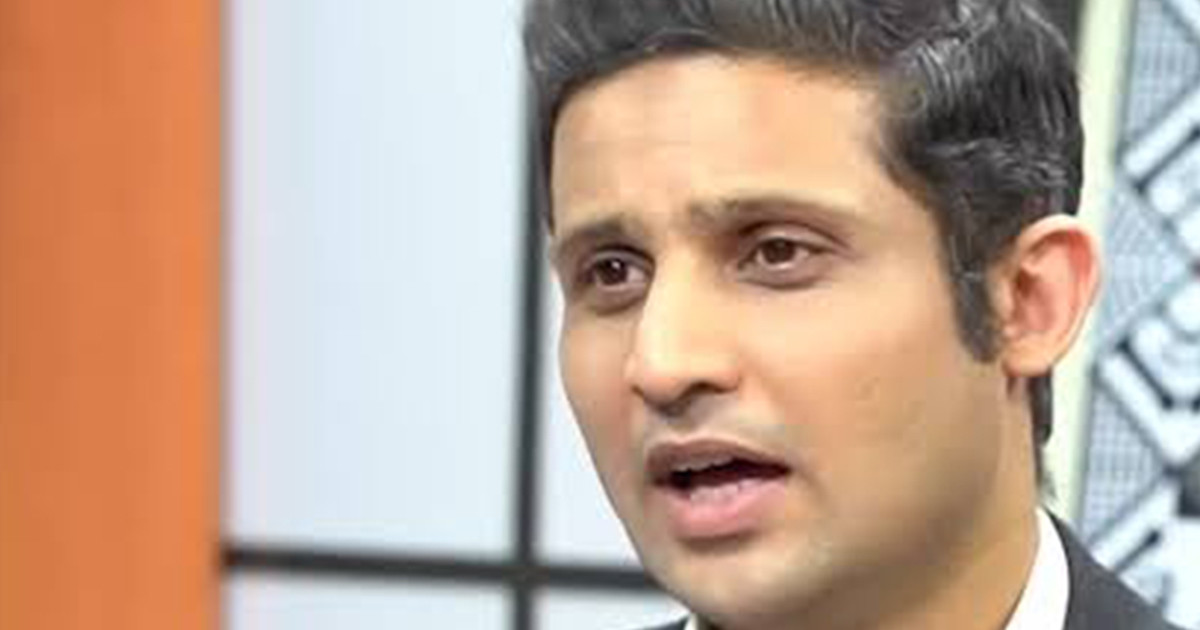
PHOTO: Arshad Sharif (Facebook)
Key Points
- Federal Constitutional Court closed the case citing a Kenya mutual legal assistance agreement.
- Sharif's widow, Javeria Siddique, has pursued domestic and international avenues for accountability.
- The legal closure resolves proceedings but leaves personal and systemic questions unanswered.
- Pakistani journalists report increased fear and anxiety when covering sensitive or high-risk stories.
- The case highlights gaps in protections and ongoing risks to press freedom and media safety.
Relevant Topics
Ask AI: Understand this story your way
AI EnabledDig deeper, ask anything — get instant context, background, and clarity.
Disclaimer: This feature is powered by AI and is intended to help readers explore and understand news stories more easily. While we strive for accuracy, AI-generated responses may occasionally be incomplete or reflect limitations in the underlying model. This feature does not represent the editorial views of JournalismPakistan. For our full, verified reporting, please refer to the original article.