.png)
No justice, no closure for Arshad Sharif's widow Javeria Siddique
JournalismPakistan.com | Published: 20 October 2025 | JP Special Report
Join our WhatsApp channel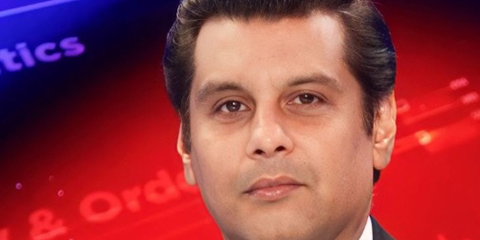
Three years post the murder of journalist Arshad Sharif, justice remains elusive as no one has been held accountable. His widow, Javeria Siddique, faces ongoing challenges in her quest for justice.Summary
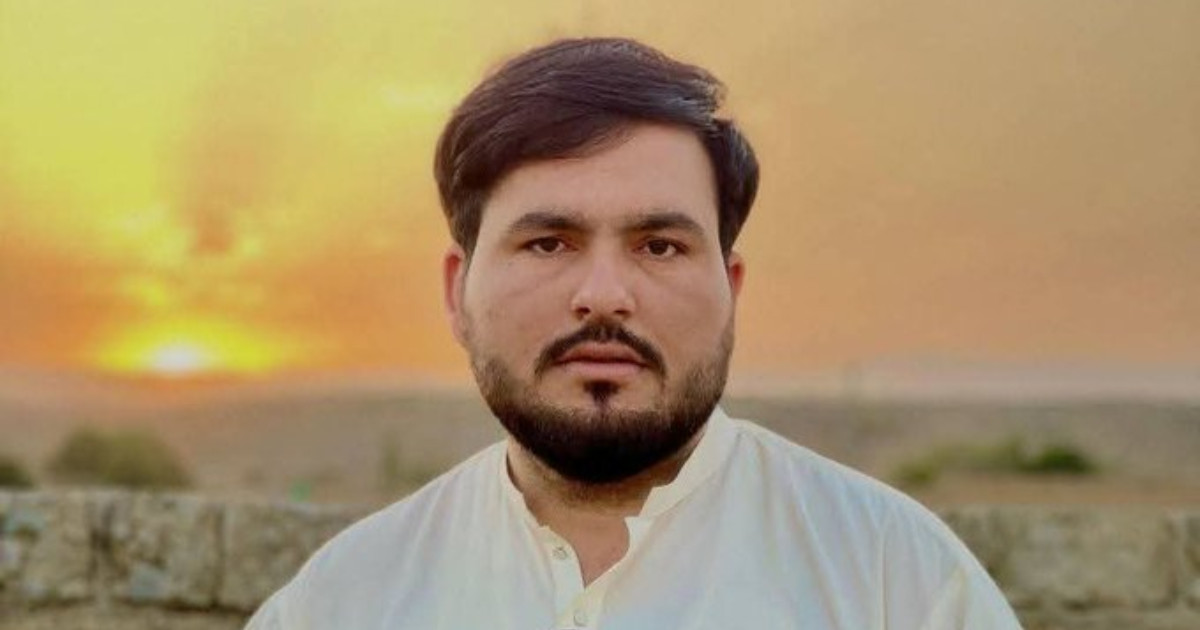
ISLAMABAD — Three years after journalist Arshad Sharif was shot dead by Kenyan police, justice remains out of reach. Despite a landmark Kenyan court ruling that declared his killing unlawful, no one has been held accountable, and the case continues to languish in appeals and investigations.
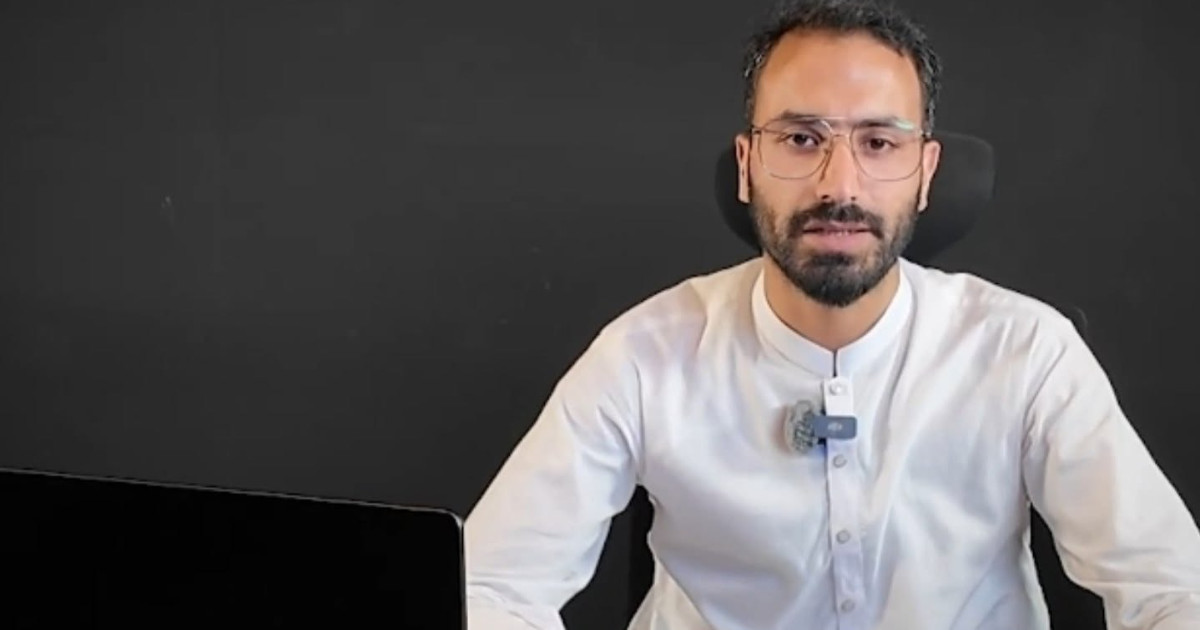
Sharif’s widow, Javeria Siddique, has become the face of an unyielding fight for justice that stretches from Islamabad to Nairobi. Her campaign has highlighted not only the failures of two justice systems but also the dangers facing journalists who dare to question power.
In July 2024, the High Court of Kajiado in Kenya ruled that Sharif’s killing was “unlawful, arbitrary, and unconstitutional.” The court ordered the Kenyan government to pay 10 million Kenyan shillings (about USD 78,000) in compensation to his family and directed authorities to complete investigations and prosecute those responsible.
But the ruling fell short of identifying or punishing the masterminds behind the attack. Kenya’s Independent Policing Oversight Authority (IPOA) has since filed an appeal, further delaying justice. The slow progress has deepened frustration among Sharif’s family and Pakistan’s media community, who see the case as a test of international accountability.
Arshad Sharif, one of Pakistan’s most prominent journalists, fled the country in August 2022 after facing multiple sedition cases and threats over his reporting. Known for his bold investigative work and criticism of powerful institutions, Sharif had hosted ARY News’s popular current-affairs program “Power Play.” He went into exile first in the UAE and later moved to Kenya, where he continued to live under threat.
On the night of October 23, 2022, Sharif was shot in the head by Kenyan police officers near Magadi Road, outside Nairobi. Authorities initially claimed it was a case of mistaken identity, alleging that the car he was in had failed to stop at a police checkpoint. The explanation sparked outrage and disbelief, with journalists and rights groups insisting the killing was a targeted assassination meant to silence him.
For Javeria, the court’s acknowledgment of wrongdoing is only a small step in a much longer journey. “The ruling elite is involved in my husband’s killing, and no justice is served,” she said. “It’s a brutal betrayal of trust and a gross violation of human rights.”
Her struggle has extended beyond the courtroom. In Pakistan, she has faced online harassment and smear campaigns. “My husband is no more, but I am alive and some people are trying to bury me alive as well,” she once said.
While Kenya’s judiciary has at least ruled on the unlawful nature of the killing, Pakistan’s own investigation remains stagnant. Siddique has publicly accused authorities of indifference, saying, “In my country today, there is no press freedom whatsoever.”
The killing of Arshad Sharif has become a stark reminder of the perilous environment for independent journalism in Pakistan. It underscores how threats to journalists do not stop at national borders and how impunity persists when governments fail to protect the truth-tellers.
His death and the ongoing legal struggle are now a global symbol of the fight for press freedom and justice. As appeals continue and investigations drag on, one question looms large: Will the world let another journalist’s murder fade into silence?
Justice for Arshad Sharif is justice for journalism and for every reporter who risks everything to speak truth to power.
Key Points
- Arshad Sharif was shot dead by Kenyan police in October 2022.
- A Kenyan court ruled his killing was unlawful but failed to identify the perpetrators.
- Javeria Siddique has faced online harassment while advocating for justice.
- The case exemplifies the risks faced by journalists and the struggle for press freedom.
- Calls for accountability highlight the inadequacies of both Kenyan and Pakistani justice systems.
Relevant Topics
Ask AI: Understand this story your way
AI EnabledDig deeper, ask anything — get instant context, background, and clarity.
Disclaimer: This feature is powered by AI and is intended to help readers explore and understand news stories more easily. While we strive for accuracy, AI-generated responses may occasionally be incomplete or reflect limitations in the underlying model. This feature does not represent the editorial views of JournalismPakistan. For our full, verified reporting, please refer to the original article.