
Why social media breaks news faster than TV in Pakistan
JournalismPakistan.com | Published: 7 February 2026 | JP Special Report
Join our WhatsApp channel
Social media in Pakistan often posts eyewitness videos and updates within minutes, while television channels take longer to verify, coordinate crews and comply with regulations. Analysts blame decentralized posting, smartphones and newsroom verification delay.Summary
ISLAMABAD — The gap between social media and traditional television news in Pakistan has become increasingly visible during major breaking events, including Friday's terrorist incident in the capital, Islamabad. In several cases, eyewitness accounts, short videos, and on-the-ground updates appeared on X, Facebook, and WhatsApp within minutes, while television channels took longer to begin live coverage.
Media analysts say this shift reflects structural differences between decentralized digital platforms and tightly regulated broadcast newsrooms operating under regulatory oversight and content restrictions. Social media users can post instantly without editorial clearance, while television networks must verify information, coordinate reporters, secure footage, and comply with broadcast regulations before going on air.
Newsroom economics and structural delays
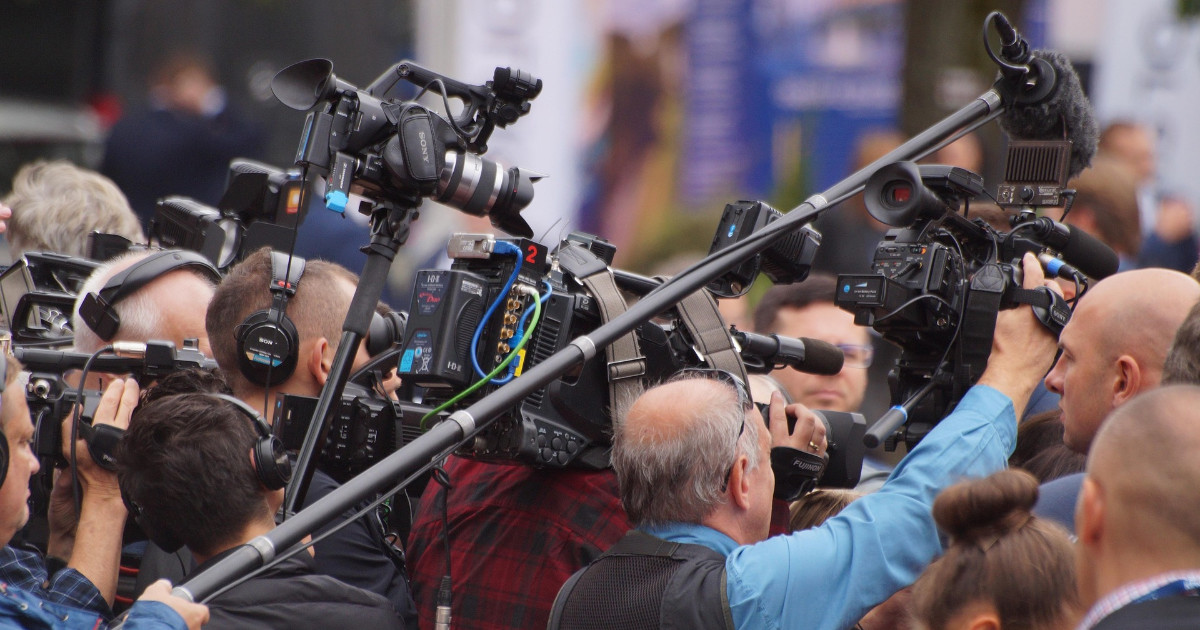
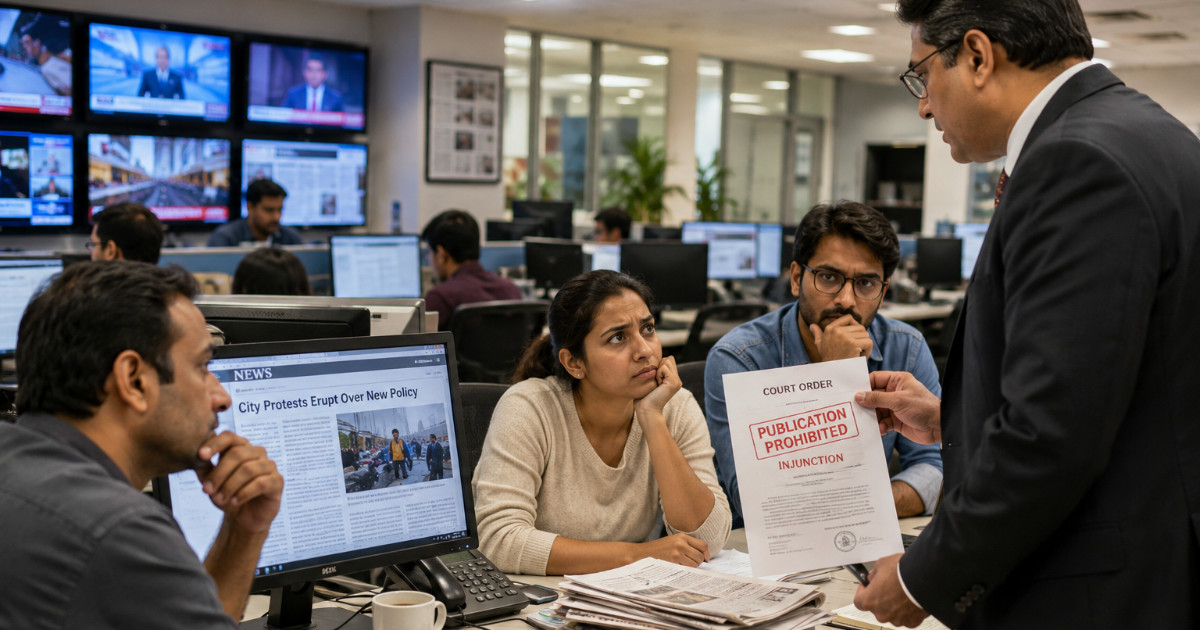
Television newsrooms in Pakistan operate within established editorial hierarchies. Field reporters relay information to assignment desks, which then seek confirmation from official sources such as police or district authorities before authorizing live broadcasts. Producers must also coordinate camera crews, satellite uplinks, studio anchors, and ticker updates. These processes, while designed to ensure accuracy and compliance with Pakistan Electronic Media Regulatory Authority guidelines, inevitably introduce delays.
By contrast, individuals at the scene of an incident can post images or videos directly from smartphones. According to DataReportal’s Digital 2024 Pakistan overview, Pakistan has more than 190 million cellular mobile connections and over 70 million social media users, underscoring the scale at which digital content can circulate rapidly. In breaking situations, this creates a distributed network of real-time contributors that television cannot easily match.
Verification and risk management
Editors and former newsroom managers note that television channels face legal and reputational risks when broadcasting unverified claims. In Pakistan, news organizations have previously faced regulatory notices, fines, or criticism over inaccurate or premature reporting during security incidents. As a result, many broadcasters now prioritize confirmation from multiple sources before going live.
Social media platforms operate differently. While they have content moderation policies, there is typically no pre-publication gatekeeping. This allows rapid dissemination but also increases the likelihood of misinformation. Independent fact-checking organizations in Pakistan have repeatedly documented instances in which early social media claims during emergencies later proved inaccurate or misleading.
Audience behavior and commercial pressures
Audience consumption patterns have also shifted. Younger Pakistanis increasingly rely on smartphones for news alerts, live streams, and user-generated updates. Real-time engagement on digital platforms often drives trending topics before television newsrooms adjust programming.
Commercial considerations may further shape broadcast timing. Television channels depend heavily on advertising revenue and scheduled programming. Interrupting regular content requires editorial and management approval. Digital-native outlets, by contrast, can publish updates immediately without disrupting a fixed schedule.
Industry analysts caution, however, that speed alone does not determine credibility. Surveys by organizations such as the Reuters Institute for the Study of Journalism have found that trust in news often correlates with perceived verification and institutional reputation rather than speed of publication.
Regional relevance and evolving newsroom models
In response to digital competition, many Pakistani television networks have expanded their social media teams, introduced real-time web desks, and integrated cross-platform publishing strategies. Breaking news is increasingly pushed first to digital accounts, sometimes before full television coverage begins. This hybrid model reflects recognition that audience expectations have permanently shifted toward immediacy.
Media experts argue that the challenge is not choosing between speed and accuracy but integrating both. Some newsrooms have adopted live blogs, verified user-generated content desks, and rapid response editorial protocols to narrow the gap with social media while maintaining professional standards.
The broader trend mirrors global developments. Internationally, television networks have also had to adapt to citizen journalism and mobile-first audiences. Pakistan’s media ecosystem, shaped by security concerns, regulatory oversight, and intense political polarization, amplifies the tension between rapid reporting and responsible broadcasting.
WHY THIS MATTERS: The speed gap between social media and television highlights the need for Pakistani newsrooms to refine verification workflows without sacrificing competitiveness. Media organizations must invest in digital-first strategies, real-time monitoring, and audience engagement while maintaining editorial safeguards. The debate underscores how newsroom structure, regulation, and economics directly shape how quickly information reaches the public.
ATTRIBUTION: Information drawn from publicly available reports by DataReportal Digital 2024 Pakistan overview, the Reuters Institute for the Study of Journalism, and regulatory guidelines issued by the Pakistan Electronic Media Regulatory Authority.
Key Points
- Social platforms publish eyewitness posts and short videos within minutes of incidents.
- Television newsrooms require verification, coordination of crews and regulatory compliance, causing delays.
- Established newsroom hierarchies and assignment desks add procedural lag before live broadcasts.
- Smartphone ubiquity and decentralized posting enable faster on-the-ground updates.
- Analysts note a trade-off between speed on social media and verification standards in broadcast media.
Relevant Topics
Ask AI: Understand this story your way
AI EnabledDig deeper, ask anything — get instant context, background, and clarity.
Disclaimer: This feature is powered by AI and is intended to help readers explore and understand news stories more easily. While we strive for accuracy, AI-generated responses may occasionally be incomplete or reflect limitations in the underlying model. This feature does not represent the editorial views of JournalismPakistan. For our full, verified reporting, please refer to the original article.