
Five reasons slow news days strengthen journalism
JournalismPakistan.com | Published: 19 April 2026 | JP Staff Report
Join our WhatsApp channel
As newsrooms face rapid cycles, slow news days allow time for verification, deeper enterprise reporting and practices that boost accuracy and newsroom resilience. Editors say these periods help counter misinformation and sustain long-form reporting.Summary
ISLAMABAD—In a media environment driven by speed, competition, and constant updates, slow news days are often seen as unproductive gaps in the cycle. Yet for journalists and editors, these quieter periods can play a critical role in improving the depth, accuracy, and overall quality of reporting. As newsrooms worldwide grapple with misinformation, burnout, and shrinking resources, slow days offer opportunities that fast-paced cycles rarely allow.
While breaking news dominates audience attention, the absence of urgency can shift focus toward reflection, verification, and long-term storytelling. Media experts and newsroom leaders increasingly argue that these moments are not a lull, but a strategic advantage.
Time to verify and fact-check more rigorously
One of the most immediate benefits of a slow news day is the ability to prioritize verification over speed. Journalists can revisit sources, cross-check claims, and ensure that facts are accurate before publication—reducing the risk of errors that often occur under deadline pressure.
This is particularly important in an era where misinformation spreads rapidly online. Slower cycles allow reporters to scrutinize viral claims, consult multiple sources, and provide context that might otherwise be overlooked during breaking news situations.
Opportunity for deeper, enterprise reporting
With fewer immediate stories to chase, journalists can dedicate time to in-depth reporting. Investigative pieces, feature stories, and explanatory journalism often require sustained attention that is difficult to achieve during busy news cycles.
These stories not only add value for readers but also help news organizations differentiate themselves in a crowded media landscape. Enterprise reporting can uncover systemic issues, highlight underreported communities, and provide analysis that goes beyond daily headlines.
Room for editorial reflection and planning
Slow days give editors and newsroom managers a chance to reassess priorities, review ongoing coverage, and plan future stories. This includes identifying gaps in reporting, refining editorial strategies, and aligning coverage with audience needs.
Such reflection is essential for maintaining consistency and quality, especially for digital platforms that must balance speed with credibility. It also allows teams to evaluate performance metrics and adjust content strategies accordingly.
Improved mental well-being for journalists
The relentless pace of modern journalism can contribute to stress and burnout. Slow news days provide a rare opportunity for journalists to regroup, reduce workload intensity, and maintain mental well-being.
This pause can lead to better decision-making, clearer writing, and more thoughtful reporting. In the long run, healthier journalists are more likely to produce high-quality, ethical journalism.
Chance to engage audiences differently
When hard news slows down, newsrooms can experiment with alternative formats such as explainers, data-driven pieces, newsletters, and audience engagement initiatives. These formats can strengthen reader trust and expand reach.
Slow days also allow for revisiting important but overlooked topics, offering audiences a more balanced and comprehensive understanding of current affairs beyond the immediate news cycle.
WHY THIS MATTERS: For Pakistani journalists, slow news days can be used strategically to counter misinformation, strengthen fact-checking practices, and invest in investigative reporting, areas often constrained by daily deadlines. They also offer an opportunity to build audience trust through deeper, more contextual storytelling, which remains a key challenge in Pakistan’s fast-evolving media landscape.
ATTRIBUTION: Reporting by JournalismPakistan, based on publicly available analyses and newsroom practices discussed by media development organizations, including the Reuters Institute for the Study of Journalism and the Committee to Protect Journalists.
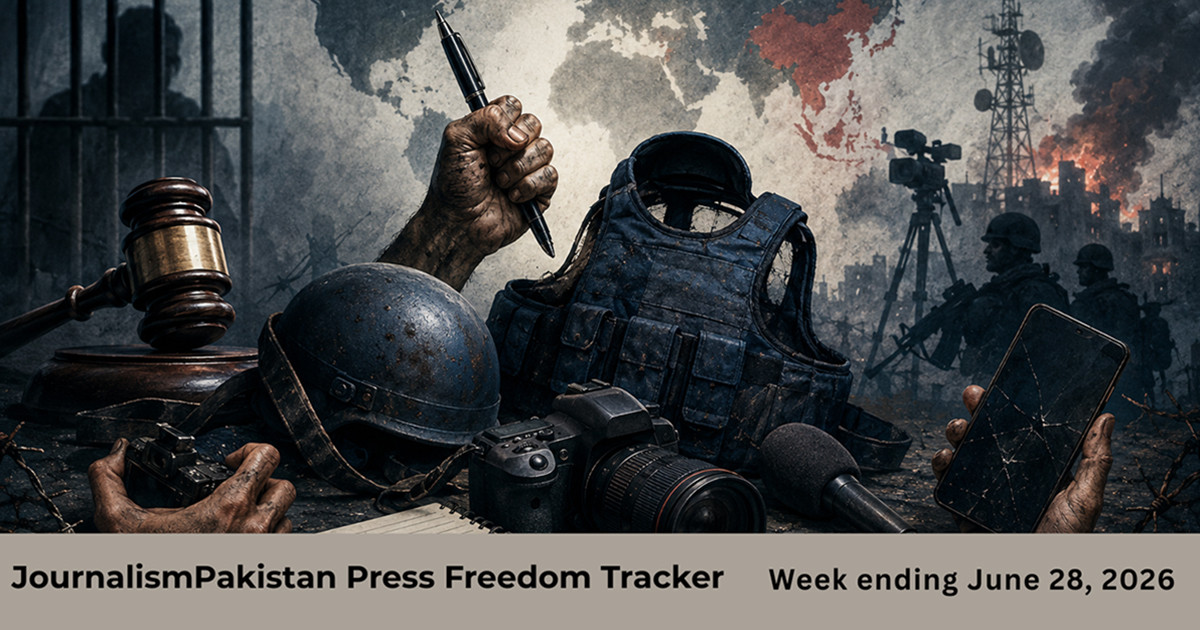
PHOTO: AI-generated; for illustrative purposes only.
Key Points
- Prioritize verification and fact-checking, revisiting sources and corroborating claims.
- Create opportunities for investigative and enterprise reporting that require sustained attention.
- Produce contextual and explanatory journalism to deepen audience understanding.
- Reduce errors and help combat misinformation through careful review and sourcing.
- Enable editorial planning, staff rest, and progress on long-term projects.
Key Questions & Answers
What is a slow news day?
A period with fewer breaking events where newsrooms face less immediate pressure, allowing more time for in-depth work.
How do slow days improve verification?
Journalists can revisit sources and cross-check claims more thoroughly, which reduces the risk of publishing errors.
Can slow news days help combat misinformation?
Yes; slower cycles allow reporters to scrutinise viral claims and provide necessary context before publication.
How can newsrooms use slow days productively?
Edit teams can focus on investigative reporting, fact-checking, audience engagement, and staff rest to sustain quality coverage.
Relevant Topics
Ask AI: Understand this story your way
AI EnabledDig deeper, ask anything — get instant context, background, and clarity.
Disclaimer: This feature is powered by AI and is intended to help readers explore and understand news stories more easily. While we strive for accuracy, AI-generated responses may occasionally be incomplete or reflect limitations in the underlying model. This feature does not represent the editorial views of JournalismPakistan. For our full, verified reporting, please refer to the original article.