
Czech media workers protest public broadcasting funding plan
JournalismPakistan.com | Published: 23 June 2026 | JP Global Monitoring
Join our WhatsApp channel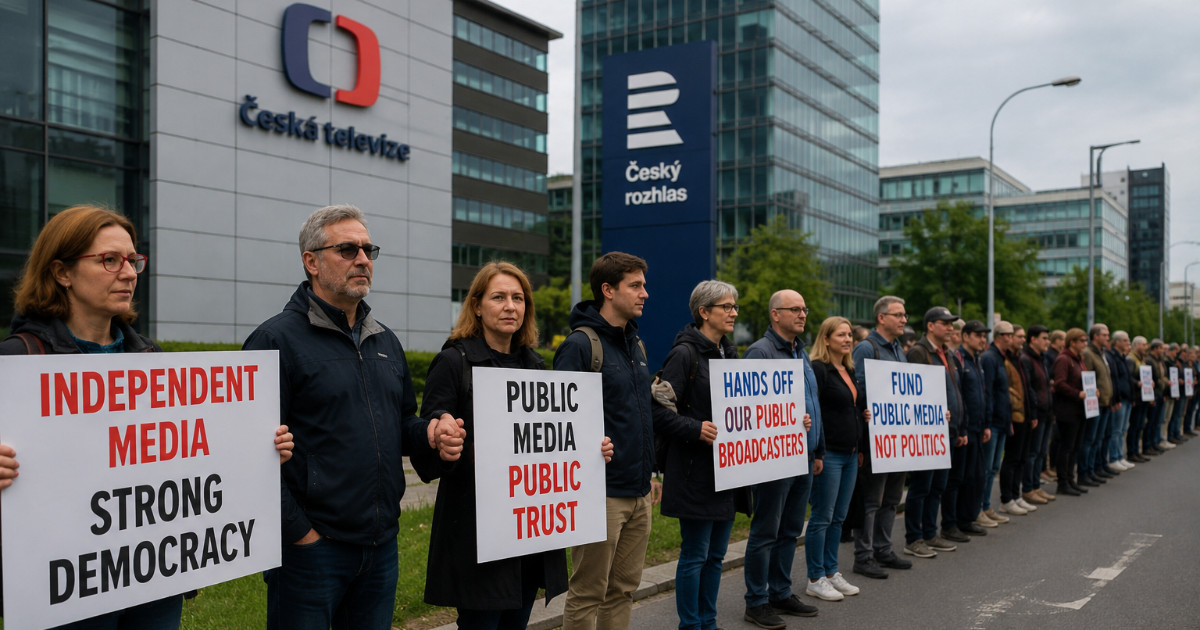
Journalists and staff at Czech Television and Czech Radio held a warning strike and formed a human chain in Prague to protest government plans to replace the licence-fee system with direct state-budget financing, warning the change could undermine editorial independence and increase political pressure.Summary
PRAGUE — Journalists and staff at Czech Television and Czech Radio staged a warning strike and formed a human chain in Prague on June 22 to protest government plans to replace the country's television and radio license-fee system with direct financing from the state budget. The demonstration brought together employees from the two public-service broadcasters, who say the proposed change could undermine editorial independence and expose newsrooms to greater political pressure.
Media organizations and journalist groups have warned that shifting funding from a dedicated public fee to annual government budget allocations could make broadcasters more vulnerable to political influence. Critics argue that public-service media require stable and independent financing mechanisms to safeguard impartial journalism and public-interest reporting.
Concerns over editorial independence
Protest organizers said the proposal could allow future governments to exert greater control over funding decisions, potentially affecting newsroom priorities and editorial autonomy. They also warned that uncertainty over budget allocations could result in financial constraints, staffing reductions, and cuts to programming.
The warning strike comes amid broader European debates about the governance and financing of public-service media. Press freedom advocates have increasingly expressed concern over attempts in several countries to reshape media funding structures in ways that could affect editorial independence.
Public broadcasters face financial uncertainty
Supporters of the current system argue that license fees provide a degree of separation between public broadcasters and political authorities. They contend that direct state funding could make broadcasters more dependent on government decisions and reduce long-term financial predictability.
The protest highlighted growing tensions over the future of public broadcasting in the Czech Republic, where public-service media play a significant role in television, radio, and online news coverage. The outcome of the funding debate is being closely watched by media organizations across Europe as governments reassess media financing models.
European implications
The Czech dispute has drawn attention beyond the country because it touches on a broader issue facing public-service media worldwide: how to secure sustainable funding while maintaining editorial independence. Media experts note that financing structures can significantly influence public trust, newsroom stability, and the ability of broadcasters to hold governments accountable.
As discussions continue, journalist groups are expected to maintain pressure on policymakers to preserve safeguards that protect public-service broadcasting from political interference.
WHY THIS MATTERS: The Czech dispute underscores the importance of independent funding mechanisms for public-service media. For journalists and media organizations, the debate highlights how financing structures can affect editorial freedom, newsroom stability, and public trust. The outcome may influence discussions on public broadcasting models elsewhere in Europe and beyond.
ATTRIBUTION: Reporting by JournalismPakistan, based on publicly available reports and statements from Czech media organizations and journalist groups reported on June 22, 2026.
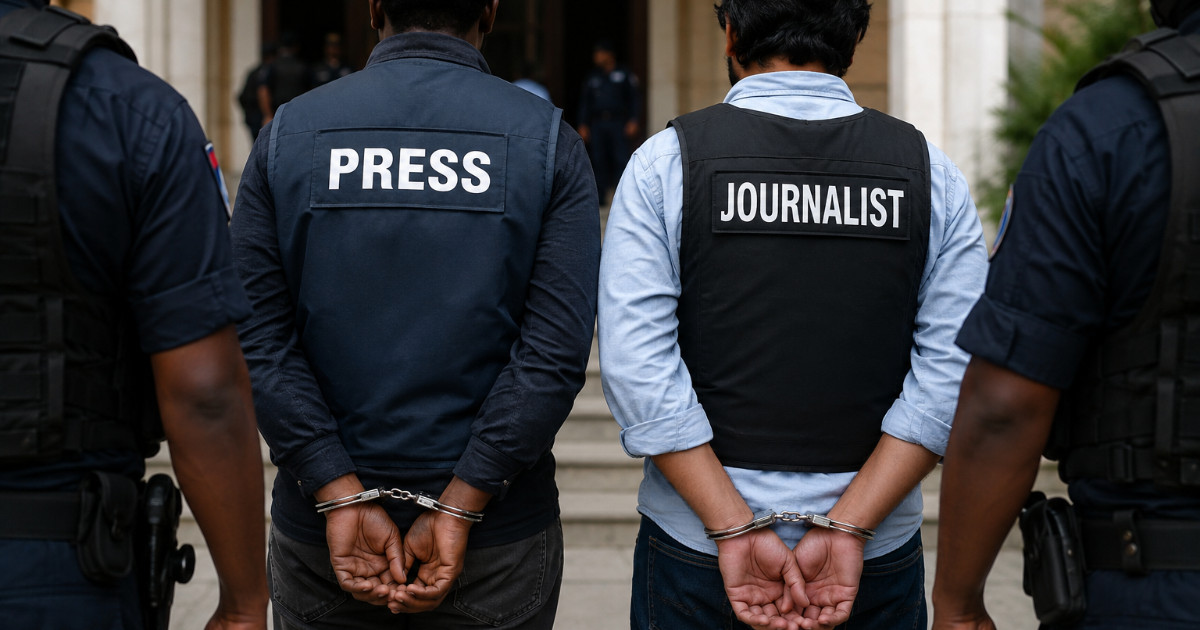
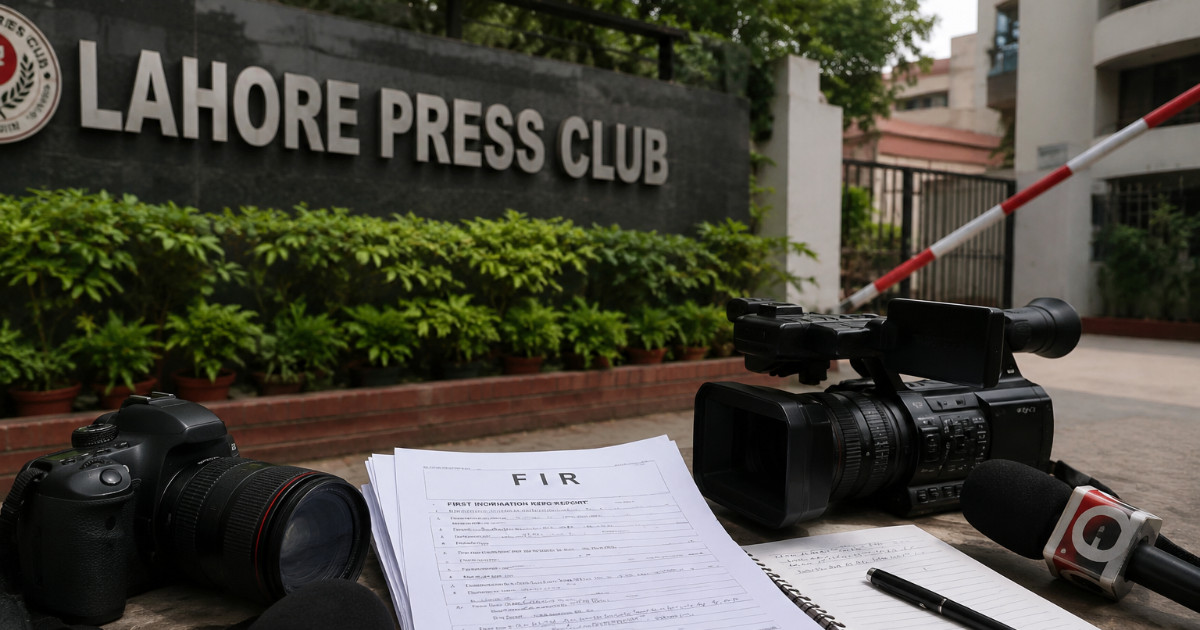
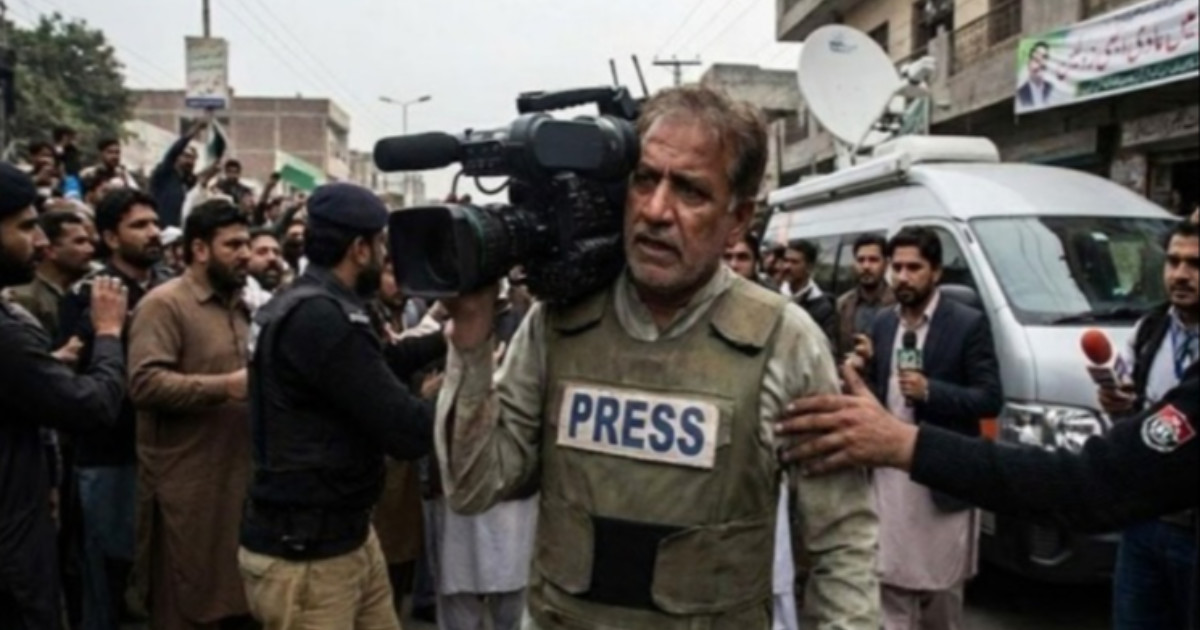
PHOTO: AI-generated; for illustrative purposes only.
Key Points
- Employees of Czech Television and Czech Radio staged a warning strike and formed a human chain in Prague.
- The protest opposed plans to replace the licence-fee system with direct state-budget funding.
- Organizers warned the change could undermine editorial independence and invite political pressure.
- Concerns include unstable annual budgets, potential staffing cuts, and reduced public-interest programming.
- The action is part of a wider European debate over governance and financing of public-service media.
Key Questions & Answers
Why did employees protest?
They opposed government plans to replace the dedicated licence-fee funding with direct annual allocations from the state budget, fearing loss of financial independence.
What actions did they take?
Staff at Czech Television and Czech Radio staged a warning strike and formed a human chain in Prague to draw attention to the proposal and its risks.
How could the funding change affect editorial independence?
Shifting to state budget financing could make broadcasters vulnerable to political influence over funding decisions, potentially affecting newsroom priorities and reporting.
Are there wider implications beyond the Czech Republic?
Yes. The move feeds into broader European concerns about public-service media governance and the need for stable, independent financing to safeguard impartial journalism.
Relevant Topics
Ask AI: Understand this story your way
AI EnabledDig deeper, ask anything — get instant context, background, and clarity.
Disclaimer: This feature is powered by AI and is intended to help readers explore and understand news stories more easily. While we strive for accuracy, AI-generated responses may occasionally be incomplete or reflect limitations in the underlying model. This feature does not represent the editorial views of JournalismPakistan. For our full, verified reporting, please refer to the original article.