
How misinformation spreads during breaking news
JournalismPakistan.com | Published: 20 February 2026 | JP Staff Report
Join our WhatsApp channel
Rapid digital publishing during crises often precedes verification, so unverified posts, recycled footage and anonymous claims can be amplified by engagement-driven algorithms. In Pakistan and globally, this fuels confusion, reputational damage and safety risks.Summary
ISLAMABAD — When major events unfold, the speed of digital publishing often outpaces verification, creating fertile ground for misinformation to spread across social media and even mainstream news platforms. Researchers and media monitoring groups have consistently found that during crises such as terror attacks, natural disasters, political unrest, or high-profile deaths, false or misleading claims circulate rapidly before official confirmation is available.
In Pakistan and globally, breaking news environments have repeatedly shown how unverified videos, recycled images, and anonymous claims can gain traction within minutes, amplified by algorithms that reward engagement over accuracy. The result is confusion, reputational damage, and in some cases, threats to public safety.
How false claims gain traction
During breaking news, three conditions typically converge: limited verified information, high public anxiety, and intense competition among news outlets. In this environment, social media posts from eyewitnesses, influencers, or partisan accounts are often treated as provisional sources rather than unverified leads.
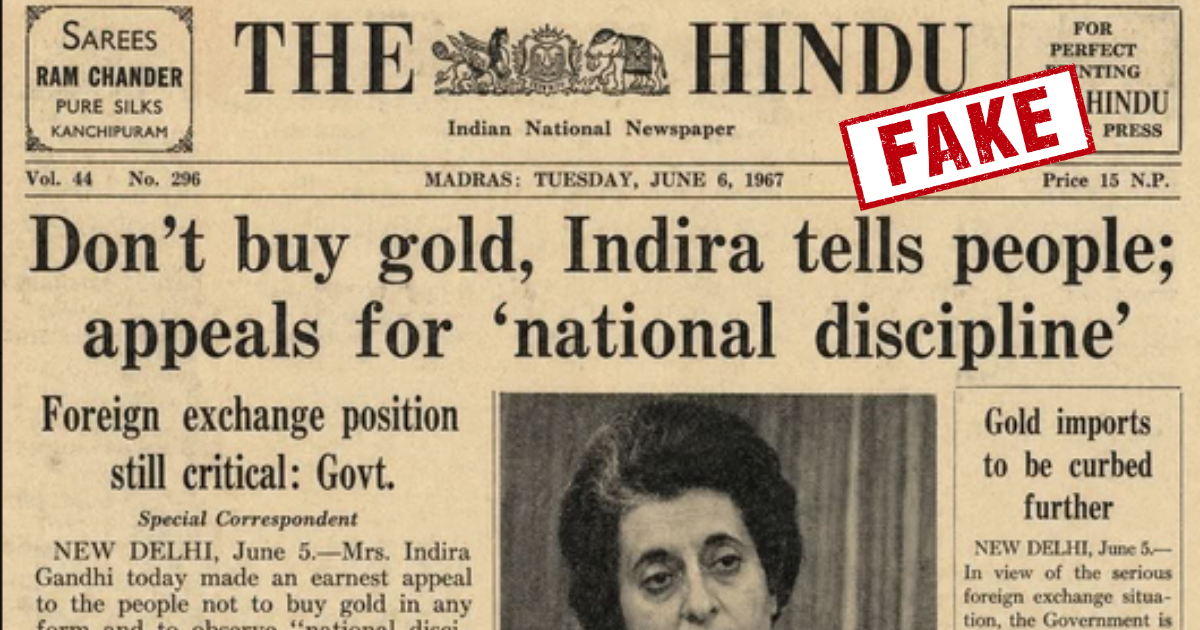
In Pakistan, false information has circulated during major incidents such as terrorist attacks and political protests, with old footage from unrelated events being reshared as current. During episodes of internet disruption or platform restrictions, screenshots and voice notes have frequently substituted for confirmed reporting, complicating verification efforts for newsrooms.
Globally, similar patterns were documented during events such as the 2023 Israel-Gaza war escalation, where miscaptioned videos and AI-generated images circulated widely before being debunked by fact-checking organizations, including the Poynter Institute’s International Fact-Checking Network. In the United States, mass shooting incidents have also been followed by waves of misidentifications and conspiracy narratives that forced corrections by both social media users and established media outlets.
Role of algorithms and virality
Digital platforms prioritize content that generates rapid engagement. According to studies published by the Massachusetts Institute of Technology, false information can spread faster than factual reporting because it often evokes stronger emotional reactions, such as shock or anger.
In Pakistan, platforms such as Facebook, X, and WhatsApp play a central role in information dissemination. Closed messaging groups, in particular, make it difficult to track the origin of viral claims. Voice notes and edited clips frequently circulate without timestamps or sourcing, allowing rumors to morph quickly into perceived facts.
Internationally, platform policy shifts have also influenced moderation capacity. Changes to content moderation structures at companies like X have been scrutinized by researchers and regulators concerned about real-time misinformation during elections and conflicts.
Newsroom pressures and verification gaps
Breaking news demands speed, but the pressure to publish first can undermine editorial safeguards. In Pakistan’s competitive television news environment, tickers and on-air commentary sometimes rely on preliminary or unofficial information. Corrections, when issued, may not receive the same prominence as the initial claim.
Globally, several outlets have acknowledged premature reporting during fast-moving events. Media ethicists emphasize that labeling information as “unconfirmed,” verifying the geolocation of videos, and consulting multiple independent sources remain essential safeguards even under deadline pressure.
Fact-checking organizations in Pakistan, including Soch Fact Check and AFP Fact Check Pakistan, have documented recurring patterns of recycled imagery and manipulated content during elections and security crises. Their findings highlight the importance of digital literacy and newsroom verification protocols.
WHY THIS MATTERS: For Pakistani journalists and media organizations, misinformation during breaking news can undermine public trust and expose outlets to legal, regulatory, or reputational risks. Strengthening verification workflows, investing in visual forensics skills, and clearly communicating uncertainty can protect newsroom credibility. In an era of algorithm-driven amplification, professional skepticism is not just an ethical practice but a competitive advantage.
ATTRIBUTION: This explainer draws on publicly documented research by the Massachusetts Institute of Technology, reporting and guidance from the Poynter Institute’s International Fact-Checking Network, and fact-check archives from Soch Fact Check and AFP Fact Check Pakistan.
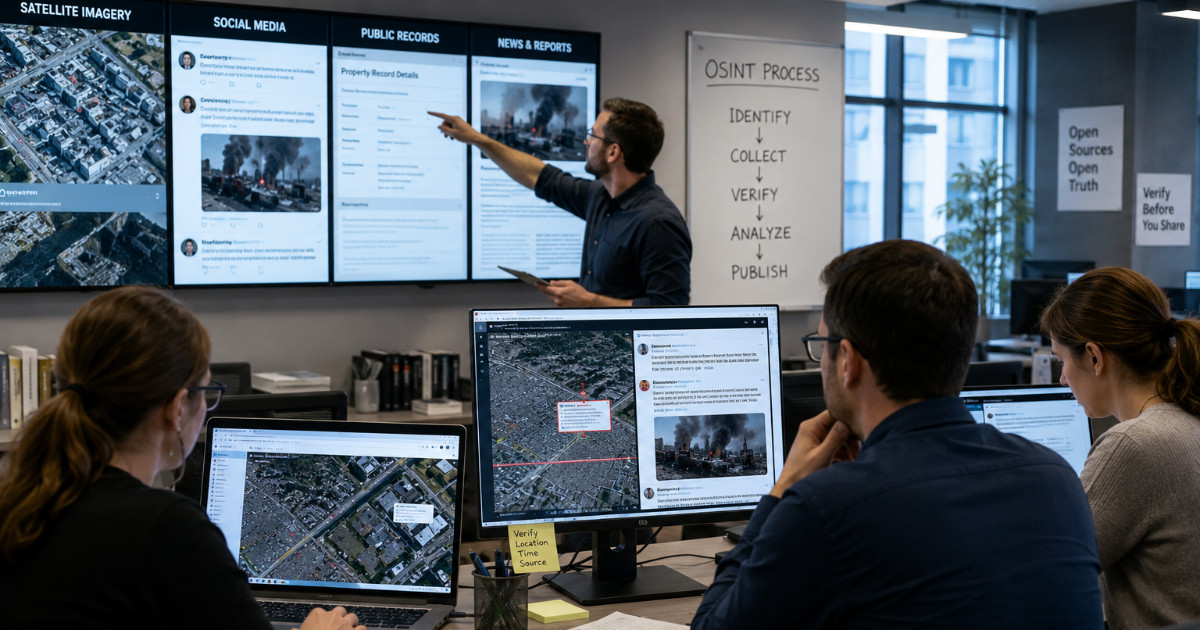
PHOTO: AI-generated; for illustrative purposes only.
Key Points
- Rapid publishing during breaking news often outpaces verification, creating gaps that false claims exploit.
- Engagement-driven algorithms amplify sensational or emotional unverified content.
- Old footage, recycled images and anonymous claims are frequently misattributed as current eyewitness evidence.
- Internet disruptions and platform restrictions lead to reliance on screenshots and voice notes that are harder to verify.
- Consequences include public confusion, reputational damage and potential threats to safety.
Key Questions & Answers
Why does misinformation spread faster during breaking news?
Verification is time-consuming while the public and media demand immediate updates; that gap lets unverified claims circulate quickly.
How do algorithms contribute to the problem?
Algorithms prioritize engagement and may boost sensational or emotional posts; this can amplify false or misleading content before it is checked.
What verification challenges do newsrooms face?
Newsrooms contend with limited confirmed information, recycled media, anonymous sources and platform restrictions that complicate rapid fact-checking.
How can the public help reduce spread of false claims?
Delay sharing unverified material, check credible sources and look for corroboration from official or reputable outlets before reposting.
Relevant Topics
Ask AI: Understand this story your way
AI EnabledDig deeper, ask anything — get instant context, background, and clarity.
Disclaimer: This feature is powered by AI and is intended to help readers explore and understand news stories more easily. While we strive for accuracy, AI-generated responses may occasionally be incomplete or reflect limitations in the underlying model. This feature does not represent the editorial views of JournalismPakistan. For our full, verified reporting, please refer to the original article.