.png)
UNESCO warns South Korea's fake news law risks press freedom
JournalismPakistan.com | Published: 12 January 2026 | JP Asia Desk
Join our WhatsApp channel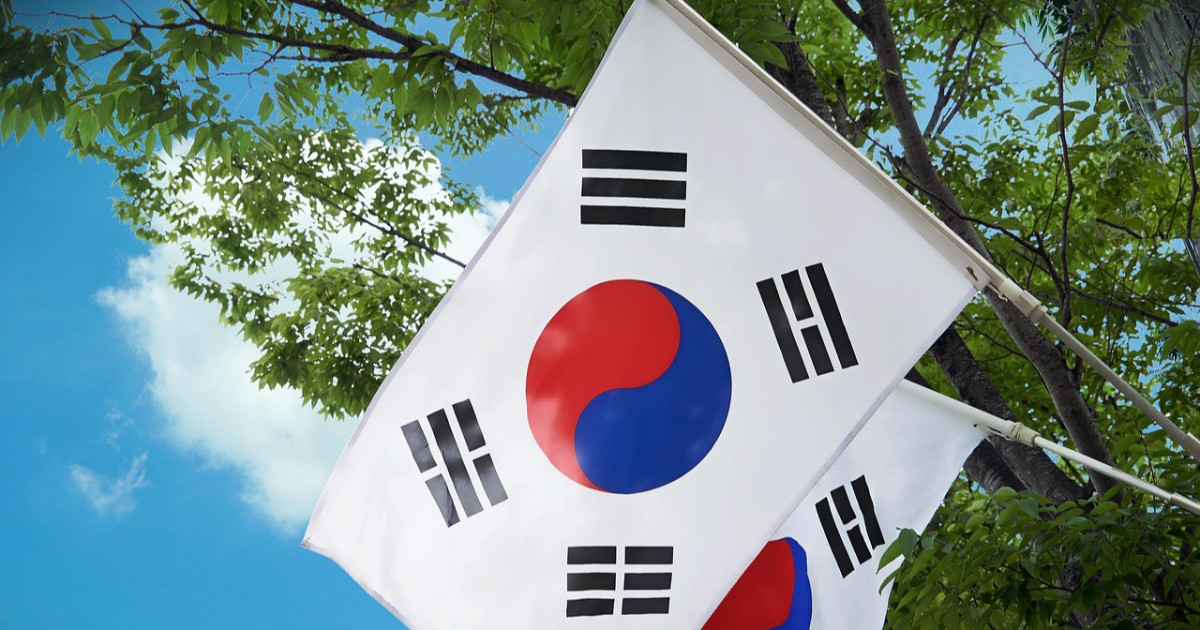
UNESCO criticized South Korea's new law targeting 'fake news', saying vague definitions and wide enforcement powers could enable censorship, chill journalism and weaken public interest reporting; it urged clearer, proportionate legal safeguards.Summary
SEOUL — UNESCO has publicly criticized a new South Korean law aimed at tackling what authorities describe as fake news, warning that vague definitions and expansive enforcement powers could undermine press freedom and chill independent journalism. The United Nations agency cautioned that poorly defined regulations risk enabling censorship rather than strengthening media integrity in one of Asia’s most dynamic information environments.
The comments place South Korea at the center of a broader global debate over how governments should respond to disinformation without eroding fundamental rights. UNESCO stressed that journalists require clear legal protections to report critically on those in power without fear of legal reprisals or administrative pressure.
Concerns over vague definitions and enforcement powers
UNESCO said the law’s broad framing could allow authorities to interpret fake news in ways that penalize legitimate reporting, commentary, or investigative journalism. According to the agency, international human rights standards require that any restrictions on expression be precise, proportionate, and necessary, especially when they affect news media and public interest reporting.
The organization emphasized that ambiguity in legal language can lead to self-censorship, as journalists and editors may avoid sensitive topics to reduce legal risk. This effect, UNESCO noted, can weaken public trust by narrowing the range of viewpoints and information available to audiences.
Balancing disinformation controls and press freedom
South Korean officials have argued that stronger legal tools are needed to address online falsehoods that can spread rapidly through social media and messaging platforms. The challenge, UNESCO said, is ensuring that such measures focus on demonstrably harmful disinformation while safeguarding freedom of expression and media independence.
The debate reflects a wider tension seen in many democracies, where governments face public pressure to curb online harms while media organizations warn against laws that may be used to silence criticism. UNESCO reiterated that effective responses to disinformation should prioritize transparency, independent oversight, and support for quality journalism rather than punitive controls.
Regional implications for media regulation
As a major media and technology hub in East Asia, South Korea’s regulatory choices are closely watched across the region. Media advocates note that laws adopted in influential markets can shape policy approaches elsewhere, potentially setting precedents for how fake news is defined and enforced.
UNESCO urged policymakers to engage with journalists, civil society groups, and legal experts to ensure that any anti-disinformation framework aligns with global free expression norms. The agency underscored that protecting independent journalism is essential for democratic accountability and informed public debate.
ATTRIBUTION: Reporting based on public statements and policy guidance issued by UNESCO, with contextual analysis drawing on widely documented international free expression standards.
PHOTO: By Big_Heart from Pixabay
Key Points
- UNESCO warns vague legal terms could allow authorities to classify legitimate reporting as fake news.
- The law grants broad enforcement powers that may be used to punish critical journalism.
- Ambiguity can prompt self-censorship, narrowing public information and eroding trust.
- UNESCO urges clear, precise, proportionate and necessary safeguards to protect press freedom.
- The case highlights tensions between countering disinformation and upholding human rights.
Relevant Topics
Ask AI: Understand this story your way
AI EnabledDig deeper, ask anything — get instant context, background, and clarity.
Disclaimer: This feature is powered by AI and is intended to help readers explore and understand news stories more easily. While we strive for accuracy, AI-generated responses may occasionally be incomplete or reflect limitations in the underlying model. This feature does not represent the editorial views of JournalismPakistan. For our full, verified reporting, please refer to the original article.