.png)
How newspapers make money in 2026
JournalismPakistan.com | Published: 22 June 2026 | JP Staff Report
Join our WhatsApp channel
In 2026, newspapers have diversified income streams beyond traditional print advertising and sales, relying on digital subscriptions, sponsored content, events, memberships and online ads. For many Pakistani papers, government advertising remains a major revenue source.Summary
ISLAMABAD — Newspapers have undergone a dramatic transformation over the past two decades. Once heavily reliant on print advertising and newsstand sales, publishers today operate in a vastly different media environment shaped by digital platforms, changing reader habits, and declining print circulation.
In 2026, successful newspaper organizations generate revenue from multiple sources, including digital subscriptions, sponsored content, events, memberships, and online advertising. Yet for many newspapers in Pakistan, government advertising remains a critical source of income, highlighting both the opportunities and challenges facing the country's print media industry.
The end of the traditional business model
For much of the 20th century, newspapers relied on a relatively simple formula: attract readers and sell advertising space. Advertising revenue often accounted for the majority of a newspaper's income, while subscriptions and single-copy sales provided additional support.
The rise of the internet disrupted that model. Readers increasingly turned to websites, social media platforms, and mobile apps for news. At the same time, advertisers shifted their budgets toward digital platforms that offered targeted advertising and detailed audience data.
As a result, newspapers around the world were forced to rethink how they fund journalism.
Advertising remains an important revenue source
Despite industry changes, advertising continues to be a major source of income for many newspapers.
Print editions still carry display advertisements from businesses, retailers, educational institutions, and government agencies. Some newspapers also generate revenue through classified advertisements, although this segment has declined significantly due to online alternatives.
Digital advertising has become increasingly important. Publishers earn income from website banners, video advertisements, sponsored newsletters, and programmatic advertising systems that automatically place ads based on audience data.
However, digital advertising revenue is often shared among numerous competitors, including technology giants that dominate the online advertising market.
The rise of digital subscriptions
Many newspapers now ask readers to pay directly for access to quality journalism.
Digital subscription models have become common among major international publishers. Readers may encounter paywalls that limit access to premium content unless they subscribe.
Some organizations offer different subscription tiers, including digital-only access, print-and-digital packages, and premium memberships with exclusive benefits.
The shift toward reader revenue reflects a broader industry effort to reduce dependence on advertising alone.
Memberships and reader support
Not all publishers use traditional subscription models.
Some rely on memberships, donations, or voluntary contributions from readers who wish to support independent journalism. These programs often provide benefits such as exclusive newsletters, behind-the-scenes content, webinars, or invitations to special events.
The model has gained popularity among nonprofit and investigative news organizations that prioritize public-interest reporting.
Sponsored content and brand partnerships
Many publishers supplement their income through sponsored content, also known as native advertising.
These articles are produced in collaboration with advertisers and designed to provide useful information while promoting a company, product, or service. Ethical publishers clearly label such content to distinguish it from independent editorial reporting.
Brand partnerships have become an increasingly important source of revenue as traditional advertising markets continue to evolve.
Events have become a media business
Newspapers are no longer just publishers of news.
Many media organizations now host conferences, awards programs, leadership forums, training workshops, and public discussions. These events generate income through sponsorships, ticket sales, and partnerships.
For some publishers, events have become a significant business division that complements their journalism operations.
New revenue opportunities
The modern newspaper business extends far beyond print.
Publishers increasingly earn money from podcasts, video content, research reports, educational courses, data services, e-commerce partnerships, and specialized newsletters.
Artificial intelligence is also creating new opportunities. Some news organizations are experimenting with AI-powered products that help readers access information more efficiently while creating additional revenue streams.
Why government advertising matters in Pakistan
While many international publishers have diversified their income sources, the situation in Pakistan remains different.
Government advertising continues to play a crucial role in the financial health of many newspapers, particularly regional and smaller publications that have limited access to subscription revenue or large private-sector advertising budgets.
Federal and provincial government departments regularly place advertisements related to public information campaigns, recruitment notices, tenders, and official announcements. For some newspapers, these advertisements represent a substantial portion of overall revenue.
Industry observers have long noted that fluctuations in government advertising spending can have a direct impact on newspaper finances. Delays in payments, reductions in advertising budgets, or changes in advertisement allocation policies can place additional financial pressure on media organizations already coping with rising production costs.
The issue has frequently been raised by media owners and journalist organizations, which argue that sustainable journalism requires diverse revenue sources and predictable business conditions.
Rising costs add to industry pressures
At the same time, newspapers face increasing operational expenses.
The cost of newsprint, printing, distribution, fuel, and labor has risen significantly in many countries, including Pakistan. Currency fluctuations and inflation have further increased financial pressures on publishers.
These challenges have forced some newspapers to reduce page counts, cut costs, scale back print operations, or accelerate digital transformation efforts.
The search for sustainability
The future of newspapers will likely depend on their ability to diversify revenue while maintaining public trust.
Around the world, publishers are experimenting with new business models that combine advertising, subscriptions, memberships, events, and digital products. Success increasingly depends on building strong relationships with audiences and offering journalism that readers consider valuable enough to support financially.
For Pakistani newspapers, government advertising is likely to remain an important source of income in the near term. However, many industry experts believe long-term sustainability will require broader revenue diversification, greater digital innovation, and stronger reader engagement.
A business in transition
Newspapers in 2026 are no longer supported by a single revenue stream. The modern media business is built on a mix of advertising, reader payments, sponsorships, events, and digital services.
While publishers worldwide continue to adapt to changing market realities, Pakistan's newspaper industry faces a unique challenge: balancing the financial importance of government advertising with the need to develop more diverse and sustainable sources of revenue.
The evolution of that balance may help determine the future of print journalism in the country.
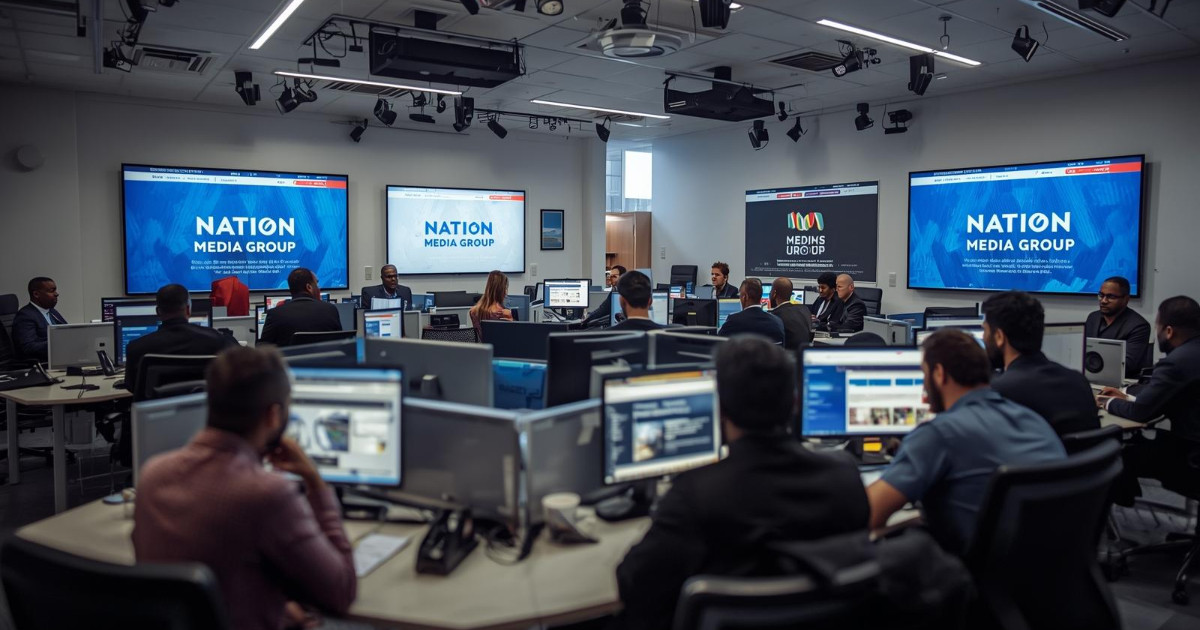
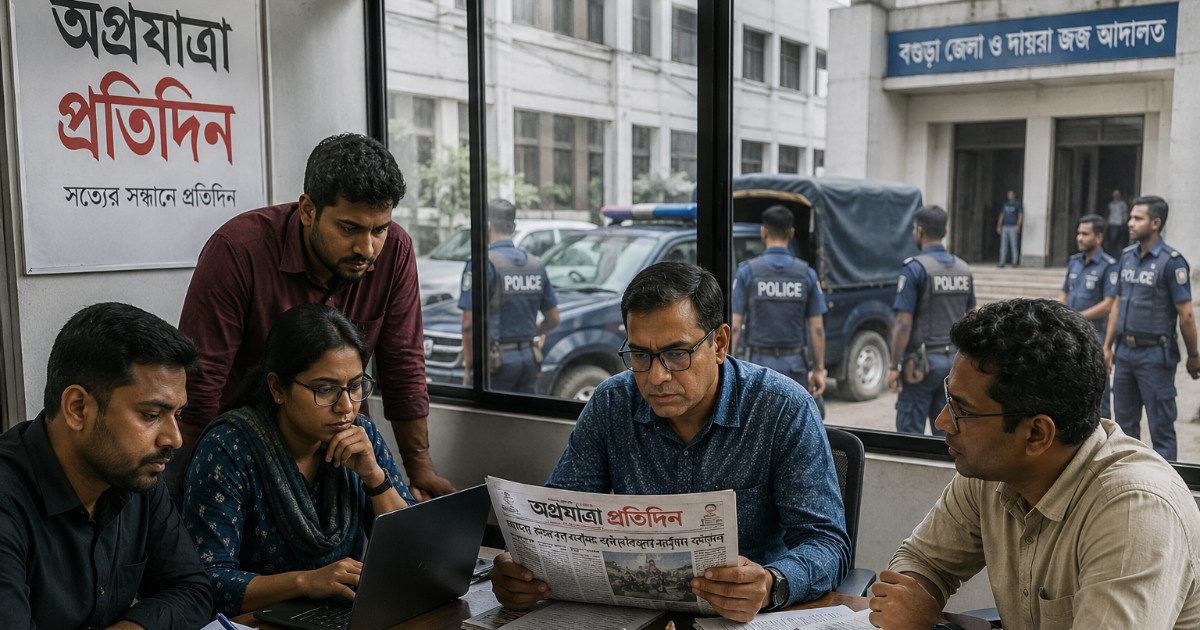
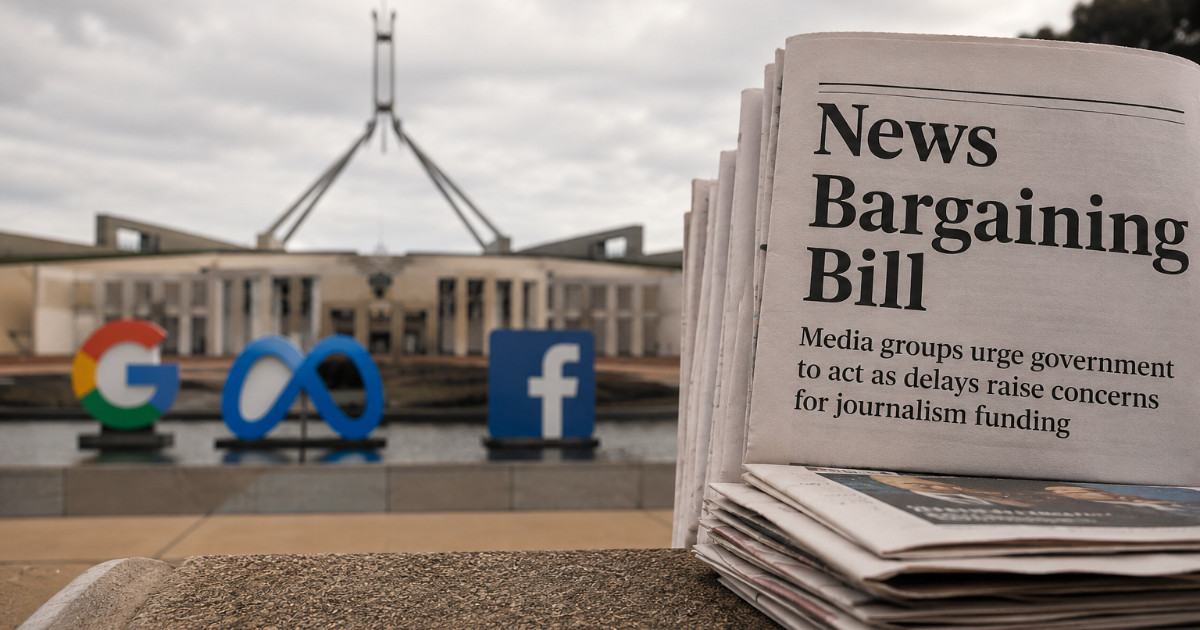
PHOTO: AI-generated; for illustrative purposes only.
Key Points
- Newspapers now rely on multiple revenue streams including digital subscriptions, sponsored content, events and memberships.
- Online advertising remains important but competes with large digital platforms for ad budgets.
- Sponsored content and branded partnerships provide direct commercial income while preserving newsroom separation is a challenge.
- Events and memberships offer reader engagement and diversified revenue outside traditional sales and display ads.
- In Pakistan, government advertising continues to be a significant and sometimes decisive source of funding for many titles.
Key Questions & Answers
How do newspapers make money in 2026?
They earn from a mix of digital subscriptions, sponsored content, online advertising, events, memberships and, in some markets, government advertising.
Is print advertising still a revenue source?
Yes, print ads still contribute to income, especially for local and classified ads, but revenues have declined compared with digital channels.
Why are sponsored articles important?
Sponsored content provides a steady commercial income stream and can be targeted, but publications must label such content clearly to maintain trust.
How important are government ads for Pakistani newspapers?
Government advertising remains a critical revenue source for many Pakistani newspapers and can significantly influence their financial stability.
Relevant Topics
Ask AI: Understand this story your way
AI EnabledDig deeper, ask anything — get instant context, background, and clarity.
Disclaimer: This feature is powered by AI and is intended to help readers explore and understand news stories more easily. While we strive for accuracy, AI-generated responses may occasionally be incomplete or reflect limitations in the underlying model. This feature does not represent the editorial views of JournalismPakistan. For our full, verified reporting, please refer to the original article.