.png)
What happens when journalists face PECA charges
JournalismPakistan.com | Published: 28 January 2026 | JP Special Report
Join our WhatsApp channel
When a Pakistani journalist is charged under the Prevention of Electronic Crimes Act (PECA), authorities may register an FIR, summon or arrest the reporter, seize digital devices and seek judicial remand while prosecutors investigate.Summary
ISLAMABAD — When a journalist in Pakistan is charged under the Prevention of Electronic Crimes Act, commonly known as PECA, the process begins with a complaint or a First Information Report filed with the National Cyber Crime Investigation Agency or, in some instances, with local police. Once a PECA case is registered, the Federal Investigation Agency’s cybercrime wing can summon the journalist for questioning, arrest them if the offence is considered cognizable, and initiate an investigation that may include seizures of digital devices and evidence review.
In many cases, journalists face prolonged scrutiny, and authorities can seek judicial remand for further investigation, sometimes resulting in pretrial detention. Journalists have been arrested and remanded, and their digital platforms taken offline while prosecutors collect evidence. PECA charges frequently relate to alleged dissemination of false or defamatory content, content deemed to cause public disorder, or criticisms of state institutions that authorities classify as offensive or harmful under the law.
Journalists charged under PECA typically appear before a magistrate’s court where charges are formally read, and bail hearings are conducted. Legal teams may challenge the validity of the FIR or the applicability of specific sections of PECA, arguing that rights to freedom of expression and press freedom are protected under the Constitution. In some cases, courts have granted interim bail or dismissed charges due to a lack of evidence or misapplication of the law.
What charges under PECA cover and how they are applied
PECA covers a broad range of electronic crimes, including offences against the dignity of a person, cyberstalking, and the dissemination of information deemed to be false, fake, or likely to disturb public order. Recent amendments introduced Section 26A, which makes the dissemination of “fake or false” information an offense punishable by up to three years in prison and fines of up to 2 million rupees. Critics, including international rights groups and media organizations, have warned that the law’s vague language gives authorities wide discretion to target dissenting voices.
In practice, the broad framing of the law has enabled the authorities to file PECA cases against journalists for social media posts, online videos, or digital reporting they consider defamatory or disruptive. For example, journalists have been arrested, their media platforms taken offline, and charges brought under multiple sections of PECA for content that authorities allege could incite unrest or defame individuals or institutions.
Trial process and judicial oversight
After arrest or formal charge, journalists go through the criminal justice process in Pakistan’s courts. The magistrate may grant remand to investigators to gather more evidence, or grant bail if the court determines that the case does not justify detention. Defence lawyers often challenge PECA charges on procedural grounds or contend that the law’s application violates constitutional freedoms of speech and press.
Judicial oversight varies with each case; some journalists are remanded for days during investigation, while others secure bail quickly. Legal outcomes depend on the strength of evidence presented, the specific PECA sections invoked, and the arguments made by defence counsel. The ambiguities in the law’s definitions of terms like “false” or “likely to cause unrest” make judicial interpretation a significant element of the trial process.
Penalties and longer-term consequences
If convicted under PECA provisions, journalists potentially face imprisonment terms, fines, or both, as prescribed in the Act. While courts have varied in their rulings, the amended law sets out penalties that can include up to three years’ imprisonment and significant fines for violations related to misinformation or similar offences.
Beyond legal penalties, being charged under PECA can have broader implications for journalists’ careers and digital presence. Arrests, prolonged investigations, and the blocking or removal of online content can disrupt journalistic work, undermine professional reputations, and contribute to self-censorship in Pakistan’s media environment. Critics argue that the law’s application may deter investigative reporting and chill free expression online.
WHY THIS MATTERS: PECA cases against journalists illustrate how cybercrime laws can intersect with press freedom and digital expression in Pakistan. For journalists and media professionals, understanding the legal mechanisms, charge classifications, and potential consequences is essential for risk assessment, legal preparedness, and newsroom policy. Coverage of cybercrime allegations must balance factual reporting with awareness of legal definitions, and media organizations may need to invest in legal support and digital rights training to navigate the evolving regulatory environment.
ATTRIBUTION: Reporting based on documentation from Freedom Network Pakistan, International Federation of Journalists, Reporters Without Borders, Human Rights Watch, and verified media accounts.
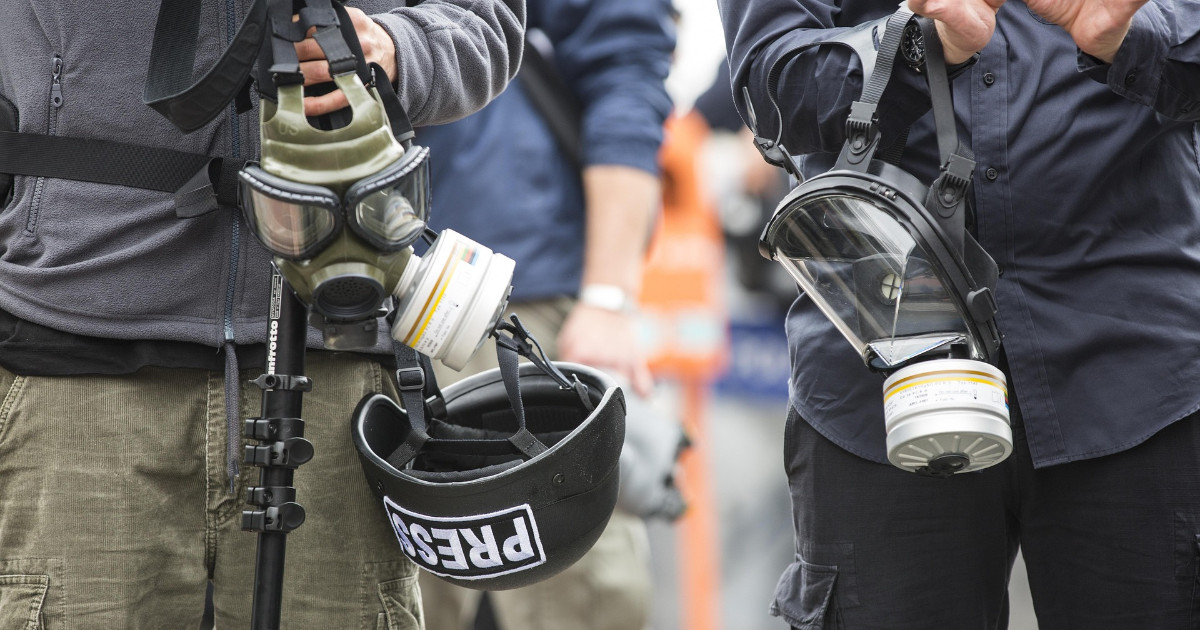
PHOTO: AI-generated; for illustrative purposes only.
Key Points
- Cases begin with a complaint or FIR, often filed with the National Cyber Crime Investigation Agency or local police.
- The FIA cybercrime wing can summon, arrest, seize digital devices and collect electronic evidence.
- Journalists may face prolonged scrutiny, judicial remand and pretrial detention while investigations proceed.
- Charges commonly allege dissemination of false information, defamation, public disorder or offensive criticism of state institutions.
- Legal teams contest FIRs and PECA sections; courts sometimes grant interim bail or dismiss cases for lack of evidence or misapplication of law.
Relevant Topics
Ask AI: Understand this story your way
AI EnabledDig deeper, ask anything — get instant context, background, and clarity.
Disclaimer: This feature is powered by AI and is intended to help readers explore and understand news stories more easily. While we strive for accuracy, AI-generated responses may occasionally be incomplete or reflect limitations in the underlying model. This feature does not represent the editorial views of JournalismPakistan. For our full, verified reporting, please refer to the original article.