Lawsuit against The Atlantic fuels press freedom concerns Meera walkout puts focus on Irshad Bhatti's interview ethics One article, no newsroom: Viral piece sparks debate on Pakistan media From regulation to resignations: Pakistan's media fault lines Asia press freedom: A week of pressure and progress Five reasons slow news days strengthen journalism Press freedom review: Detentions, digital control, and industry upheaval Chilling effect in media: The unseen pressure behind newsroom decisions South Asia sees 250 media rights violations in a year Media coverage of violence against women falls sharply globally Attack on Assamese newspaper deepens press safety concerns London arrests over Iran International attack The JournalismPakistan Global Media Brief | Edition 16 | April 17, 2026 Jahanzaib Haque takes helm as Nukta chief editor Khaleej Times at 48: A legacy newspaper navigating the digital age Lawsuit against The Atlantic fuels press freedom concerns Meera walkout puts focus on Irshad Bhatti's interview ethics One article, no newsroom: Viral piece sparks debate on Pakistan media From regulation to resignations: Pakistan's media fault lines Asia press freedom: A week of pressure and progress Five reasons slow news days strengthen journalism Press freedom review: Detentions, digital control, and industry upheaval Chilling effect in media: The unseen pressure behind newsroom decisions South Asia sees 250 media rights violations in a year Media coverage of violence against women falls sharply globally Attack on Assamese newspaper deepens press safety concerns London arrests over Iran International attack The JournalismPakistan Global Media Brief | Edition 16 | April 17, 2026 Jahanzaib Haque takes helm as Nukta chief editor Khaleej Times at 48: A legacy newspaper navigating the digital age
Logo
Janu
Trusted by people worldwide

UNESCO boss condemns attacks on media

 JournalismPakistan.com |  Published: 16 January 2013

Join our WhatsApp channel
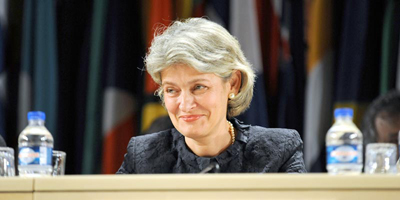
UNESCO boss condemns attacks on media
UNESCO's Director-General Irina Bokova condemned the killings of journalists in Pakistan, Tanzania, and the CAR. She urged the Pakistani government to bring those responsible to justice.

The head of the United Nations agency tasked with defending press freedom has unleashed a volley of condemnations over the killings of journalists in three separate incidents across Pakistan, Tanzania and the Central African Republic (CAR) in recent days.

Director-General of the UN Educational, Scientific and Cultural Organization (UNESCO), Irina Bokova expressed her condolences to the people of Pakistan where a series of bombings in Quetta on January 10 killed at least 100 people and injured more than 200, including three reporters.

“The bomb attacks in Quetta which targeted civilians as well as rescue services and media, were particularly shocking,” she stated, adding that the attacks violated democratic values and human rights.

“I urge the Government of Pakistan to do everything within its power to bring those responsible to justice,” she continued.

According to independent accounts, three mediapersons were killed in the second wave of bombings which struck the Pakistani city as they rushed to report from the site of the first blast.

Samaa Television reporter Saif-ur-Rehman, cameraman Imran Shaikh, and photojournalist Muhammad Iqbal of NNI news agency were killed.

Ms. Bokova also denounced the killing of community radio journalist Elisabeth Blanche Olofio, who lost her life when rebels stormed her radio station,Radio Be Oko, on January 8 in the town of Bambari in CAR.

In a separate statement, the UNESCO chief condemned the killing of another radio reporter, Tanzanian journalist Issa Ngumba, who was also found dead on January 8.

Ngumba had been missing for three days before his body was discovered in Tanzania’s Kajuhuleta Forest, exhibiting signs that he had been strangled or hanged, according to media reports. He is the second journalist killed in Tanzania in recent months.

Key Points

  • Three journalists killed in bombings in Quetta, Pakistan.
  • UNESCO head Irina Bokova condemns the attacks on media personnel.
  • Elisabeth Blanche Olofio and Issa Ngumba also recently murdered.
  • Bokova highlights violations of democratic values and human rights.
  • Calls for accountability from the Pakistani government.

Ask AI: Understand this story your way

AI Enabled

Dig deeper, ask anything — get instant context, background, and clarity.

Not sure what to choose? Try one of these.

The AI generates results based on your selected options
Your AI-generated results will appear here after you click the button.

Disclaimer: This feature is powered by AI and is intended to help readers explore and understand news stories more easily. While we strive for accuracy, AI-generated responses may occasionally be incomplete or reflect limitations in the underlying model. This feature does not represent the editorial views of JournalismPakistan. For our full, verified reporting, please refer to the original article.

Dive Deeper

Newsroom
Lawsuit against The Atlantic fuels press freedom concerns

Lawsuit against The Atlantic fuels press freedom concerns

 April 21, 2026 Kash Patel's defamation suit against The Atlantic has intensified scrutiny of legal pressures on journalists and raised concerns about press freedom.


Meera walkout puts focus on Irshad Bhatti's interview ethics

Meera walkout puts focus on Irshad Bhatti's interview ethics

 April 20, 2026 Irshad Bhatti's podcast interview with actor Meera drew criticism after he pressed personal topics and Meera walked out, sparking debate over media accountability.


One article, no newsroom: Viral piece sparks debate on Pakistan media

One article, no newsroom: Viral piece sparks debate on Pakistan media

 April 20, 2026 Dan Qayyum's viral article drew one million views in days, igniting debate about independent creators' reach and what it means for Pakistan's newsrooms.


Asia press freedom: A week of pressure and progress

Asia press freedom: A week of pressure and progress

 April 19, 2026 Across Asia, journalists faced growing legal pressure, expanded surveillance and attacks on media outlets, even as a key appointment boosted gender diversity.


Five reasons slow news days strengthen journalism

Five reasons slow news days strengthen journalism

 April 19, 2026 Slow news days give journalists time to verify facts, pursue in-depth reporting, and reduce errors, strengthening overall newsroom accuracy and long-form storytelling.


Popular Stories