.jpg)
The rise of noise, the fall of reason: An analysis of TV talk show trends
JournalismPakistan.com | Published: 2 June 2012 | The Communicator
Join our WhatsApp channel
This article examines the decline of meaningful dialogue in Pakistani television talk shows, focusing on the pervasive noise and shouting. It emphasizes the need for more rational and professional exchanges in media discussions.Summary
I’ve always enjoyed a good healthy argument for the simple reason that new and interesting perspectives are aired, alternative logic is exchanged and, more often than not, a viable, favorable and sensible outcome or decision is reached.
Not so on the dozens of television news channels we have in Pakistan where every current affairs discourse, every talk show on politics, every discussion on matters of national interest somehow degenerates into uncouth, cheap, pointless and distasteful shouting matches. It’s disgusting, primitive and totally uncivilized. It has also become predictable.
My good friend and political analyst Major Asad, who is an avid follower of such shows and a self-confessed expert on their hosts, shakes his head at my frustration and tries to instill in me that these discussions/shouting matches are for public consumption.
“Samjha karo…” he drawls, “This is nothing but noora kushti (try to understand; this is all manipulated) and the public loves such bouts!” Noora Kushti my foot! It is a reflection of what our media has become: a shadow of a shadow. No substance; all bluff!
Dr Danish, Jasmine Manzoor, Meher Bukhari, Kashif Abbasi, Talat Hussain, Rana Mubashir, Mujahid Barelvi, Javed Chaudhry, Dr Shahid Masood and others have all either allowed unnecessary yelling and shouting on their programs, have been responsible for starting and encouraging it, or have done so themselves. They all have a confrontational attitude that would make BBC Hard Talk host Tim Sebastian seem like a cherub.
One is forced to inquire: Do they have to shout? We’re not deaf, you know. We hear you. We’re not mentally challenged; we can make sense of what’s being said and should be said. We are aware. Please give the viewers some leeway; all of us don’t come from the village, you know.
It’s not like we live in the trees and have to be browbeaten into understanding your twisted, convoluted opinion. Strangely enough, these talk show hosts and anchors think nobody will take them seriously if a little controversy or confrontation is not injected into their programs. They will deliberately incite a bout of mad shouting, adding fuel to the fire even as it seems to be on the verge of subsiding.
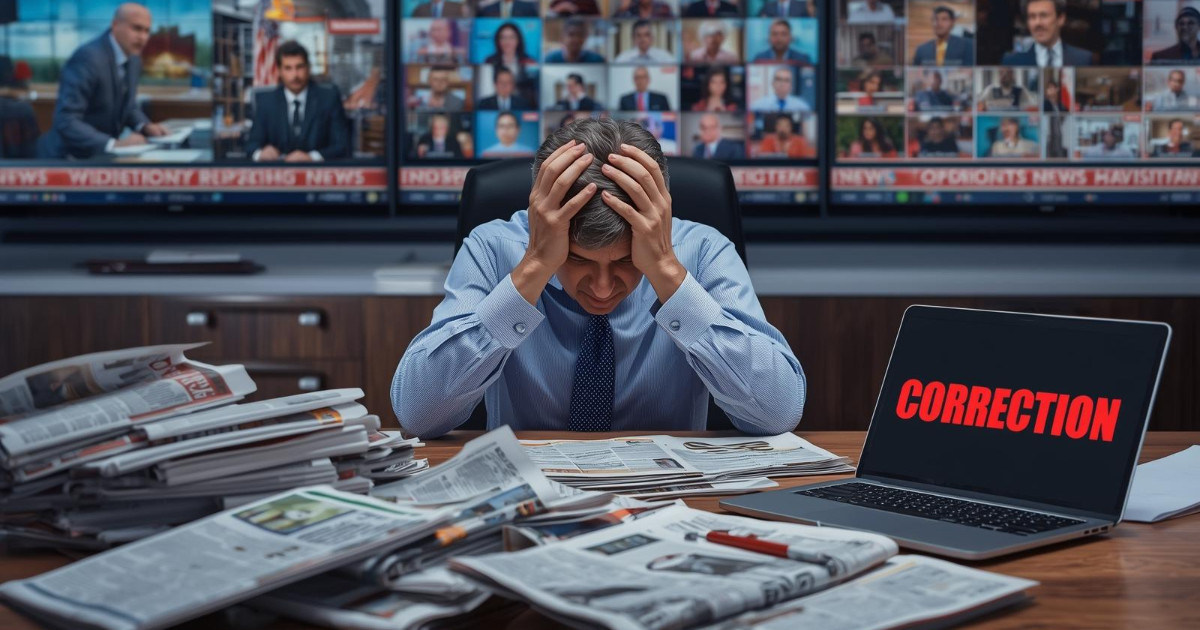
What they don’t realize is that the viewer is irritated by all the noise; no opinion ever gets concluded; the discussion has no logical flow; the guests become a laughing stock, their creditability shot; and worst of all the viewer feels his/her intelligence is being abused. There is so much noise that often not a word is understood. What then is the purpose of such an exercise? Why not watch two monkeys fight?
Why not switch to WWF if the purpose is to put on a show? Why not switch off the TV and enjoy becalming quietness? Our TV anchors and talk show hosts should know how to carry themselves as well as how and when to step in when a discussion degenerates into a shouting match. Currently none of them seem to realize they are being unprofessional when they do not.
I also want to know what the hell the program’s producers are doing when these strutting peacocks and divas decide to go off on a tangent. Why don’t they at least carry out their professional duty by informing the host/anchor that the discussion is heading the wrong way and there is too much noise?
What really makes it hard to digest is the fact that most of these so-called experts on current affairs, these maharajas of the gift of the gab, get paid in the millions for producing such crap. Indeed some of them earn more in a month than many people do in 10 years.
Why is it they think it is their right to inflict the populace with their personal agendas, opinions and propaganda at ear-drum busting volume rather than stick to the facts of the issue? Worse still why are they getting away with it? Who is going to stop them?
How does anybody expect us to take a man seriously who posts a picture on his FaceBook of a child supposedly injured in a drone attack and the next day cheerfully displays a steamy photo of Veena Malik? Such obvious and glaring hypocrisy!!
It would be so good if we could have a talk show/current affairs program which is not only conducted in a professional manner but also focuses on an issue that matters most as does Indian actor-turned-social journalist-talk show host Amir Khan’s program Satyameva Jayete. Why could not our great journalist hosts produce such a program rather than the garbage they dish out?
The answer I have derived at is that they are either too shallow to comprehend the real world or too immersed in their self-importance. I for one will not be shouted at from the idiot box. I will not tolerate the insult of having a barrage of screaming nothings coming at me.
I will not be part of this mumbo-jumbo garbage from raving lunatics hurting my ears and my senses…and I strongly suggest, for your own sake, so should you. Moral of the story: Boycott screaming, screeching TV anchors and TV hosts and their programs; there are more sane things to watch on TV. Get a life!! (The Communicator is a senior journalist based in Karachi)
Key Points
- Current affairs discourse in Pakistan often degenerates into shouting matches.
- TV show hosts prioritize controversy over substance in their discussions.
- Viewer irritation grows due to the lack of logical flow and clarity.
- Hosts are criticized for their unprofessional behavior during chaotic segments.
- The article advocates for a boycott of programs that lack meaningful content.
Relevant Topics
Ask AI: Understand this story your way
AI EnabledDig deeper, ask anything — get instant context, background, and clarity.
Disclaimer: This feature is powered by AI and is intended to help readers explore and understand news stories more easily. While we strive for accuracy, AI-generated responses may occasionally be incomplete or reflect limitations in the underlying model. This feature does not represent the editorial views of JournalismPakistan. For our full, verified reporting, please refer to the original article.