
Turkish court arrests Deutsche Welle journalist over Erdogan posts
JournalismPakistan.com | Published: 20 February 2026 | JP Middle East Desk
Join our WhatsApp channel
An Istanbul court remanded Deutsche Welle correspondent Alican Uludag in custody after prosecutors accused him of insulting President Erdogan and spreading misleading information on social media, drawing condemnation from rights groups.Summary
ISTANBUL — Turkish authorities formally arrested investigative journalist Alican Uludag, a correspondent for Germany’s state‑funded international broadcaster Deutsche Welle (DW), over social media posts that prosecutors say insulted President Recep Tayyip Erdogan and spread misleading information.
Uludag was taken from his home in Ankara late Thursday and transferred to Istanbul, where an Istanbul court on Friday ordered him remanded in custody on charges that could carry up to four years in prison under Turkish law.
The arrest stems from a criminal investigation launched by the Istanbul Chief Public Prosecutor’s Office into posts Uludag made on the social media platform X that criticized government policies and actions, including commentary on the judiciary and corruption issues. Uludag denied the charges, saying his posts were part of legitimate reporting.
Judicial pressure sparks outcry from press freedom advocates
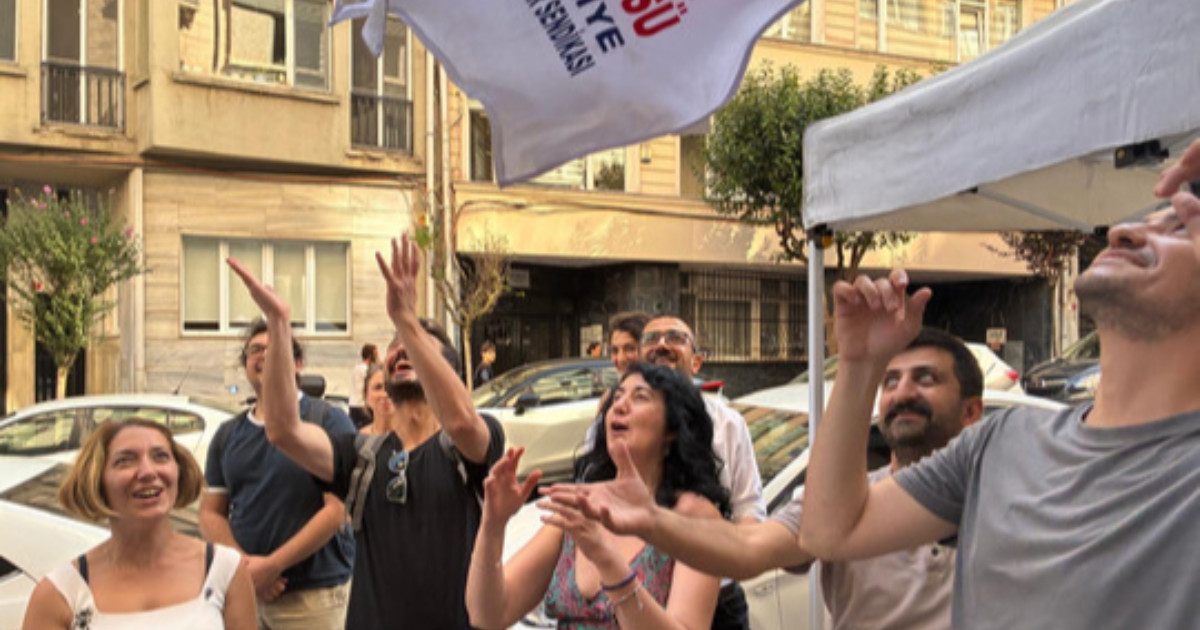
Human rights and press freedom groups swiftly condemned the arrest, describing it as part of a broader pattern of legal pressure and intimidation against journalists in Turkey. Deutsche Welle’s Director‑General Barbara Massing called the move “a deliberate act of intimidation” and demanded his immediate release, while dozens of journalists rallied outside Istanbul’s Caglayan Courthouse on Friday to protest the detention.
Turkey’s press freedom landscape remains deeply constrained, with media watchdogs such as Reporters Without Borders consistently ranking the country low in global press freedom indices. The legal framework, including laws against insulting the president and spreading “misleading information,” has been frequently used to target critical reporting and social media commentary, critics say.
Analysts say the arrest of a foreign‑affiliated correspondent underscores Ankara’s growing intolerance for independent reporting, particularly criticism touching on state institutions or high‑profile policies. The case may also strain diplomatic relations, as Germany’s government has expressed concern about threats to journalistic independence and the safety of foreign correspondents in Turkey.
WHY THIS MATTERS: The detention of a prominent international correspondent highlights the ongoing challenges to press freedom in environments where legal provisions criminalize critical speech. For Pakistani journalists and media organizations, it underscores the importance of legal safeguards for reporters, the risks posed by expansive speech laws, and the need for global solidarity and advocacy when press freedoms are under threat.
ATTRIBUTION: Reporting compiled from original coverage by Associated Press, Reuters, The New Arab, and Bloomberg.
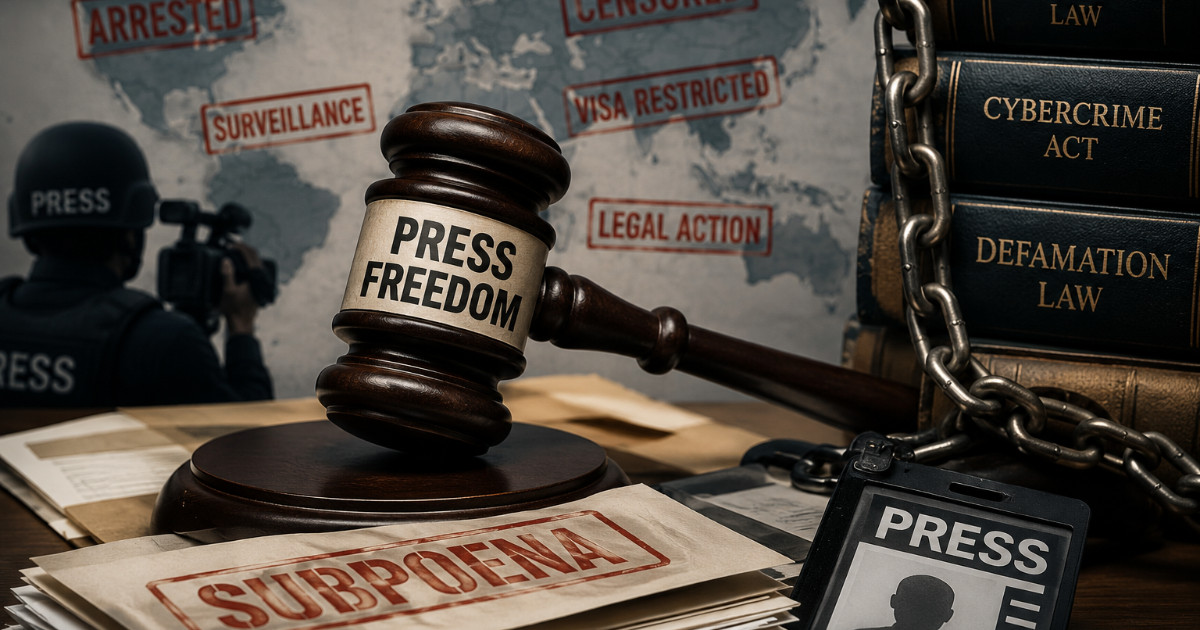
PHOTO: AI‑generated; for illustrative purposes only.
Key Points
- Alican Uludag, a Deutsche Welle correspondent, was arrested at his Ankara home and transferred to Istanbul.
- A court remanded him on charges over social media posts alleged to insult President Erdogan and spread misleading information.
- The charges could carry up to four years in prison under Turkish law.
- Deutsche Welle and press freedom groups called the arrest deliberate intimidation and demanded his release.
- Human rights advocates say the case reflects ongoing legal pressure and restrictions on media freedom in Turkey.
Key Questions & Answers
Why was Alican Uludag arrested?
Prosecutors say his social media posts insulted President Erdogan and spread misleading information; he denies the charges, calling them part of legitimate reporting.
What legal consequences could he face?
Authorities have charged him under laws that carry potential prison terms of up to four years, pending trial and further judicial proceedings.
How have media and rights groups responded?
Deutsche Welle, press freedom organizations and human rights groups condemned the arrest as intimidation and called for his immediate release.
What does this mean for press freedom in Turkey?
Advocates say the arrest fits a broader pattern of legal pressure and constraints on journalists, contributing to low press freedom rankings for Turkey.
Relevant Topics
Ask AI: Understand this story your way
AI EnabledDig deeper, ask anything — get instant context, background, and clarity.
Disclaimer: This feature is powered by AI and is intended to help readers explore and understand news stories more easily. While we strive for accuracy, AI-generated responses may occasionally be incomplete or reflect limitations in the underlying model. This feature does not represent the editorial views of JournalismPakistan. For our full, verified reporting, please refer to the original article.