
Turkey 'silencing' independent media: Human Rights Watch
JournalismPakistan.com | Published: 15 December 2016
Join our WhatsApp channel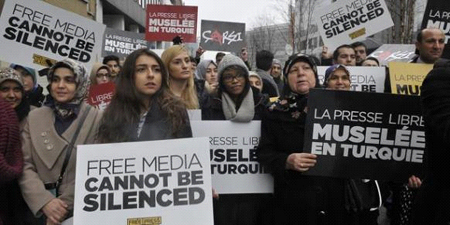
Human Rights Watch has accused Turkey of suppressing independent media to avoid scrutiny after the July coup attempt. The report highlights significant arrests and media shutdowns as part of this crackdown.Summary
ANKARA - Human Rights Watch on Thursday accused Turkey of "silencing" independent media in its bid to prevent scrutiny or criticism of its huge crackdown following the failed July coup.
Human Rights Watch cites the arrests of staff of the daily Cumhuriyet as an example of Turkey's "silencing" of independent media.
In a report, the US-based rights watchdog said Turkey's "assault" on critical journalism had accelerated since the attempted overthrow of President Recep Tayyip Erdogan - but said it began several years earlier and had steadily "sharpened" since 2014.
HRW said journalists it spoke to described "the stifling atmosphere in which they work and about the rapidly shrinking space for reporting on issues the government does not want covered."
The Turkish government insists it does not attack the press or journalists, often saying there is no problem with press freedom. The Turkish authorities had no immediate reaction to the report.
Since mid-July, 140 media outlets and 29 publishing houses had been shut down under regulations imposed under a post-coup state of emergency, leaving over 2,500 journalists and media workers unemployed, HRW said.
The state of emergency was renewed for another three months in October.
Just one of the emergency decrees involved the closure of 131 media outlets over alleged links to Islamic cleric Fethullah Gulen, whom Ankara has accused of ordering the putsch.
Gulen, who lives in self-imposed exile in Pennsylvania, strongly denies the charges.
The rights group said Ankara's crackdown did not only affect those with alleged links to the coup-plotters, but also pro-Kurdish media and independent voices critical of the government.
Some 14 such media outlets have been shut down "effectively wiping out all media with a following among the Kurdish minority in Turkey," the report said.
Accusing the government of using the criminal justice system as a tool against the media, HRW gave the example of the October arrests of 12 senior staff of the opposition daily Cumhuriyet, including its editor-in-chief.
They are accused of committing crimes on behalf of Kurdish militants and Gulen's followers.
HRW also flagged physical attacks on journalists, accusing the government of interfering with editorial independence and pressurising outlets to sack critical journalists.
"Keeping 148 journalists and media workers in jail and closing down 169 media and publishing outlets under the state of emergency shows how Turkey is deliberately flouting basic principles of human rights and rule of law central to democracy," said HRW's Europe and Central Asia director Hugh Williamson.
HRW spoke to 61 journalists, editors, lawyers and press freedom activists as well reviewing court documents relating to the prosecution and jailing of journalists and media workers.
The report comes after Reporters Without Borders (RSF) said this week Turkey had become the "world's biggest prison for the media profession" leading to the increase in overall detentions of journalists worldwide. - AFP/Image: milletpress.com
Key Points
- Human Rights Watch claims Turkey is silencing independent media.
- 140 media outlets and 29 publishing houses have been shut down.
- The crackdown on journalism accelerated post-coup but began earlier.
- Turkey's government denies any issues with press freedom.
- Turkey is labeled the 'world's biggest prison for the media profession' by Reporters Without Borders.
Relevant Topics
Ask AI: Understand this story your way
AI EnabledDig deeper, ask anything — get instant context, background, and clarity.
Disclaimer: This feature is powered by AI and is intended to help readers explore and understand news stories more easily. While we strive for accuracy, AI-generated responses may occasionally be incomplete or reflect limitations in the underlying model. This feature does not represent the editorial views of JournalismPakistan. For our full, verified reporting, please refer to the original article.