.png)
Turkey crackdown ahead of NATO summit alarms journalists
JournalismPakistan.com | Published: 6 July 2026 | JP Asia Desk
Join our WhatsApp channel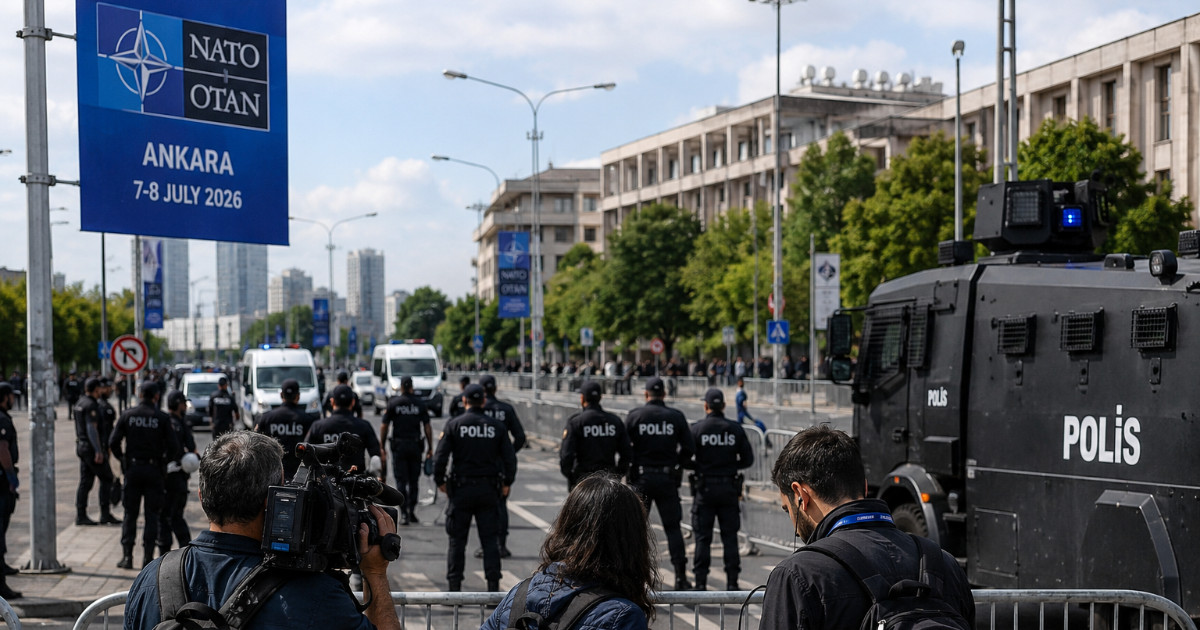
Authorities in Ankara detained more than 200 people, including journalists, and widened bans on demonstrations ahead of the July 7-8 NATO summit. Rights groups say arrests, anti-terror measures and denied accreditation are curbing press freedom and rights.Summary
ANKARA — Turkish authorities have intensified security measures ahead of the July 7-8 NATO summit in Ankara, detaining more than 200 people, including journalists, while extending sweeping restrictions on public demonstrations, prompting renewed concern over press freedom and civil liberties in the country.
Human Rights Watch said the arrests and protest bans reflected a growing intolerance of free expression and independent scrutiny, arguing that the use of anti-terrorism measures against journalists, activists, lawyers, and academics undermines the democratic values NATO says it upholds. Turkish prosecutors have maintained that those detained were targeted as part of investigations into alleged terrorist organizations.
Journalists face a tighter reporting environment
The latest measures come as Ankara prepares to host leaders from NATO's 32 member states under one of the country's largest security operations in recent years. Rights groups and journalist organizations say the restrictions have created an increasingly difficult environment for reporters seeking to cover political developments, demonstrations, and opposition activities surrounding the summit.
The crackdown follows earlier controversy over media access after dozens of journalists from independent Turkish news organizations were reportedly denied accreditation to cover the summit. Press organizations criticized the move as an unnecessary restriction on independent reporting, while NATO said accreditation decisions for host-country summits rely largely on the host government's security assessments.
Press freedom concerns deepen
Human Rights Watch urged Turkish authorities to release those arbitrarily detained, lift blanket bans on peaceful demonstrations, and respect freedom of expression and assembly. Amnesty International also called for an end to the crackdown, warning that broad security restrictions risk silencing legitimate criticism during an event attracting intense international attention.
The Turkish government has defended its actions as necessary to protect security ahead of the high-profile summit. Officials have linked the arrests to investigations involving extremist organizations and rejected suggestions that the measures were intended to suppress legitimate political expression or journalism.
For media organizations covering Turkish politics, the developments reinforce long-standing concerns about the shrinking space for independent reporting during major political events. The combination of detentions, protest bans, and restrictions on media access has drawn criticism from domestic and international press freedom advocates, who argue that security measures should not impede legitimate journalistic work.
WHY THIS MATTERS: Major international political events often test governments' commitment to media freedom. For journalists and news organizations, Turkey's pre-summit measures illustrate how security operations can directly affect reporting access, source protection, and the ability to document events of significant public interest.
ATTRIBUTION: Reporting by JournalismPakistan, based on publicly available reports by Reuters (July 5-6, 2026), Human Rights Watch (June 25, 2026), and Associated Press (June 25, 2026).
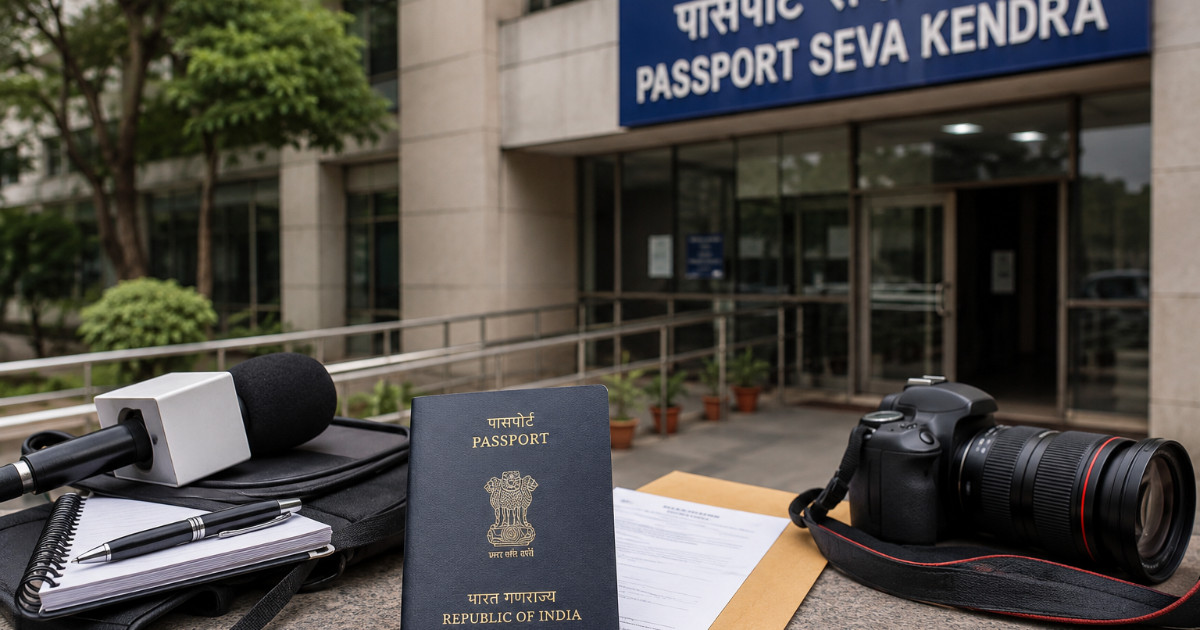
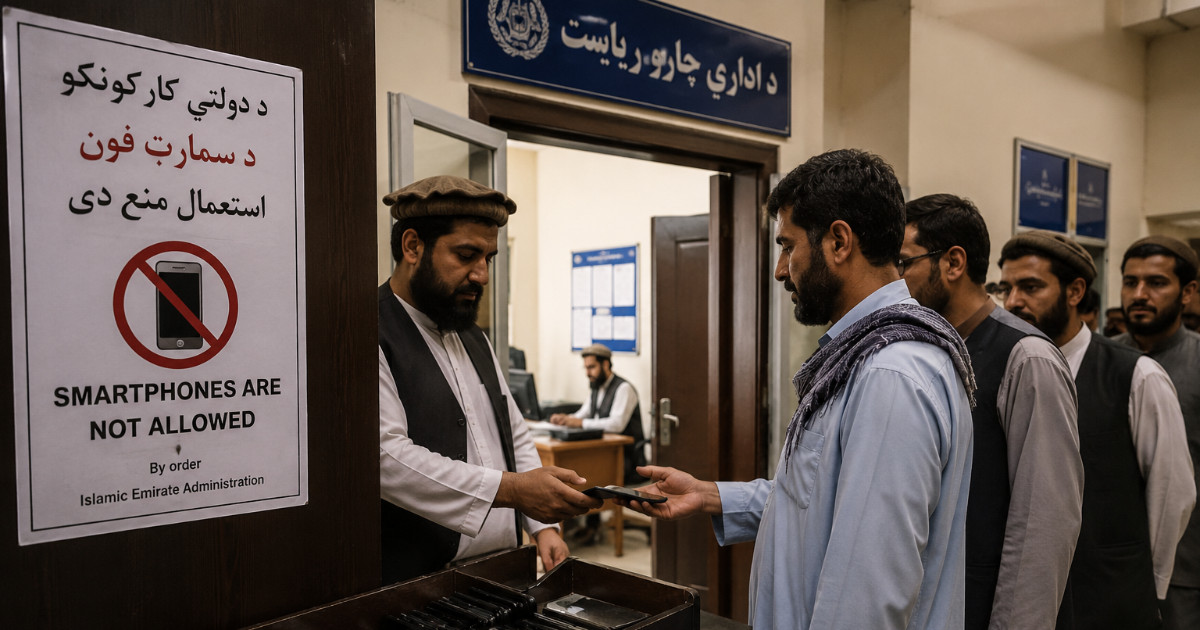
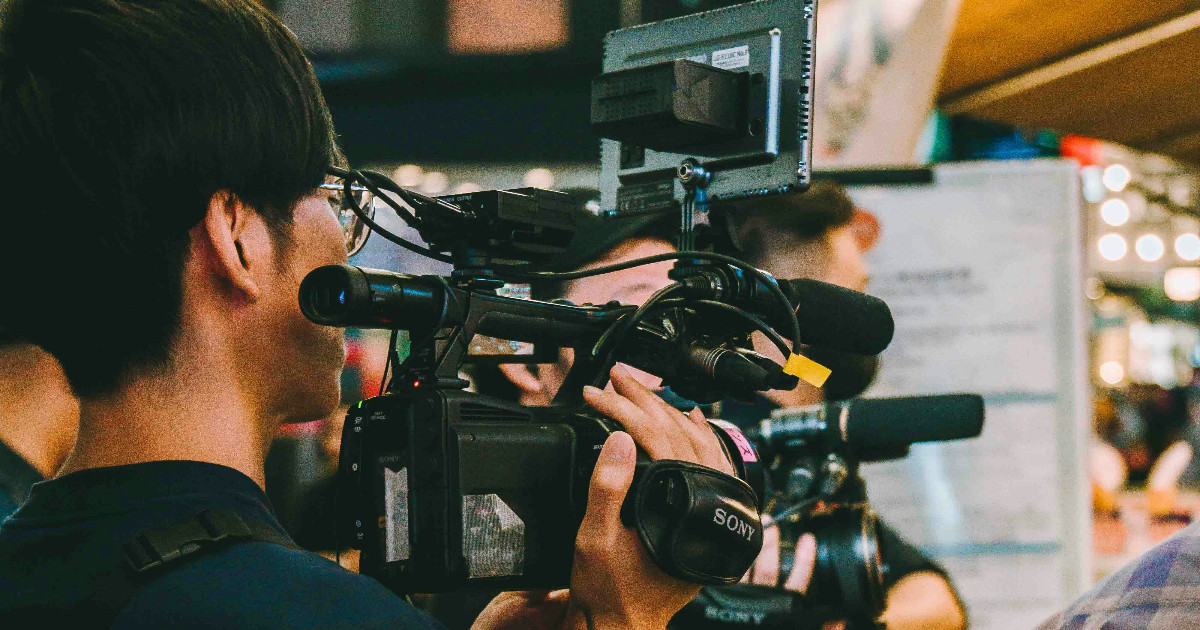
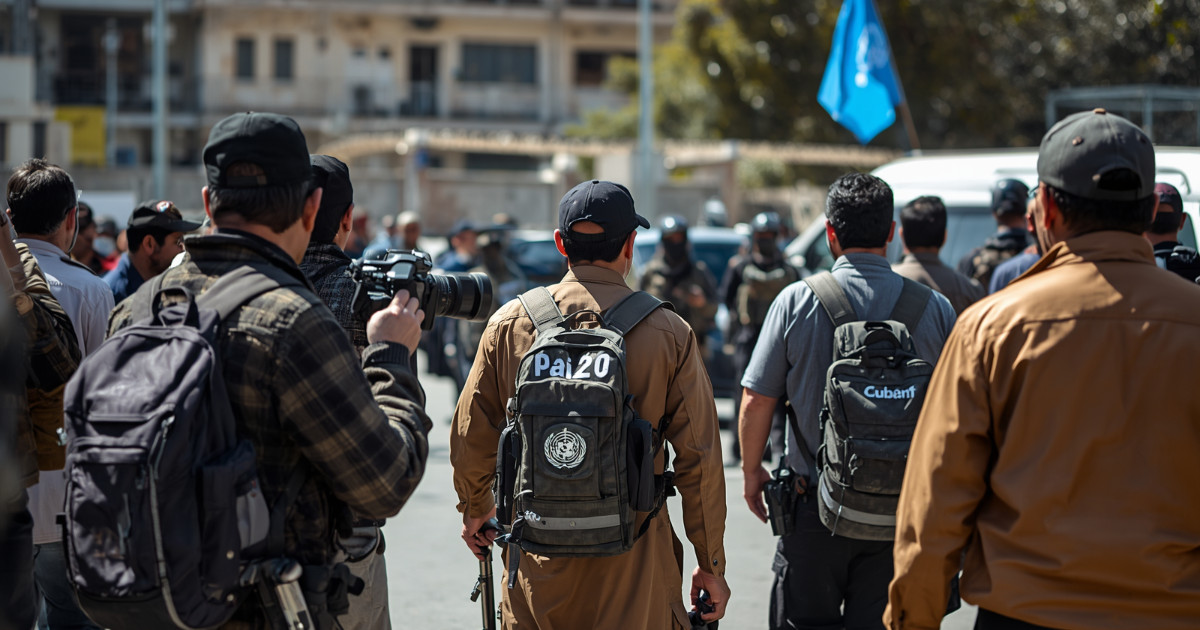
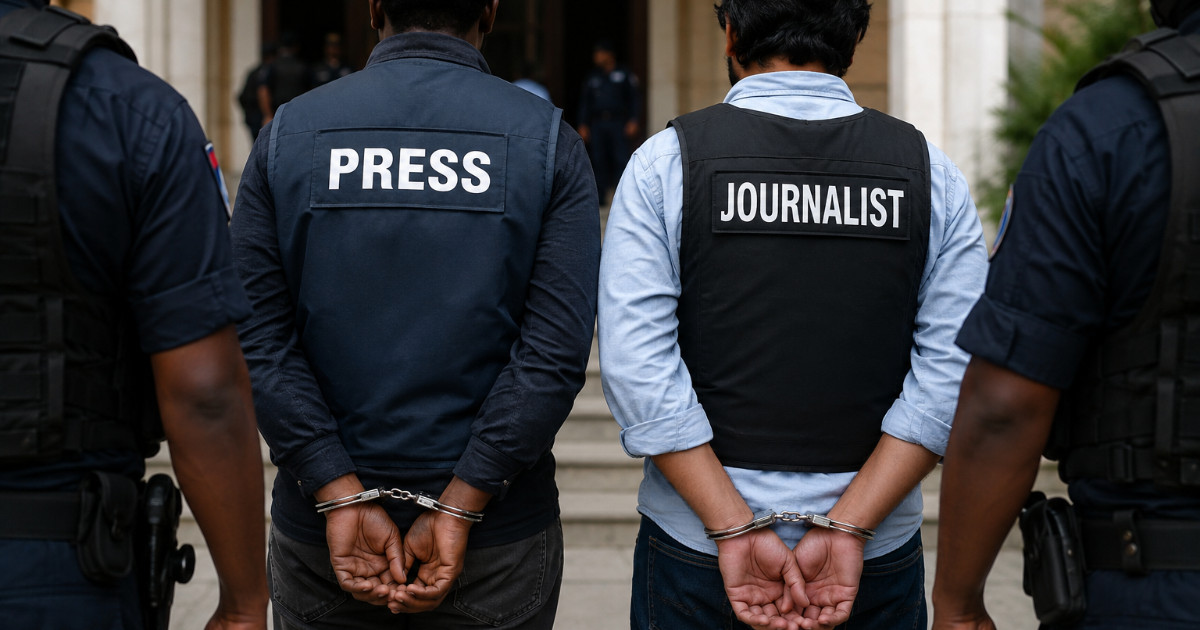
PHOTO: AI-generated; for illustrative purposes only.
Key Points
- Authorities detained more than 200 people, including journalists, in the run-up to the NATO summit.
- Bans on public demonstrations were extended across Ankara during summit preparations.
- Dozens of independent journalists were reportedly denied accreditation to cover the summit.
- Rights groups say anti-terror measures are being used against journalists, activists and academics.
- NATO said host-country security assessments inform accreditation decisions, while critics warn civil liberties are at risk.
Key Questions & Answers
Why were so many people detained ahead of the summit?
Turkish prosecutors say the detentions are part of investigations into alleged terrorist organizations; rights groups and critics say many arrests appear linked to broader efforts to limit dissent around the summit.
Were journalists prevented from covering the NATO summit?
Dozens of journalists from independent Turkish outlets were reportedly denied accreditation to cover the summit, a move that press groups called an unnecessary restriction on independent reporting.
What is NATO's position on accreditation decisions?
NATO says accreditation for host-country summits relies largely on the host government's security assessments, while leaving concerns about press access to be addressed with the host.
Why are rights groups alarmed by the measures?
Human Rights Watch and other organisations argue that using anti-terrorism laws, mass detentions and protest bans undermines free expression, independent scrutiny and democratic values.
Relevant Topics
Ask AI: Understand this story your way
AI EnabledDig deeper, ask anything — get instant context, background, and clarity.
Disclaimer: This feature is powered by AI and is intended to help readers explore and understand news stories more easily. While we strive for accuracy, AI-generated responses may occasionally be incomplete or reflect limitations in the underlying model. This feature does not represent the editorial views of JournalismPakistan. For our full, verified reporting, please refer to the original article.