AFP journalists in Türkiye win strike after pay dispute Why are media companies laying off journalists? Messi's farewell, Yamal's rise: Spain conquer Argentina in World Cup final Pakistan Media Monitor | Edition 4 | July 7-20, 2026 JP analysis: Legal pressure on journalists grows worldwide What is prior restraint in journalism and media law? Press freedom review: Governments tighten the screws on journalists China warns of retaliation over new US journalist visa limits Thailand urged to halt deportation of Chinese journalist Delhi HC warns press freedom is not a shield for irresponsible reporting Journalists question closed-door fuel price briefing None came before him, none will come after him: Farewell, Sir Garfield Sobers The JournalismPakistan Global Media Brief | Edition 29 | July 17, 2026 US tightens visa rules for foreign journalists Judge rejects bid to halt Paramount-Warner Bros. merger AFP journalists in Türkiye win strike after pay dispute Why are media companies laying off journalists? Messi's farewell, Yamal's rise: Spain conquer Argentina in World Cup final Pakistan Media Monitor | Edition 4 | July 7-20, 2026 JP analysis: Legal pressure on journalists grows worldwide What is prior restraint in journalism and media law? Press freedom review: Governments tighten the screws on journalists China warns of retaliation over new US journalist visa limits Thailand urged to halt deportation of Chinese journalist Delhi HC warns press freedom is not a shield for irresponsible reporting Journalists question closed-door fuel price briefing None came before him, none will come after him: Farewell, Sir Garfield Sobers The JournalismPakistan Global Media Brief | Edition 29 | July 17, 2026 US tightens visa rules for foreign journalists Judge rejects bid to halt Paramount-Warner Bros. merger
Logo
Janu
Journalism Pakistan Authority

Sudanese journalist arrested in Saudi Arabia, faces deportation

 JournalismPakistan.com |  Published: 4 September 2015

Join our WhatsApp channel
Sudanese journalist arrested in Saudi Arabia, faces deportation
Waleed al-Hussein al-Dood has been detained in Saudi Arabia for over a month without charges. His family fears he may face serious risks if deported back to Sudan.

NEW YORK: A Sudanese journalist has been detained for more than a month without charge in Saudi Arabia, according to news reports. Waleed al-Hussein al-Dood could face deportation to Sudan, where he is at risk of arrest and abuse by security forces who have threatened his life, according to statements by his family to Committee to Protect Journalists (CPJ).

"We are extremely concerned for Waleed al-Hussein al-Dood's safety should he be forced to return to Sudan," CPJ's Middle East and North Africa program coordinator, Sherif Mansour, said from Washington.

"Al-Dood has a right to be granted access to his lawyer and should know the reasons of his arrest." Al-Dood,founder of the independent news website Al-Rakoba, was arrested from his home in the eastern Saudi city of Al-Khobar on July 23, according to a statement by Al-Rakoba and his brother, Hussein al-Hussein, who spoke to CPJ.

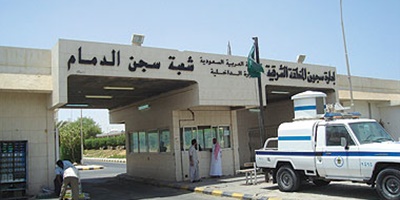
Saudi security agents confiscated the journalist's laptop and passport and did not provide an explanation for the arrest or disclose any charges against him. Al-Dood is being held in Ma'aloumat Prison in the city of Dammam, near al-Khobar. He has been denied access to his lawyer, his brother said.

Al-Dood told his wife, who last visited him in prison on Monday, that Saudi authorities had told him he would be deported to Sudan, according to the journalist's brother. Al-Hussein told CPJ that as far as he knows, no formal deportation order has been issued. Al-Dood, a Sudanese citizen, has lived in Saudi Arabia for 15 years, his brother said.

Al-Hussein and Al-Rakoba said al-Dood is a legal resident of Saudi Arabia and that his paperwork was in order. CPJ's calls and emails to the Saudi embassy in Washington for comment about the case were not immediately answered. Al-Dood founded Al-Rakoba in 2005.

The website, which is critical of the Sudanese government and covers issues such as government corruption and human rights abuses, publishes reports and editorials from Sudanese and international contributors. Sudanese authorities have several times blocked domestic access to Al-Rakoba over the years, according to al-Hussein and CPJ research.

Al-Hussein told CPJ that agents of the Sudanese National Intelligence and Security Services (NISS) have threatened al-Dood for years. Al-Hussein said that NISS agents had told him that they would kill the journalist "if they get hold of him." He told CPJ that al-Dood had also received threatening messages directly from the NISS.

The last time al-Dood was in Sudan was in 2008, for his wedding, but he had to cut his trip short and leave because of threats from security forces, his brother said. Al-Dood's wife gave birth two weeks ago while al-Dood was in jail, and has been unable to issue a birth certificate for the child without al-Dood's presence or his identification papers. - Committee to Protect Journalists

Key Points

  • Waleed al-Dood detained for over a month in Saudi Arabia.
  • He may face deportation to Sudan, risking arrest and abuse.
  • Al-Dood is a legal resident of Saudi Arabia with proper paperwork.
  • He has not been given access to a lawyer since his arrest.
  • His independent website Al-Rakoba has faced censorship from Sudan.

Ask AI: Understand this story your way

AI Enabled

Dig deeper, ask anything — get instant context, background, and clarity.

Not sure what to choose? Try one of these.

The AI generates results based on your selected options
Your AI-generated results will appear here after you click the button.

Disclaimer: This feature is powered by AI and is intended to help readers explore and understand news stories more easily. While we strive for accuracy, AI-generated responses may occasionally be incomplete or reflect limitations in the underlying model. This feature does not represent the editorial views of JournalismPakistan. For our full, verified reporting, please refer to the original article.

Read Next

Pakistan Media Monitor | Edition 4 | July 7-20, 2026

Pakistan Media Monitor | Edition 4 | July 7-20, 2026

 July 20, 2026: During July 7-20, 2026 Pakistan's media faced legal action against journalists, expanded broadcast regulations, newsroom layoffs and surveillance concerns, revealing growing regulatory, economic and technological pressures on journalism.

CPJ urges Pakistan to lift Geo News suspension

CPJ urges Pakistan to lift Geo News suspension

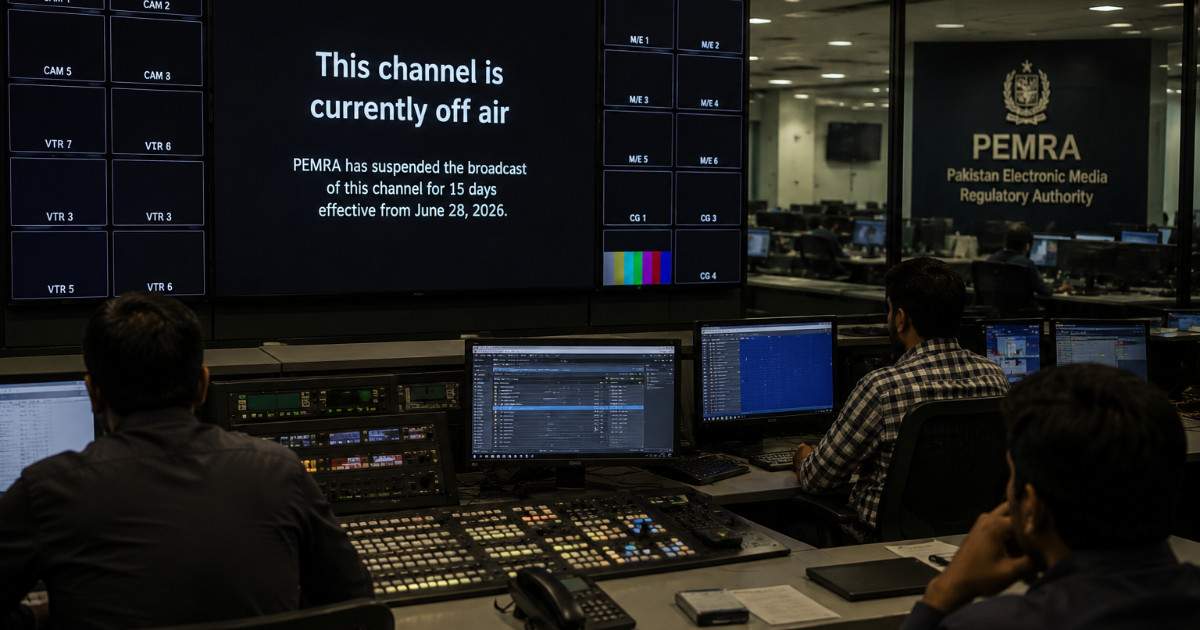
 July 02, 2026: CPJ urged Pakistan to reverse PEMRA's 15-day suspension of Geo News' broadcast license, calling it a dangerous escalation of official interference with independent media.

Newsroom
AFP journalists in Türkiye win strike after pay dispute

AFP journalists in Türkiye win strike after pay dispute

 July 21, 2026 AFP journalists in Türkiye ended a 12-day strike after securing a labor agreement with a 27% wage increase, a month's bonus, €2,500 and enhanced allowances.


Why are media companies laying off journalists?

Why are media companies laying off journalists?

 July 21, 2026 Media companies are laying off journalists as advertising income falls, audiences shift to digital platforms, costs rise, and AI plus new business models reshape newsroom economics.


Messi's farewell, Yamal's rise: Spain conquer Argentina in World Cup final

Messi's farewell, Yamal's rise: Spain conquer Argentina in World Cup final

 July 20, 2026 Spain defeated Argentina in a dramatic World Cup final as Ferran Torres' extra-time volley sealed victory, capping Messi's farewell and Yamal's rise.


JP analysis: Legal pressure on journalists grows worldwide

JP analysis: Legal pressure on journalists grows worldwide

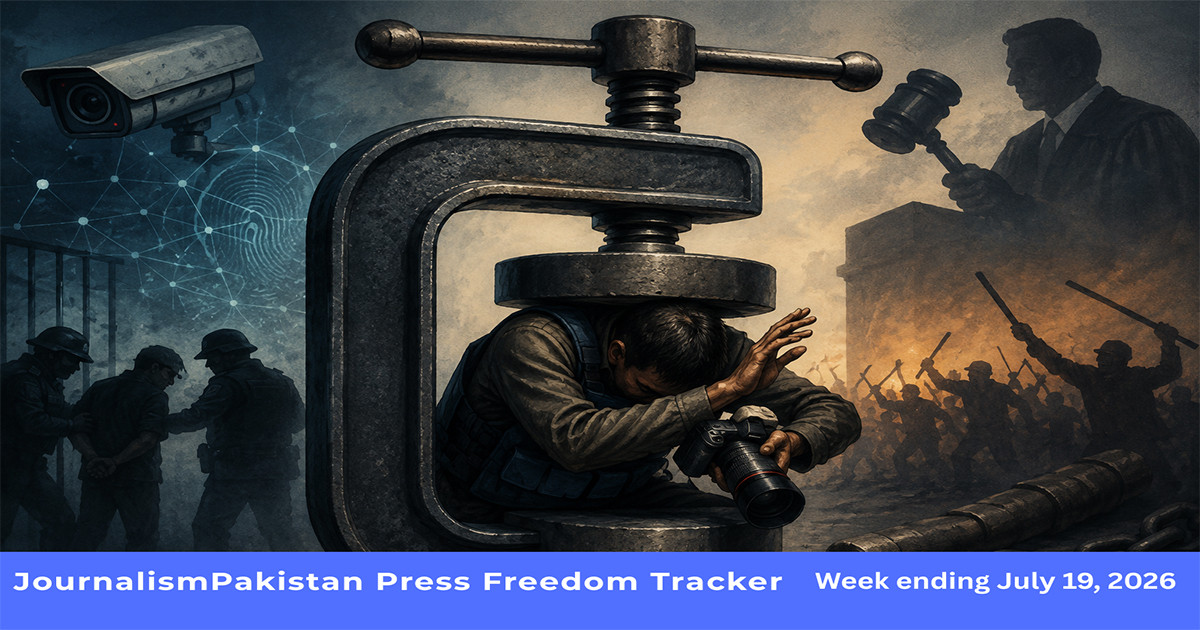
 July 19, 2026 JournalismPakistan finds governments increasingly using courts, surveillance, visa limits and regulation instead of overt bans to pressure journalists.


What is prior restraint in journalism and media law?

What is prior restraint in journalism and media law?

 July 19, 2026 Prior restraint is government action that stops publication or broadcast before it reaches the public, creating tensions between press freedom and security.


Popular Stories