
Strait of Hormuz tensions disrupt Middle East media coverage
JournalismPakistan.com | Published: 18 March 2026 | JP Middle East Desk
Join our WhatsApp channel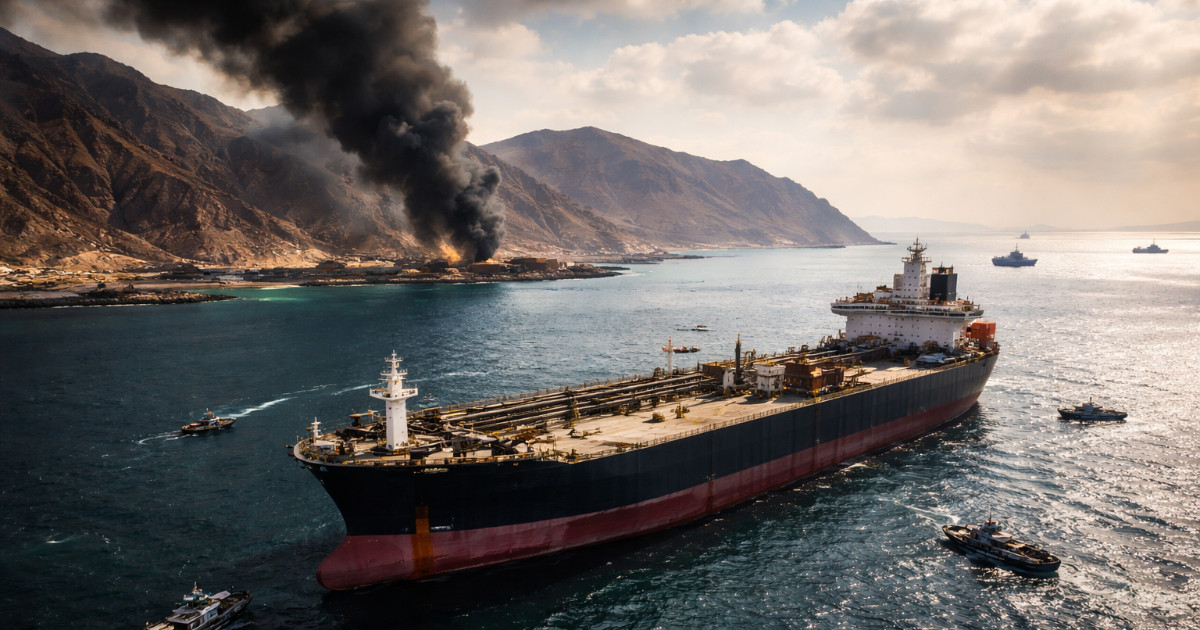
Escalating military activity around the Strait of Hormuz is disrupting news production across the Middle East as security restrictions curtail field reporting; outlets increasingly rely on satellite imagery and AIS tracking, creating verification challenges.Summary
ISLAMABAD — Escalating military activity around the Strait of Hormuz is beginning to significantly disrupt news production across the Middle East, as media organizations struggle with restricted access, logistical breakdowns, and heightened information risks. The strategic waterway, a critical global energy corridor, has become increasingly volatile in recent days, with regional tensions spilling into both economic and media spheres.
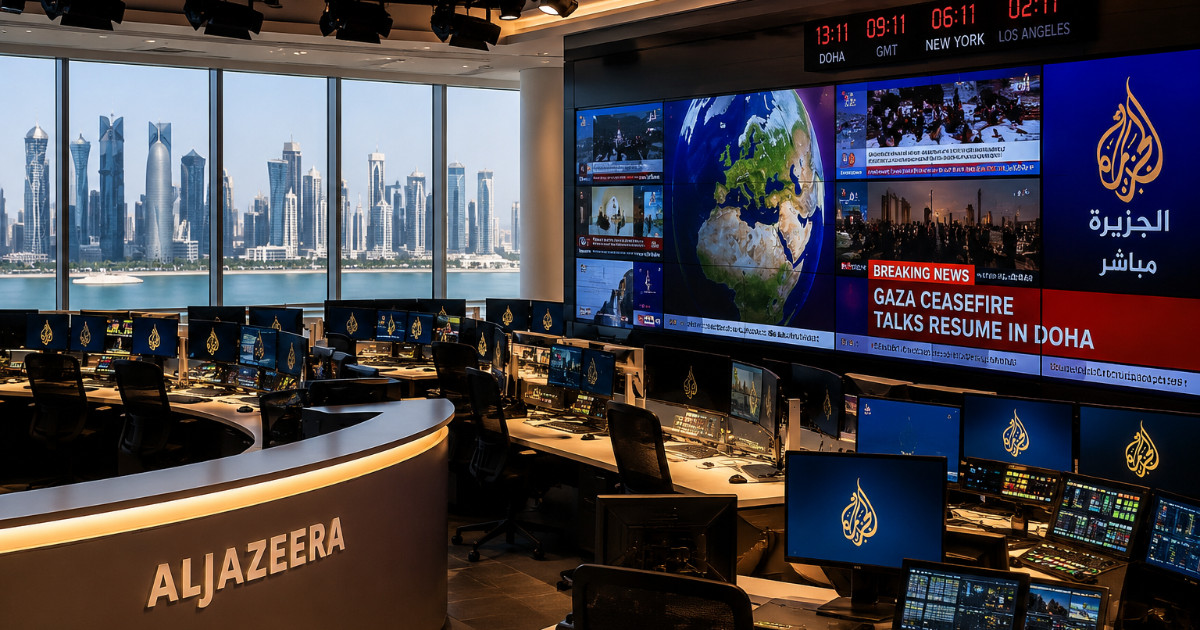
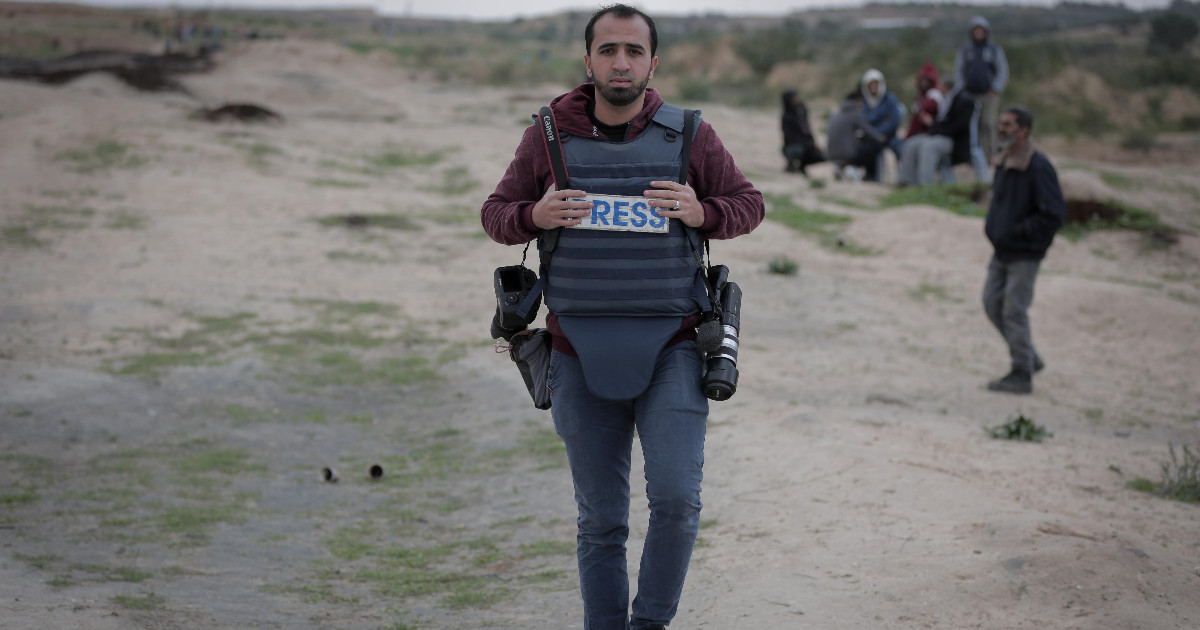
Journalists and editors across Gulf countries report growing challenges in accessing on-the-ground sources, as security restrictions tighten and movement becomes more limited. Newsrooms that once relied on field reporting are now pivoting toward remote coverage, often depending on official briefings and third-party data streams to piece together developments.
Shifting reporting methods amid access constraints
The changing security environment has forced many outlets to rethink traditional reporting models. With fewer correspondents able to operate freely in sensitive areas, satellite imagery, maritime tracking tools, and open-source intelligence have become more prominent in coverage of shipping disruptions and military activity.
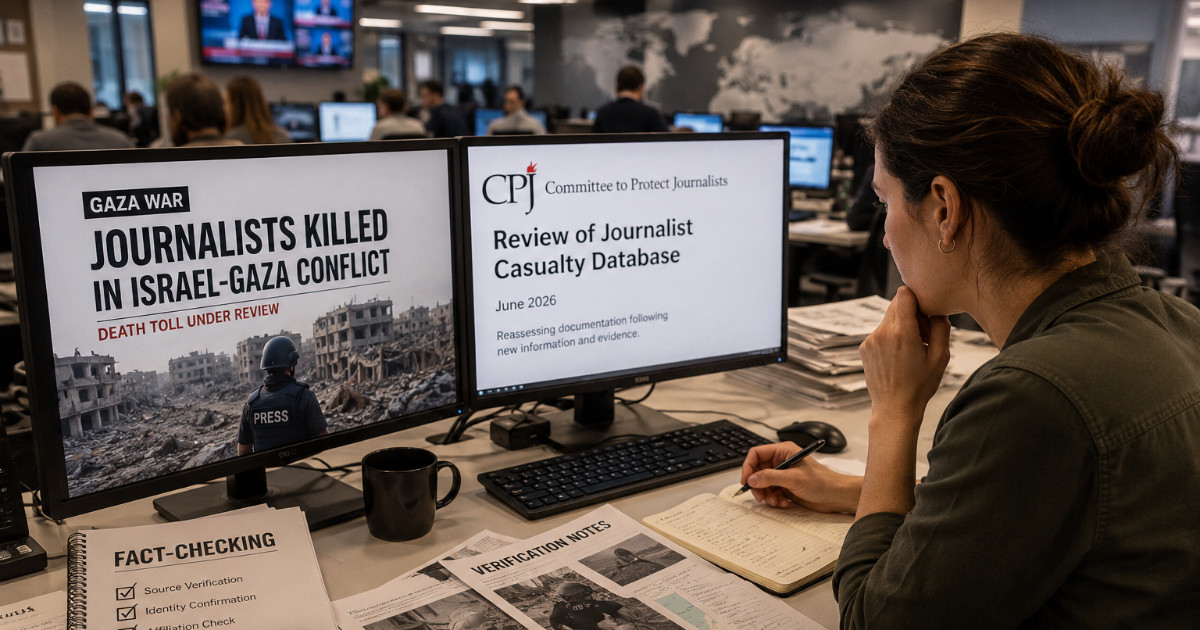
However, this shift also introduces new verification challenges. Editors must balance speed with accuracy as unverified footage and conflicting claims circulate rapidly online. Media professionals warn that reliance on indirect sources increases the risk of amplifying misinformation, particularly during fast-moving geopolitical crises where narratives can shift within hours.
Information risks and regional media pressures
The heightened tensions are also intensifying pressure on journalists working in politically sensitive environments. In several Middle Eastern countries, media outlets face strict regulatory frameworks that limit independent reporting on military or security issues. This has led to a greater dependence on official statements, which may not always provide a complete picture of unfolding events.
At the same time, cross-border information flows are becoming more fragmented. Competing narratives from regional actors are shaping public perception, while international media coverage often relies on limited access points. Analysts note that this fragmentation can deepen information silos, making it harder for audiences to distinguish verified facts from strategic messaging.
For international outlets, the situation underscores the vulnerability of global news supply chains during geopolitical crises. Disruptions in transportation and communication infrastructure can delay reporting and reduce the diversity of voices included in coverage.
WHY THIS MATTERS: For Pakistani journalists, the situation highlights the growing importance of verification skills and open-source intelligence tools when direct access is limited. Newsrooms in Pakistan, which often cover regional security developments from a distance, can draw lessons on balancing speed with accuracy while navigating official narratives. It also underscores the need for contingency planning in crisis reporting, particularly when geopolitical tensions affect information flows.
ATTRIBUTION: Based on a March 17, 2026, analysis by Reuters.
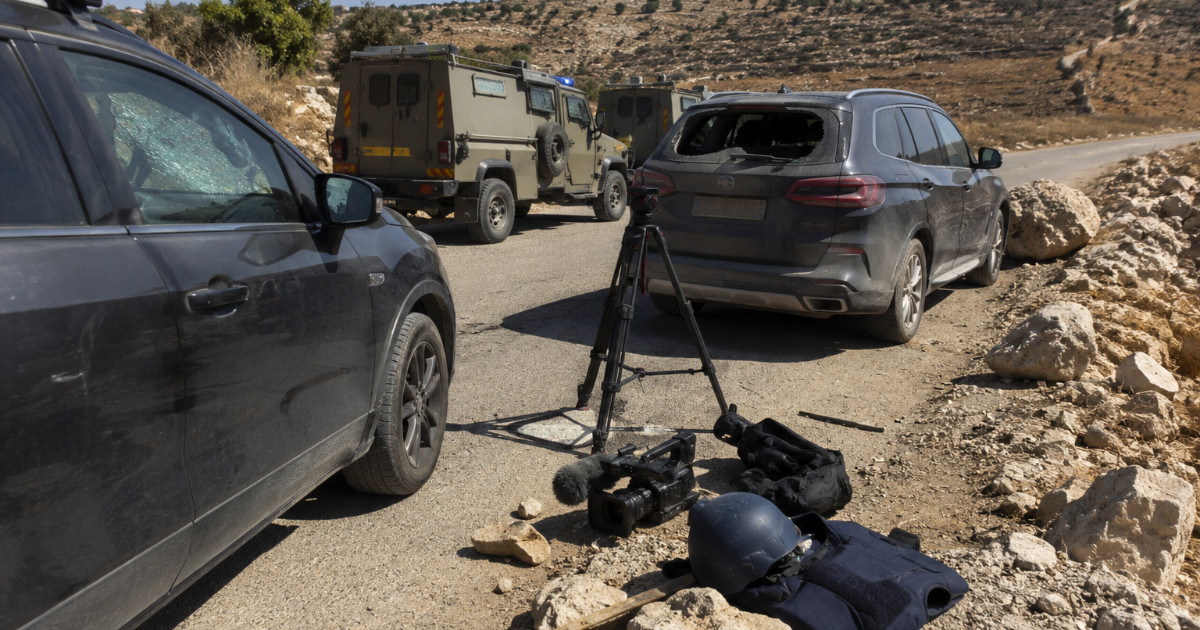
PHOTO: AI-generated; for illustrative purposes only.
Key Points
- Security restrictions and limited movement are curtailing on-the-ground reporting in Gulf countries.
- Newsrooms are pivoting to remote coverage using satellite imagery, AIS and other tracking tools.
- Greater reliance on open-source intelligence raises new verification and sourcing challenges.
- Unverified footage and competing claims increase the risk of amplifying misinformation.
- Logistical disruptions and information risks are reshaping editorial workflows and risk assessments.
Key Questions & Answers
How are reporters being affected by the Strait of Hormuz tensions?
Reporters face restricted access, heightened security controls and reduced ability to conduct field reporting, prompting many to shift to remote methods.
What tools are newsrooms using instead of field reporting?
Outlets are relying more on satellite imagery, AIS maritime tracking, commercial sensors and open-source intelligence to monitor shipping and military movements.
Why do editors worry about verification under these conditions?
Indirect sources and rapid online circulation of footage make it harder to confirm origins and context; this increases the chance of publishing unverified or misleading material.
What broader impacts could this have on regional coverage?
Coverage may become more dependent on official briefings and third-party data, potentially narrowing perspectives and elevating the influence of state or commercial sources.
Relevant Topics
Ask AI: Understand this story your way
AI EnabledDig deeper, ask anything — get instant context, background, and clarity.
Disclaimer: This feature is powered by AI and is intended to help readers explore and understand news stories more easily. While we strive for accuracy, AI-generated responses may occasionally be incomplete or reflect limitations in the underlying model. This feature does not represent the editorial views of JournalismPakistan. For our full, verified reporting, please refer to the original article.