
Sri Lankan lawmakers intimidating journalists over NYT article
JournalismPakistan.com | Published: 5 July 2018
Join our WhatsApp channel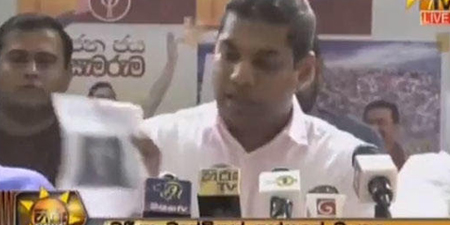
Lawmakers in Sri Lanka have launched a campaign against journalists who reported on Chinese ownership of a local port. The intimidation has drawn condemnation from various journalist organizations, highlighting ongoing concerns about press freedom in the country.Summary
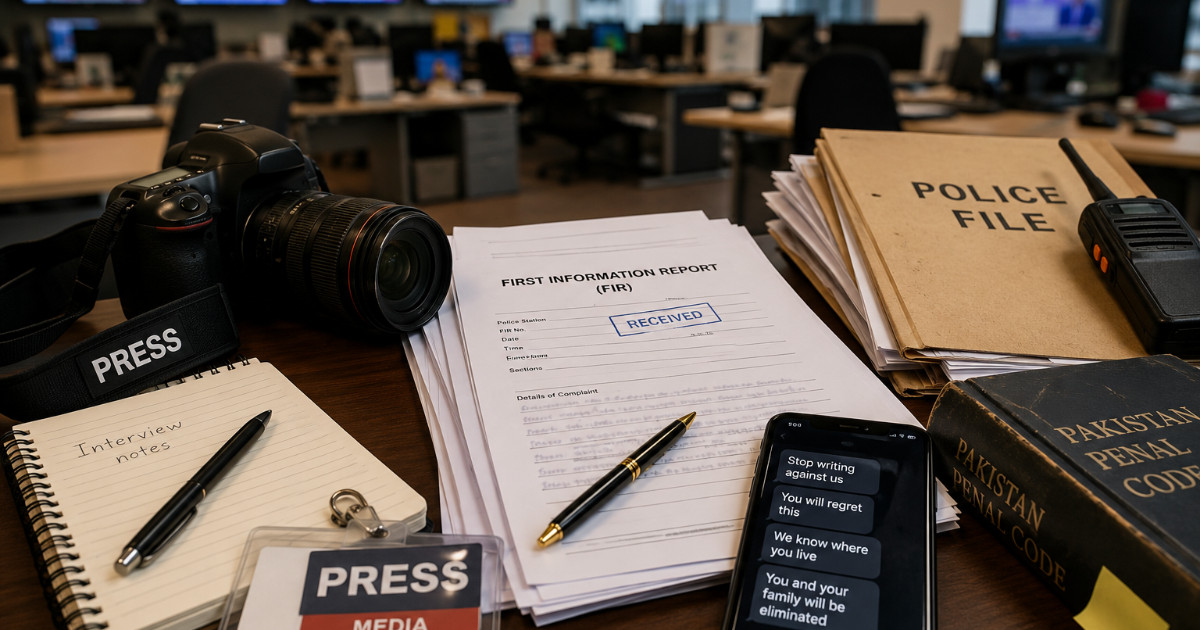
Following an investigation by the New York Times over Chinese ownership of a Sri Lanka port, Sri Lankan lawmakers have taken aim at two local NYT journalists with a campaign to discredit them and attack their families. The International Federation of Journalists (IFJ) and its affiliate the Sri Lanka Working Journalists Association (SLWJA) condemn the intimidation of the journalists, for simply doing their job.
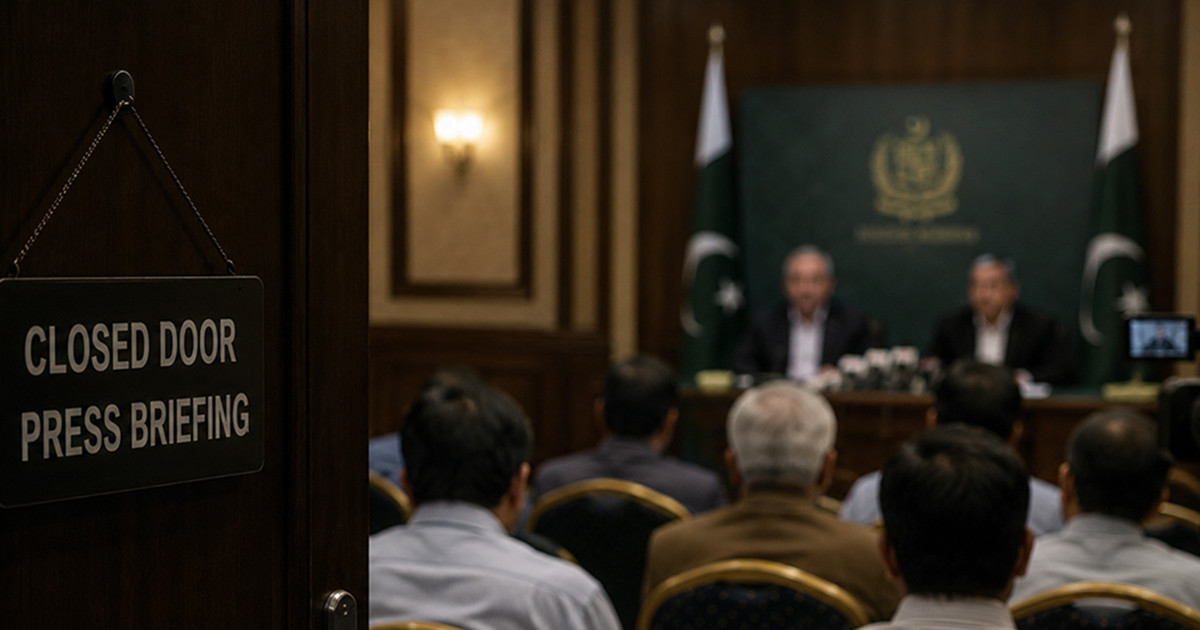
On Monday, July 2, Sri Lanka lawmakers, who are allies of former Sri Lanka President Mr Rajapaksa, held a press conference that was televised. They claimed that the two NYT journalists, Dharisha Bastians and Arthur Wamanan were working on behalf of the current government to malign Mr. Rajapaksa. The news conference followed a social media campaign to discredit the journalists and attack their families.
Mr Rajapaksa’s family supported the social media campaign, with his son, Nimal Rajapaksa a current member of parliament, reposting claims that Ms. Bastians and the main author of the ports investigation, the Times correspondent Maria Abi-Habib, had been paid to write the piece by Sri Lanka’s current government.
International editor of the NYT, Michael Slackman called the claims false and in a statement said the Times article was rigorously reported and accurate, and criticized the lawmakers’ news conference. “It is unacceptable for journalists to be intimidated in this way.
This action appears intended to silence critics and curb press freedoms, and ultimately deprive Sri Lankans of information in the public interest.
The Times expects the Sri Lankan authorities to ensure the safety of journalists working for our — or any — news organization.” Former president Rajapaksa has said that he is taking measures to file legal action against the New York Times over the report. SLWJA president Lasantha Ruhunge said: “There is an official method of replying to such articles.
Also, legal action can be taken against the newspaper if anybody thinks that it is an insult to him. But without following the correct procedures and threatening journalists indirectly, is totally unacceptable. One of the main promises among a lot of them, of the current Government before they came into power, was to bring back the lost press freedom.
However, we see no press freedom in our country because still, our journalists have to work with intimidations from Politicians, Government Officers and Police etc.
Therefore, by taking the above facts into consideration, SLWJA urges Government to ensure press freedom as well as lives of journalists.” The IFJ said: “We stand with SLWJA in condemning the targeted attack and intimidation of two Sri Lanka journalists over an investigative report. Press freedom in Sri Lanka has come through a turbulent past, to grow and strengthen in recent years.
However actions such as this only work to weaken press freedom, and dark the media back to the dark days under the Rajapaksa government. We call on President Sirisena to ensure all politicians understand and support the role of the free press.” - IFJ media release
Key Points
- Sri Lankan lawmakers targeting NYT journalists over a report on port ownership.
- Campaign involves discrediting journalists and attacking families.
- International and local journalist organizations condemn the intimidation.
- Former President Rajapaksa threatens legal action against the NYT.
- Press freedom in Sri Lanka is under significant threat amid political tensions.
Relevant Topics
Ask AI: Understand this story your way
AI EnabledDig deeper, ask anything — get instant context, background, and clarity.
Disclaimer: This feature is powered by AI and is intended to help readers explore and understand news stories more easily. While we strive for accuracy, AI-generated responses may occasionally be incomplete or reflect limitations in the underlying model. This feature does not represent the editorial views of JournalismPakistan. For our full, verified reporting, please refer to the original article.