
PML-N's relations with the press and media
JournalismPakistan.com | Published: 26 May 2013 | Fakiha Hassan Rizvi
Join our WhatsApp channel
This article discusses the complex relationship between PML-N and the media in Pakistan. It highlights the importance of media support in Past elections and urges the party to reconsider its approach to press freedom.Summary
LAHORE: Pakistan Muslim League –Nawaz (PML-N) is geared up to govern Pakistan, under the leadership of Mian Muhammad Nawaz Sharif. Third chance to grasp the throne, inevitably, precipitates multiple hopes, expectations and above all, renewed political acumen.
A substantial mandate and favorable public opinion has made Nawaz indebted towards the nation. Members of the civil society appreciate his humility, however, in my opinion, this should have been an obvious outcome, keeping in view the degree of trust that the nation bestowed upon him. Several factors contributed to his victory. Among the long list, projection given to PML-N by the media stands out.
Few months before the elections almost all the television channels made their prime time slot anchor persons sit in the Metro bus with Mian Muhammad Shahbaz Sharif, the then Chief Minister of Punjab province (and hopefully the new one as well). Three exclusive interviews were given by Mian Muhammad Nawaz Sharif to a single private television channel in 2012.
On the other hand, his younger brother always enticed media's eye with his fiery rhetoric and unique speeches studded with rhythmic abstracts from the poems of Habib Jalib. Shahbaz even encountered the 'youthful Tsunami' under the captaincy of Imran Khan and organized events like Youth Festival to get Pakistan's name in the Guinness Book of World Records. The partnership of Guinness World Record with the Punjab Youth Festival was peculiar and a rare accord in the country's history. Whatever the reasons, it provided PML-N immense 'media exposure' before the formal electioneering campaigns began.
A glance at the past explains that the present-day press in general had been quite sympathetic towards PML-N in the context of party's relations with the media during its previous tenure. During 1999's Nawaz had become increasingly intolerant and frequent attempts were made to muzzle the media. Journalists were harassed and victimized during 1988-99.
- Mahmud Lodhi (a Lahore-based journalist), was picked up and held in illegal custody for two days. He was inquired about his involvement with a BBC team filming a documentary on the rise and wealth of the Sharif family.
- CIA police raided the residence of Idrees Bakhtiar, staff reporter of the Herald and Karachi-based correspondent of the BBC. This was the fate of journalists and media professionals associated with international media outlets like the BBC.
Those affiliated with national or regional publications were gagged more severely.
- The owner of The Frontier Post, Rehmat Shah Afridi, was arrested in Lahore on April 2, 1999. The Peshawar-based Frontier Post was critical of government's policies.
- Najam Sethi, the Editor of Friday Times was arrested from his house in Lahore in the most unethical and humiliating manner reportedly on the orders of Nawaz Sharif. Later, Nawaz Sharif reportedly asked the then Chief of Army Staff General Musharraf to charge Mr. Sethi under the Pakistan Army Act for being a traitor.
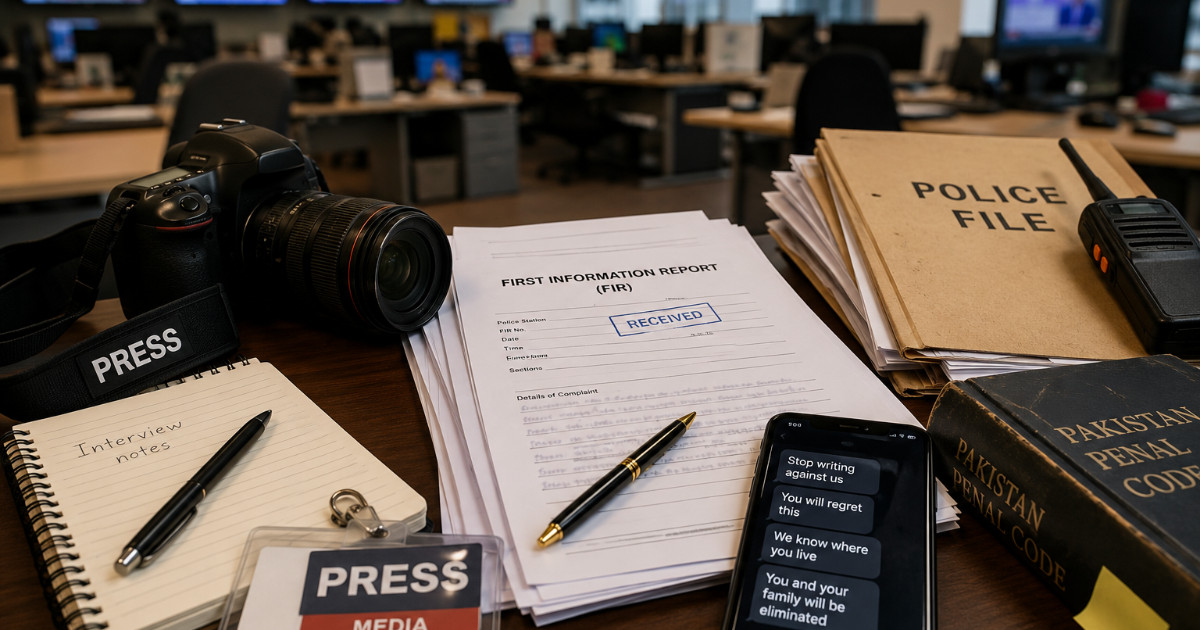
- The Committee to Protect Journalists (CPJ), a press freedom organization, said on June 1, 1999 that it was conducting an investigation into a “hit list” prepared by the Pakistan government that had names of 35 prominent Pakistani journalists. According to reports received by the CPJ, the federal government had decided to establish a special media cell comprising officials from the police, Intelligence Bureau and the Federal Investigation Agency to punish journalists, who had been writing against the government.
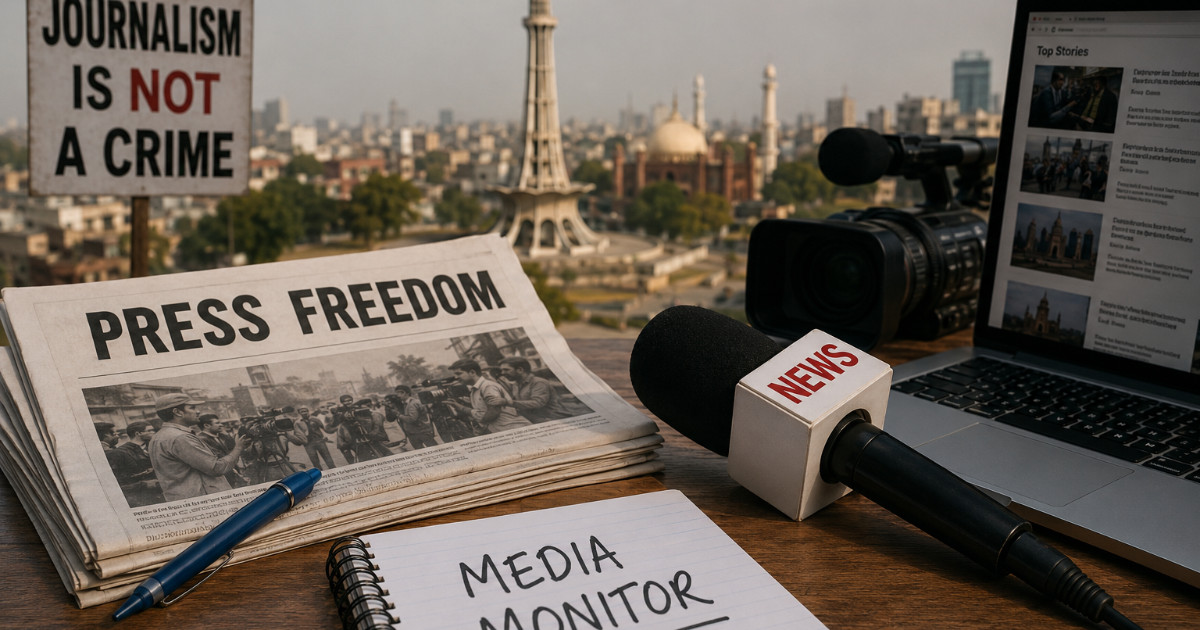
The aforementioned examples don't indicate PML-N as a tolerant party when it comes to the press. It shouldn't be forgotten that 'if' Nawaz believed in a free and impartial national media, he could have stopped dictatorial boots from coming in the political arena of the country for the third time. The army could have taken over the PTV station at that time as it was the only broadcast television channel then. Had there been networks like Geo TV and more space for journalists to express their opinions, things would have been nearly impossible for General Musharraf.
PML-N needs to revise the past acts against the media and press. The party shouldn't forget what the media has done to make its success certain in the general elections of 2013. In the latest article published in Newsweek, which considered Nawaz to be the most significant leader in Pakistan's history after Jinnah it has been suggested that the PML-N should avoid its over-responsiveness to the media and be more logical. Among other obvious indicators of good governance, PML-N's relations with the press and media would be under stringent observation this time.
(The writer is a student of BS Mass Communication at the University of the Punjab and blogs at www.fakihahassanrizvi.wordpress.com)
Key Points
- PML-N's media strategy significantly influenced its electoral success.
- Past suppression of media under Nawaz Sharif raises concerns about press freedom.
- PML-N is urged to adopt a balanced approach towards media relations.
- Public expectations from PML-N increase with its return to power.
- Media's role in shaping political narratives is critical for good governance.
Relevant Topics
Ask AI: Understand this story your way
AI EnabledDig deeper, ask anything — get instant context, background, and clarity.
Disclaimer: This feature is powered by AI and is intended to help readers explore and understand news stories more easily. While we strive for accuracy, AI-generated responses may occasionally be incomplete or reflect limitations in the underlying model. This feature does not represent the editorial views of JournalismPakistan. For our full, verified reporting, please refer to the original article.