
PFUJ-led countrywide protests slam PTI's anti-media policies
JournalismPakistan.com | Published: 22 October 2020
Join our WhatsApp channelJournalists across Pakistan protested against the government's anti-media policies, urging for respect for press freedom and rights. The Pakistan Federal Union of Journalists led these demonstrations to highlight issues like wage delays and censorship.Summary
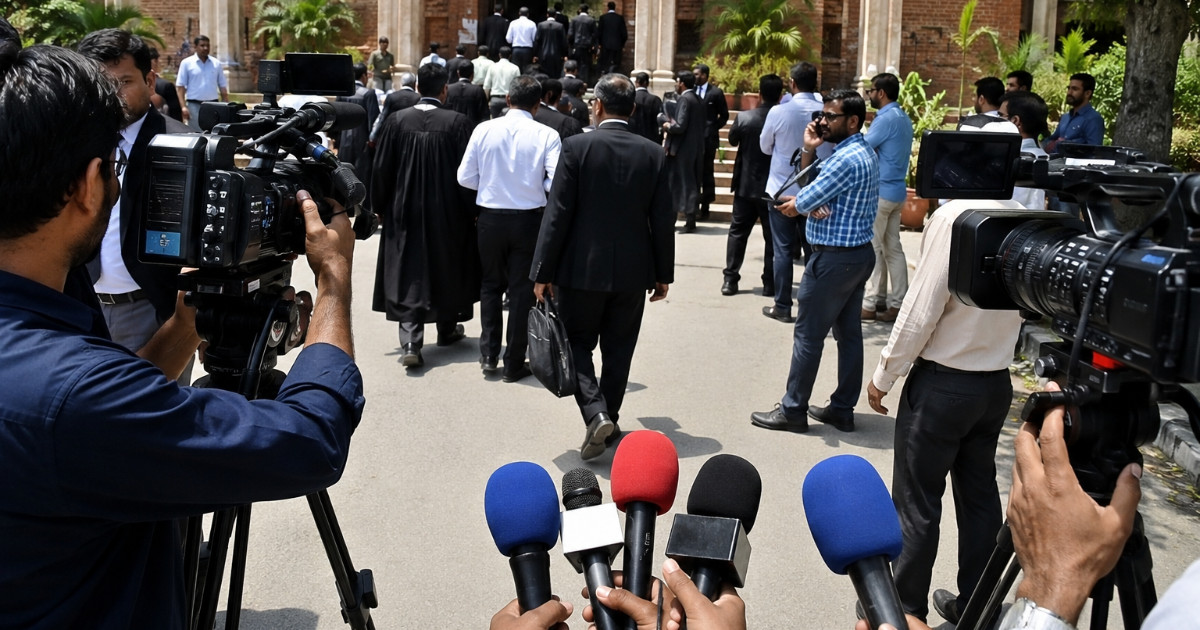
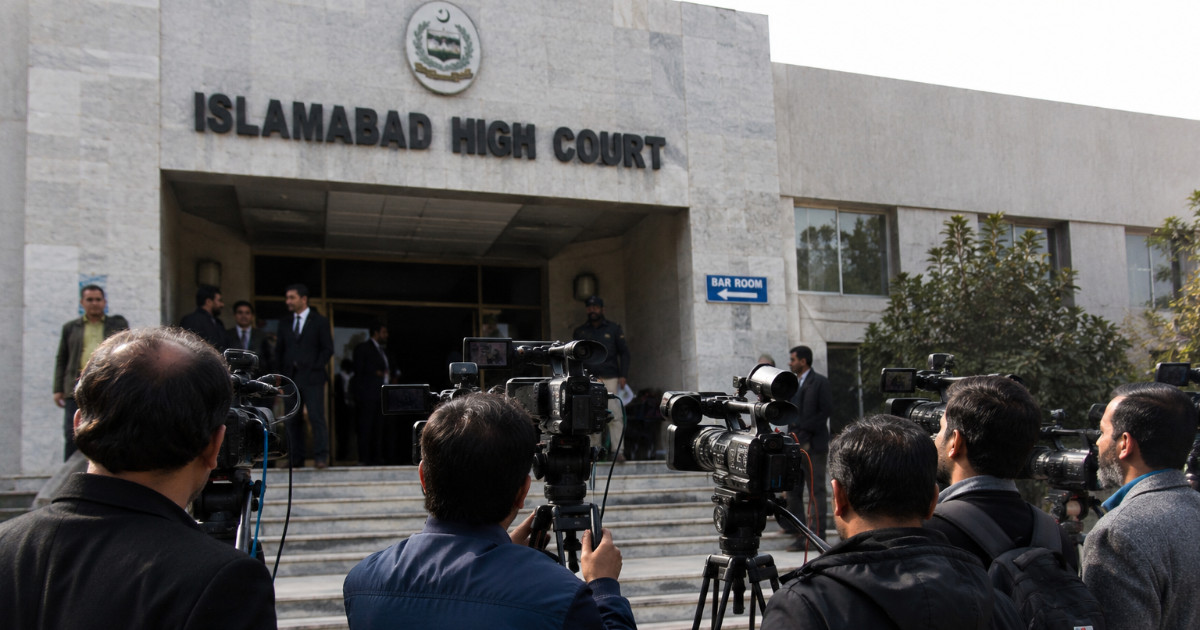
ISLAMABAD—Journalists across Pakistan held protest rallies Thursday to condemn shrinking freedom of press, speech, and expression under the PTI government.
The Pakistan Federal Union of Journalists (PFUJ) had called for countrywide protests against wage delays, mass layoffs, censorship, and non-implementation of the wage board.
Thirteen unions of journalists strongly condemned Prime Minister Imran Khan’s government for adopting anti-media and fascist policies for controlling the media.
In Islamabad, the Rawalpindi-Islamabad Union of Journalists (RIUJ) organized the protest, which journalist bodies, politicians, civil society representatives, and senior journalists attended. They called for joining hands to defend press freedom. Former Chairman Senate, Senator Raza Rabbani, addressed the rally. He called for launching a movement without delay and said the government wanted to suppress the media and voices of descent.
“The time for compromise has gone, and we now have to fight for people’s rights, democracy, and freedom of press unitedly,” he said.
PFUJ President Shahzada Zulfiqar addressed a protest rally in Quetta. He called for respecting the constitutional rights of Pakistanis and ensuring press freedom. “Rights guaranteed in the 1973 Constitution of Pakistan cannot be denied, and we will defend them at any cost; we are committed to ensuring freedom of press and media in the country.”
PFUJ Secretary General Nasir Zaidi talked about PFUJ’s struggle for journalists’ rights and sacrifices for democracy. He urged the media community to brace for a long struggle for fundamental rights. “We have to fight against forces of fascism which in the name of so-called democracy are adopting anti-media policies just to suppress the media.”
He said that even the consensus 8th Wage Board Award was not being implemented, which was a failure of the current government.
Shakeel Anjum, President National Press Club, Islamabad, and Secretary Anwar Raza called for a continued struggle to protect the media and journalists’ rights.
President RIUJ, Amir Sajad Syed, and Secretary Asif Ali Bhatti said that they would not tolerate press freedom restrictions. “We are committed to fighting these curbs,” they said.
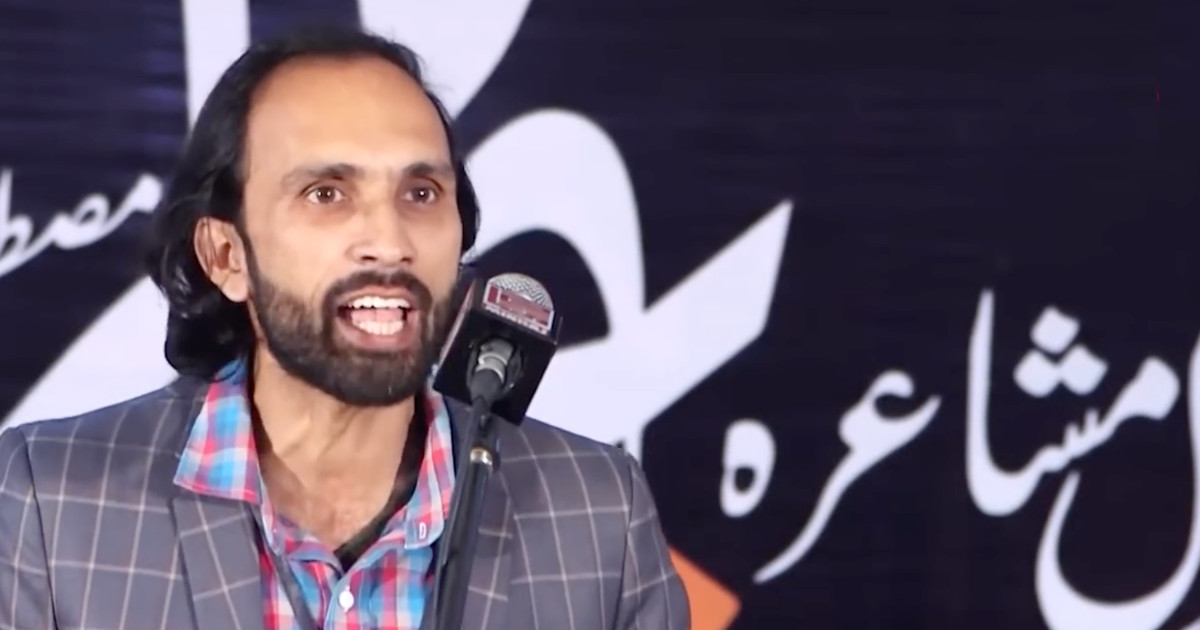
Geo News presenter Hamid Mir warned the government and anti-media forces that abductions and censorship through hidden hands could not deter journalists. “We will not accept the journalist protection bill, rejected by journalists during the previous PML-N government, which is now reportedly being adopted by the Imran Khan-led government.”
Former President of PFUJ Afzal Butt criticized the government for layoffs and non-payment of dues to state-run Radio Pakistan and Pakistan Television apart from private media retrenchments.
Muhammad Ashraf of PTV Retired Employees Forum informed the rally about the victimization and denial of retirement dues and forced retirements in PTV.
Amar Rasheed of Awami Workers Party, Sardar Shaukat, Sagheer Chaudhry, Arshad Waheed Chaudhry, Nisar Ahmed, Sharjeel Rao, and Bilal Dar also addressed the rally and criticized the government for suspending the transmission of Channel 24 and adopting anti-media policies. They demanded immediate restoration of the channel’s transmission and advertisements for regional newspapers to save journalists’ families from a further financial crises.
Key Points
- PFUJ organized nationwide protests against anti-media policies of the PTI government.
- Former Senate Chairman Raza Rabbani called for a united movement to defend press freedom.
- Protestors condemned delays in wage implementation and mass layoffs in the media sector.
- Speakers urged the government to respect constitutional rights and ensure media protection.
- Journalists reaffirmed their commitment to fighting against censorship and suppression.
Relevant Topics
Ask AI: Understand this story your way
AI EnabledDig deeper, ask anything — get instant context, background, and clarity.
Disclaimer: This feature is powered by AI and is intended to help readers explore and understand news stories more easily. While we strive for accuracy, AI-generated responses may occasionally be incomplete or reflect limitations in the underlying model. This feature does not represent the editorial views of JournalismPakistan. For our full, verified reporting, please refer to the original article.