.png)
Parliamentary panel urges government to approve Right to Information Bill
JournalismPakistan.com | Published: 24 February 2015
Join our WhatsApp channel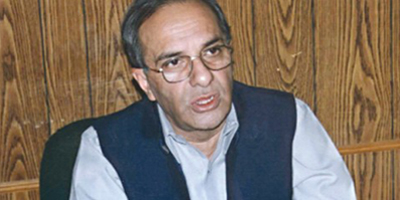
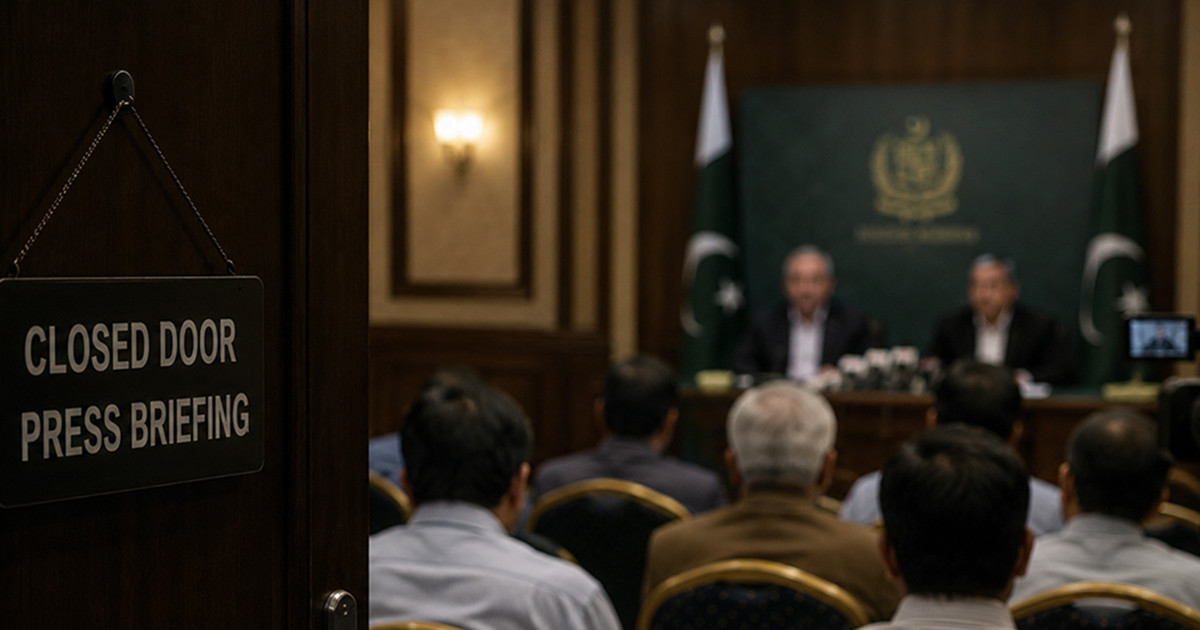
The Senate Standing Committee on Information and Broadcasting called for the urgent approval of the Right to Information Bill. The meeting also addressed PEMRA's code of conduct and the need for financial support for Pakistan Television.Summary
ISLAMABAD: A parliamentary panel Tuesday urged the government to pass the Right to Information Bill and a code of conduct for Pakistan Electronic Media Regulatory Authority (PEMRA) on priority basis.
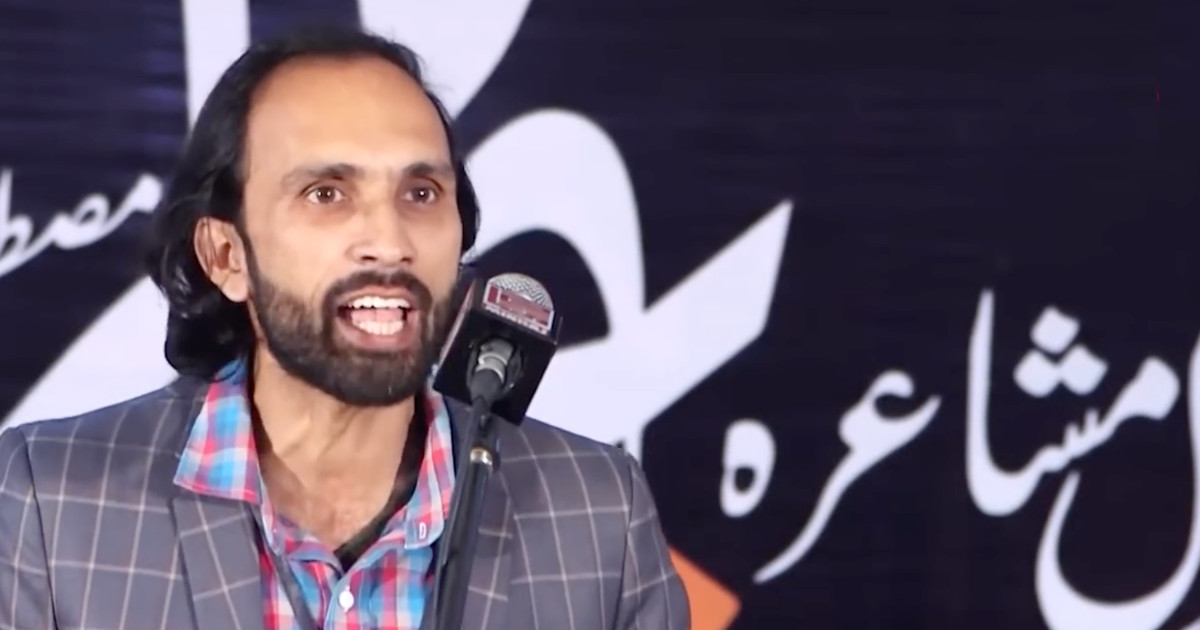
Chairman of the Senate Standing Committee on Information and Broadcasting Senator Kamil Ali Agha (pictured) said the government was dragging its feet on passage of the right to information bill for some inexplicable reasons.
Briefing the committee members, Managing Director Pakistan Television Mohammad Malick said that his organization needed around Rs2 billion to revamp the sports channel and they were planning to seek a loan to do so.
“The board of directors has approved the summary for loan and it is now pending with the Ministry of Finance,” he said.
Pakistan Broadcasting Corporation Director General, Imran Gardezi said that an inquiry is in progress against 14 officials for their alleged involvement in corrupt practices.
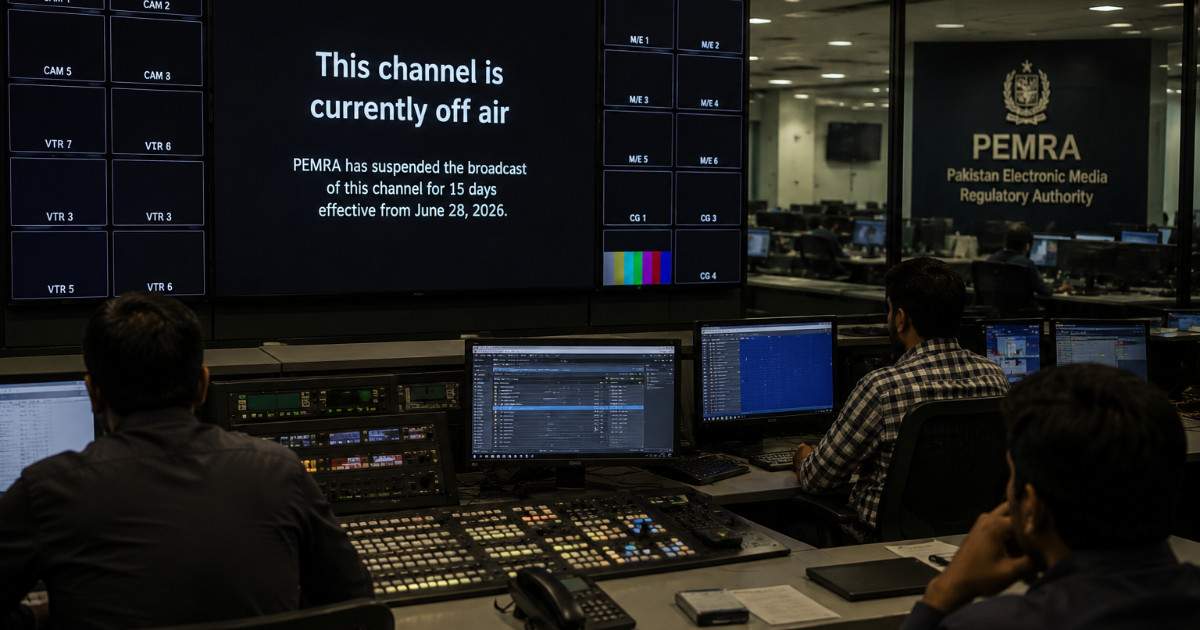
Chairman PEMRA Pervaiz Rathore briefed the committee members on the code of conduct. “We have prepared a proper code of conduct for the media and a copy of it is dispatched to the ministry,” he said, adding that it is now the job of the ministry to approve and implement it.
The chairman said that they are planning to launch Direct-to-Home television distribution system and this would help improve performance of PEMRA besides raising some four billion rupees.
“We are also going to hold bidding for seven satellite television stations and this would also help raise Rs1 billion,” he said.
Key Points
- Parliamentary panel urges government to pass Right to Information Bill.
- PEMRA's code of conduct pending approval from the ministry.
- Pakistan Television requires Rs2 billion for revamping sports channel.
- Inquiry ongoing against 14 officials over alleged corruption.
- Plans to launch Direct-to-Home television distribution system.
Relevant Topics
Ask AI: Understand this story your way
AI EnabledDig deeper, ask anything — get instant context, background, and clarity.
Disclaimer: This feature is powered by AI and is intended to help readers explore and understand news stories more easily. While we strive for accuracy, AI-generated responses may occasionally be incomplete or reflect limitations in the underlying model. This feature does not represent the editorial views of JournalismPakistan. For our full, verified reporting, please refer to the original article.