.png)
Paris supermarket hostages sue media over live coverage
JournalismPakistan.com | Published: 5 April 2015
Join our WhatsApp channel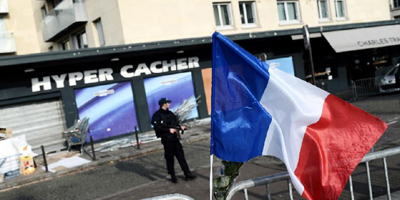
The lawsuit claims that live media coverage during the January supermarket siege endangered hostages' lives. A lawyer representing the hostages criticizes media practices in crisis situations.Summary
PARIS: Six people who hid in a kosher supermarket refrigerator during January's Islamist attacks in Paris are suing French media for broadcasting their location live during the siege.
Images broadcast from the scene on January 9, when gunman Amedy Coulibaly stormed into the Hyper Cacher Jewish supermarket, killing four and taking others hostage, "lacked the most basic precautions" and endangered those still alive inside, said a lawyer representing the group, Patrick Klugman.
Klugman singled out French 24-hour news channel BFMTV, which revealed live on air that the group -- including a three-year-old child and a one-month-old baby -- was hiding from Coulibaly in the cold room, where they were taken by one of the supermarket's employees.
"The working methods of media in real time in this type of situation were tantamount to goading someone to commit a crime," Klugman told AFP Thursday, also roundly criticising coverage by other outlets of security forces movements during the standoff.
The lives of those hiding "could have been at risk if Coulibaly had been aware in real time what BFMTV was broadcasting," Klugman said, adding that the jihadist was following the coverage of his raid on different channels and had been in contact with BFMTV journalists.
The heavily televised events at Hyper Cacher in eastern Paris came two days after Cherif and Said Kouachi shot dead 12 people at the offices of satirical magazine Charlie Hebdo. All three gunmen were killed after three days of attacks left a total of 17 people dead and deeply shocked France.
The lawsuit charges media outlets with endangering the lives of others by deliberately ignoring security protocols, which carries a maximum penalty of a year in prison and 15,000-euro ($16,300) fine.
BFMTV apologised in a statement Friday, saying that it "regretted that this information could have made the hostages or their relatives feel their lives were in danger."
But it insisted that after it announced live that a "woman was hiding inside Hyper Cacher", the editor in chief decided that the information should not have been broadcast and "it was never repeated".
"We realised very quickly that a phrase by one of our journalists... about a hostage in the cold room was inappropriate, and was an error," the station's director of information Herve Beroud said earlier.
In February, he confirmed that the journalist had been told about the woman by one of the police special forces team that had surrounded the supermarket. He had assured him that the hostage was no longer in danger and the police team were in place close to the store. - AFP
Key Points
- Six supermarket hostages are suing French media
- Claims live coverage endangered their lives
- BFMTV revealed their location during the siege
- Lawsuit addresses media negligence during attacks
- BFMTV issued an apology for inappropriate broadcast
Relevant Topics
Ask AI: Understand this story your way
AI EnabledDig deeper, ask anything — get instant context, background, and clarity.
Disclaimer: This feature is powered by AI and is intended to help readers explore and understand news stories more easily. While we strive for accuracy, AI-generated responses may occasionally be incomplete or reflect limitations in the underlying model. This feature does not represent the editorial views of JournalismPakistan. For our full, verified reporting, please refer to the original article.