
Pakistan media's fight against corruption
JournalismPakistan.com | Published: 6 July 2012 | Haris bin Aziz & Mokhtar Wafayi
Join our WhatsApp channel
Pakistan’s media landscape expanded after 2002 with dozens of private TV channels and greater independence. Journalists have uncovered multiple major corruption cases, including Malik Riaz’s mediagate and several high-profile public sector scandals. The article explores whether Afghan media can draw lessons from Pakistan despite differing political and security conditions.Summary
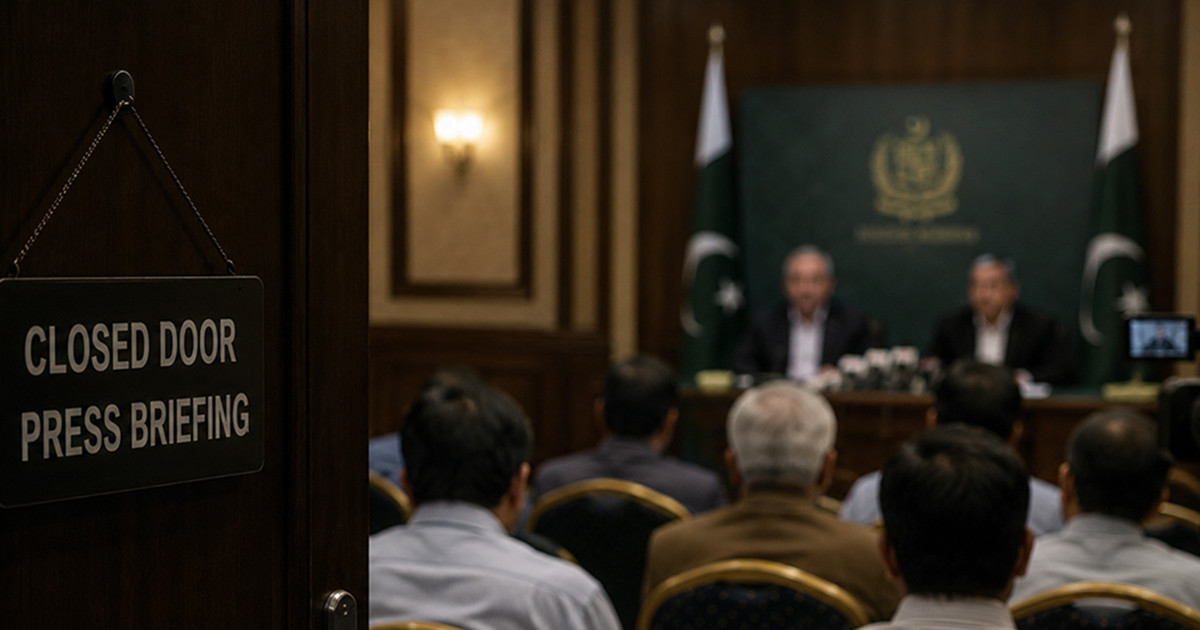
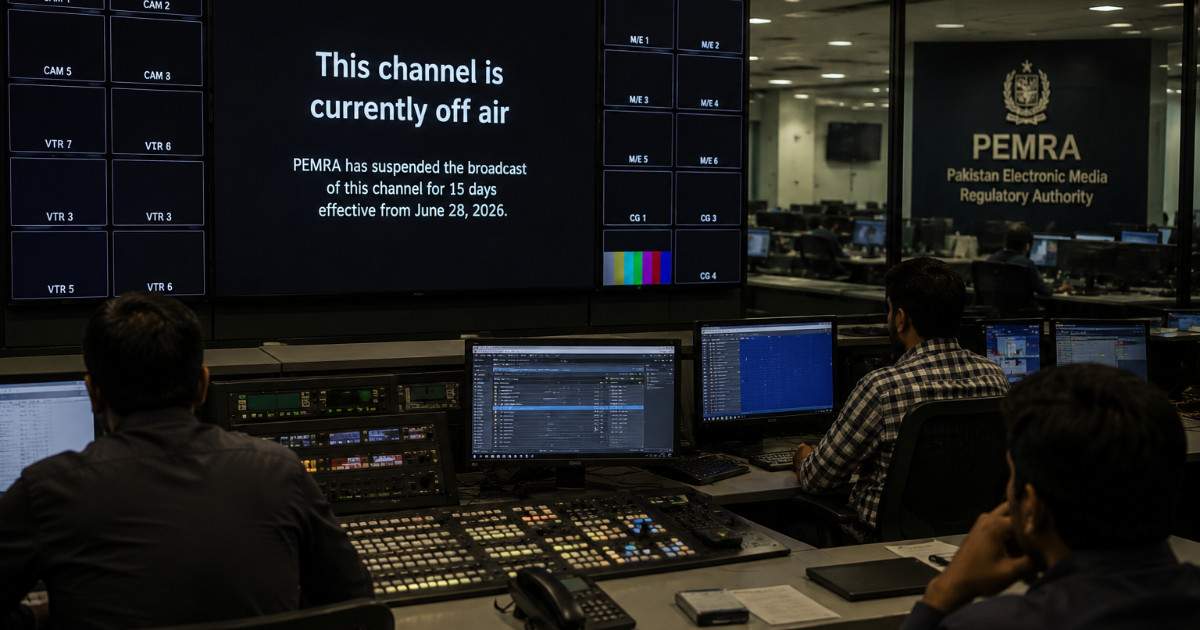
A case study for Afghan media : Since 2002, the Pakistani media has become powerful and independent and the number of private television channels has grown to 89 according to Pakistan Electronic Media Regulatory Authority (PEMRA). Since the introduction of a vibrant private media, many major scams have been unveiled by journalists.
Notable among them are Pakistan Steel’s 22 billion rupees scam, NICL case, corruption in Pakistan International Airlines and Pakistan Railways, Hajj corruption, NATO containers’ case, rental power projects and Ephedrine quota case etc. Pakistan and Afghanistan share not only border but history, culture, religion and societal structure too.
Both countries are severely hit by corruption and media of both has gained much independence and credibility during the past 10 years.
In this scenario, it is widely believed that Afghan journalists can follow footsteps of their fellows in Pakistan where most important among recently unveiled corruption cases is Malik Riaz’s mediagate in which the son of the Chief Justice of Pakistan is said to have taken money from this property tycoon for ensuring favorable decisions from the court.
“Malik Riaz case proved that media can hold judiciary and even itself accountable too,” says Javed Chaudhry, a columnist and anchorperson working with the Express media group.
“This case, along with missing persons’ case established impartiality and credibility of media in its fight against corruption.” Javed feels, like many other countries the media in Pakistan has become free and fair during the past 10 years.
“The Pakistani media has covered journey of a 100 years in just 10 years but curiosity and thrust for revelation never end and the same unending process is driving the media,” he says. The Pakistani media flourished during the last decade and same remained the case in Afghanistan too.
But whether Pakistani newsmen can become a role model in fighting corruption for their Afghan counterparts or not, remains a big question. Javed is optimistic in this regard too. “Pakistan and Afghanistan have culture, history and social fabric in common and hence media can play the same role in Afghan society too as it played in Pakistan.” Ground conditions in Pakistan and Afghanistan are different.
Weak political structure, vulnerable security situation, foreign occupation and economic instability are having their impact on every walk of life in Afghanistan. For the media too, there is no exception to the rule and Afghan media’s economic reliance on foreign aid is regarded as the biggest hidden threat.
Muhammad Malick, Resident Editor of The News in Islamabad is of the same opinion, saying that pouring in of foreign aid in Afghanistan changes the scenario in the neighbourhood. “Economic independence is the biggest factor in the growth of Pakistani media.
In Pakistan, private sector has become strong enough during the last 10 years to invest in media and to get it out of state’s control,” he says. “Decreasing reliance of media on advertisements from the state has given it a chance to become strong and independent.
Ten years before, media was getting 70-75% advertisements from thegovernment and only 25-30% from the private sector but now the equation is just the opposite” Malick explains. "The Afghan media is very young and immature. It is not in a capacity to reveal scandals like media in Pakistan does.” Afghan journalist Harun Najafizada shows another side of the picture.
“A lot of scandals, like the Kabul Bank, came from foreign media and then Afghan media picked it up. The reason is that the sources in Afghanistan are not helpful. They prefer to talk to international media for different reasons.” Harun agrees that Afghan media has more potential than foreign media provided it is given time to saturate.
“Local media knows the language, the culture and it can easily become friends with official sources and it can then report big stories." Lacunas exist on Pakistani media’s part too. Most notable is its inability to hold itself accountable and to resist pressure coming from owners of media groups.
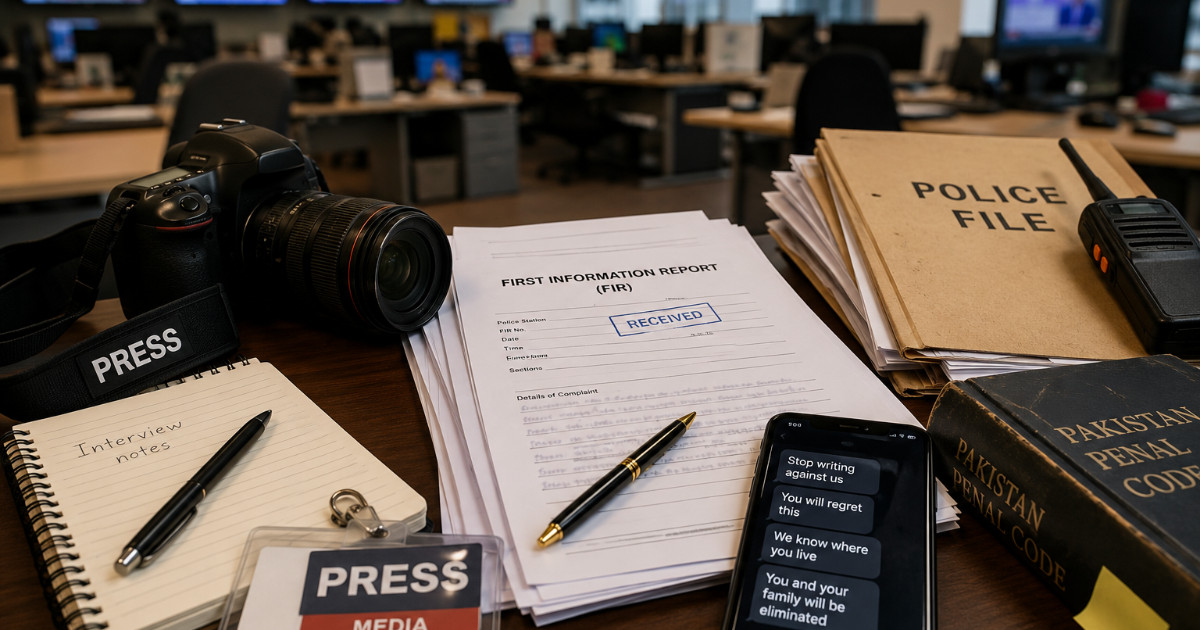
Mostly journalists succumb to the threats coming from political factions or sometimes willingly tilt towards yellow journalism and file “table stories” or host planted shows on TV.
Matiullah Jan, a senior journalist tried to highlight the irregularities and corruption within the media but was stopped due to immense pressure by the owners of the media house he worked for and even some journalists associations. “Pakistani media is unable to hold itself accountable,” he says and alleges media of crossing its limits while giving stories to the judiciary to take notices of.
“Media and judiciary are inter-dependent; both went overboard while using each other to increase their strength.” “But even after that Pakistani media can become a model for Afghan media to eradicate corruption,” adds Matiullah, “provided it focuses more on journalistic investigation and prefers producing evidence over putting allegations only.” (This report was written during the Af-Pak Journalists’ Fellowship Program organized by Friedrich-Ebert-Stiftung, Pakistan)
Key Points
- PEMRA data cited that private TV channels grew to 89 as Pakistan’s media became more independent after 2002.
- Pakistani journalists exposed major scandals including Pakistan Steel, NICL, PIA, Railways, Hajj corruption, NATO containers, rental power projects and the Ephedrine quota case.
- Malik Riaz’s mediagate is highlighted as a test of media accountability involving alleged payments linked to the Chief Justice’s son.
- Commentator Javed Chaudhry argues the media’s role in corruption cases strengthened its credibility and impartiality.
- The article notes shared Pakistan-Afghanistan social context but different ground realities in Afghanistan affecting media conditions.
Relevant Topics
Ask AI: Understand this story your way
AI EnabledDig deeper, ask anything — get instant context, background, and clarity.
Disclaimer: This feature is powered by AI and is intended to help readers explore and understand news stories more easily. While we strive for accuracy, AI-generated responses may occasionally be incomplete or reflect limitations in the underlying model. This feature does not represent the editorial views of JournalismPakistan. For our full, verified reporting, please refer to the original article.