
Nawaz Sharif orders blasphemous content be removed from social media
JournalismPakistan.com | Published: 15 March 2017
Join our WhatsApp channel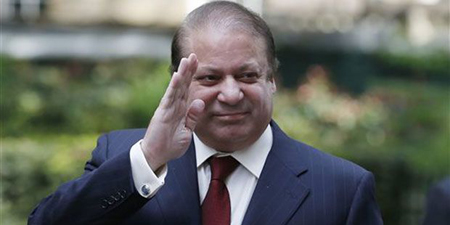
Prime Minister Nawaz Sharif ordered the removal of blasphemous content from social media to appeal to conservative voters. He emphasized immediate action and strict penalties for those posting such material.Summary
Prime Minister Nawaz Sharif Tuesday ordered that "blasphemous" content on social media websites be removed or blocked and those posting such material "strictly punished."
Blasphemy is a criminal offense in Pakistan and can carry the death penalty. Sharif's tough talk against blasphemy will appeal to his conservative voter base ahead of elections likely to take place next year.
"Effective steps must be taken immediately to remove and block such content," the prime minister said in a statement. He instructed Pakistan's foreign ministry to contact international foreign social media firms and demand the blocking of blasphemous posts. He did not mention any company by name, but social networks such as Facebook Inc, its Instagram unit, and rival Twitter Inc are popular in Pakistan. "All relevant institutions must unite to hunt those who spread such material and to award them strict punishment under the law," Sharif said. Blasphemy is a highly charged issue in Pakistan where even being accused of insulting Islam or Prophet Mohammad can provoke targeted acts of violence by religious right-wing vigilantes. Dozens have been murdered over blasphemy allegations, according to the Center for Research and Security Studies. In one high-profile case in 2011, the governor of Punjab province, Salman Taseer, was assassinated by one of his bodyguards after he called for reform of the country's blasphemy laws. Taseer's killer, Mumtaz Qadri, was executed last year, but not before becoming a hero in the eyes of the religious right. Sharif also called for punishment for those who used the country's blasphemy laws to settle private disputes, which critics of the religious law say happens frequently. When a group of five liberal activists went missing earlier this year, they were accused by religious hardliners of blasphemy. Some among the group had previously criticized the political influence of the military and spoken up for the rights of religious minorities. They later reappeared in public in Pakistan. The activists, one of whom claimed to have been tortured by a state institution linked to the military, denied the accusations of blasphemy. The military and the government denied any involvement in their brief disappearance. Earlier on Tuesday, at a ceremony in Karachi to commemorate the Hindu religious festival of Holi, Sharif said he would fight for Pakistan's minority communities who were "unjustly treated." "It is a matter of great satisfaction that the Pakistani nation has always rejected politics of hate," he said. In January, Sharif inaugurated the restoration of an ancient Hindu temple complex in Punjab, a gesture seen by many as an appeal to the Muslim nation's minority communities and an attempt to soften the country's image abroad. - Reuters/Image courtesy: Samaa.tv
Key Points
- Sharif ordered removal of blasphemous content from social media.
- Blasphemy is a serious offense in Pakistan with severe penalties.
- His stance aims to strengthen support from conservative voters before elections.
- Sharif instructed the foreign ministry to contact social media companies.
- He condemned misuse of blasphemy laws for personal disputes.
Relevant Topics
Ask AI: Understand this story your way
AI EnabledDig deeper, ask anything — get instant context, background, and clarity.
Disclaimer: This feature is powered by AI and is intended to help readers explore and understand news stories more easily. While we strive for accuracy, AI-generated responses may occasionally be incomplete or reflect limitations in the underlying model. This feature does not represent the editorial views of JournalismPakistan. For our full, verified reporting, please refer to the original article.