
Maldives journalists face charges over documentary
JournalismPakistan.com | Published: 12 May 2026 | JP Asia Desk
Join our WhatsApp channel
Prosecutors in the Maldives filed Qazf-related criminal charges against Adhadhu CEO Hussain Fiyaz Moosa and editor Hassan Mohamed over a documentary alleging sorcery ties to senior figures. The Maldives Journalists Association and international groups warn that the prosecutions could chill investigative reporting.Summary
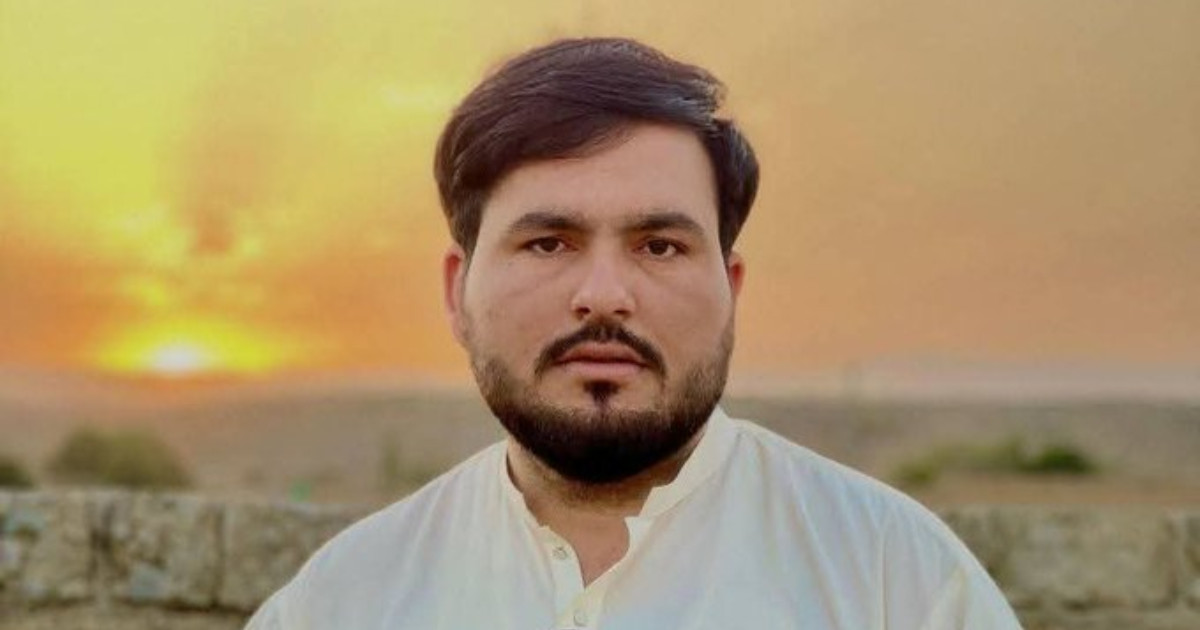
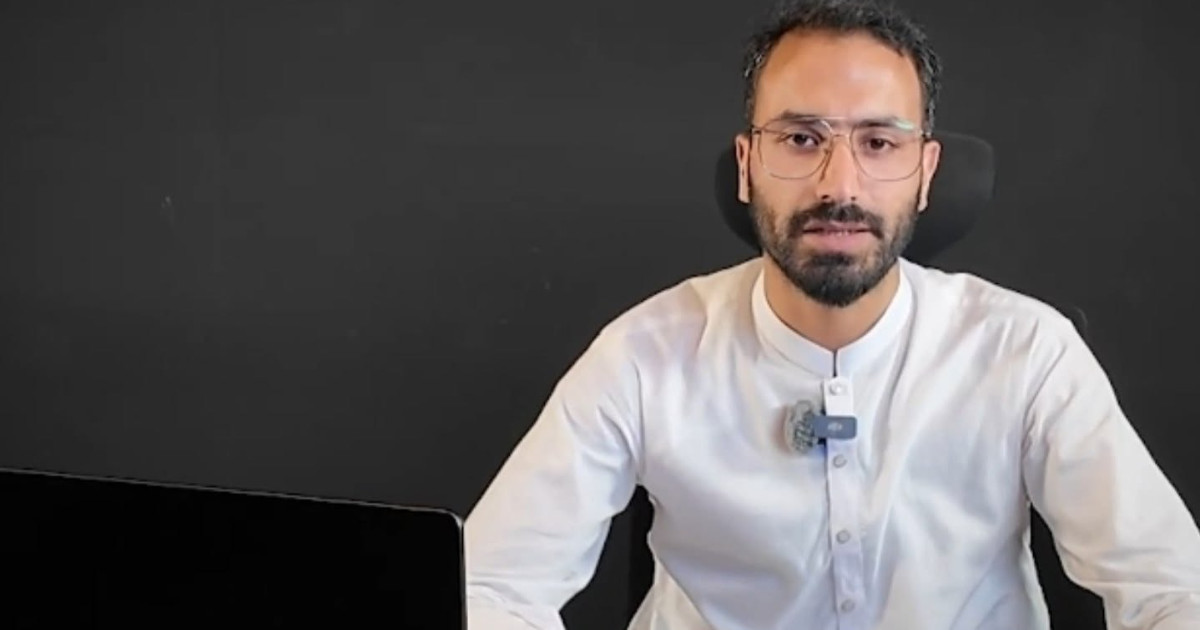
MALE—The Maldives Journalists Association (MJA) has condemned a decision by the Prosecutor General’s Office to pursue criminal charges against two journalists linked to the independent news outlet Adhadhu, warning that the case could deepen pressure on investigative journalism in the island nation.
The case centers on a documentary titled Aisha, which reportedly examined allegations linked to sorcery claims involving senior political figures. According to publicly available statements and local media reports published on May 11 and 12, prosecutors filed Qazf-related charges against Adhadhu CEO Hussain Fiyaz Moosa and editor Hassan Mohamed.
The MJA said the prosecution raised serious concerns about press freedom and called for the immediate withdrawal of the charges. In a statement cited by Maldivian media outlets, the association condemned the Prosecutor General’s decision to proceed with criminal action against the journalists.
The authorities had raided the Adhadhu offices on April 27, 2026, seized equipment, and imposed travel bans on senior staff.
Journalists’ groups raise alarm
The controversy has drawn criticism from regional and international press freedom organizations, including the Committee to Protect Journalists, which warned that criminal prosecutions tied to journalistic work could have a chilling effect on investigative reporting in the Maldives.
Local reports said the charges stem from coverage related to allegations made in the documentary, rather than from accusations that the journalists themselves authored defamatory claims. Media advocates argued that criminal proceedings against editors and newsroom leaders over editorial content could undermine protections for independent reporting.
The Maldives has experienced repeated debates in recent years over media freedom, online speech, and the use of legal mechanisms against journalists and political critics. Press freedom organizations have frequently urged authorities to avoid criminalizing reporting activities and to strengthen safeguards for independent media.
Concerns over legal pressure on the media
The latest case has intensified scrutiny of how defamation, religious, and morality-related laws are used in media disputes in South Asia’s smaller democracies. Legal analysts and journalism advocates say prosecutions tied to newsroom content can encourage self-censorship, especially among smaller independent outlets with limited legal resources.
The MJA’s intervention is significant because the organization rarely issues strongly worded condemnations unless it believes a case could set a broader precedent for journalists across the country. The association warned that criminal proceedings against media professionals could weaken public-interest reporting and deter investigative journalism.
International watchdogs continue to monitor the situation closely as concerns grow over the legal risks faced by reporters covering politically sensitive subjects in the Maldives.
WHY THIS MATTERS: The case highlights how criminal laws can be used against journalists over editorial content, a concern that resonates strongly in Pakistan’s media environment. Pakistani journalists and newsroom managers can draw lessons about the importance of legal preparedness, press freedom advocacy, and collective responses by journalist unions when reporters face legal pressure tied to investigative reporting.
ATTRIBUTION: Reporting by JournalismPakistan, based on publicly available statements from the Maldives Journalists Association, reports by Edition.mv and Sun Online published May 11–12, 2026, and statements shared by the Committee to Protect Journalists on May 12, 2026.
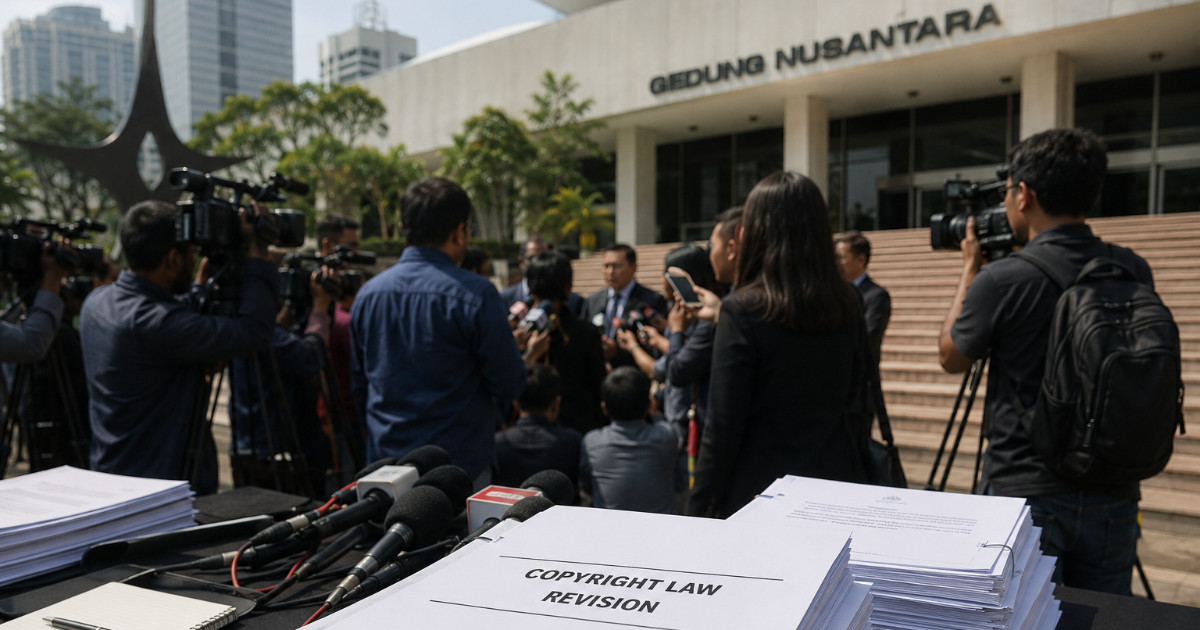
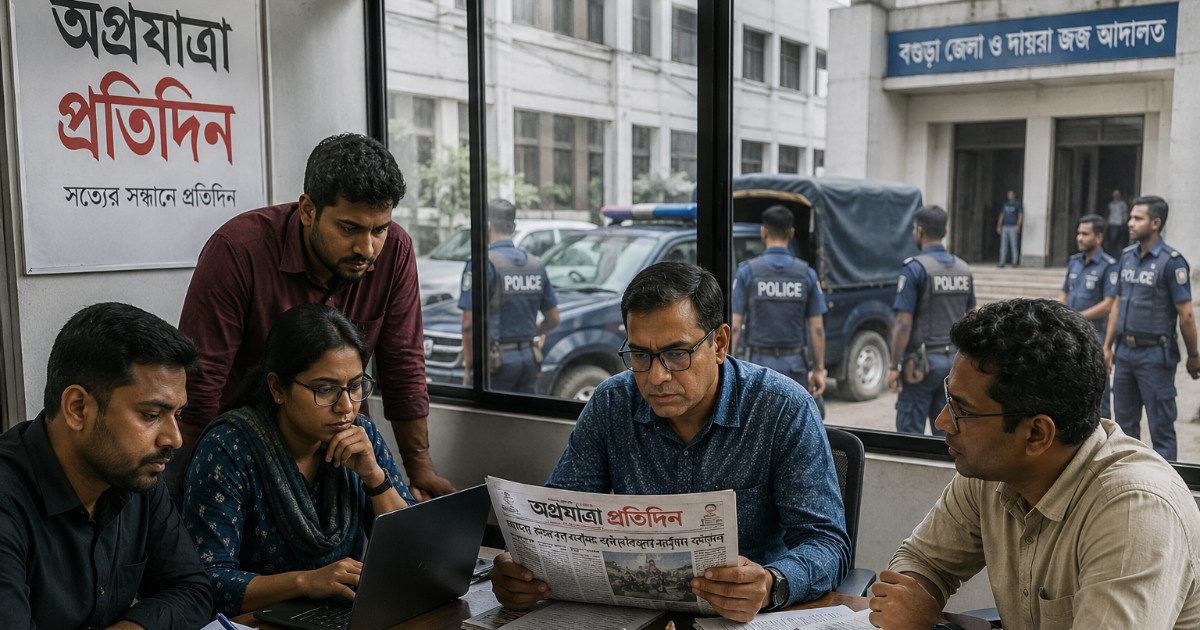
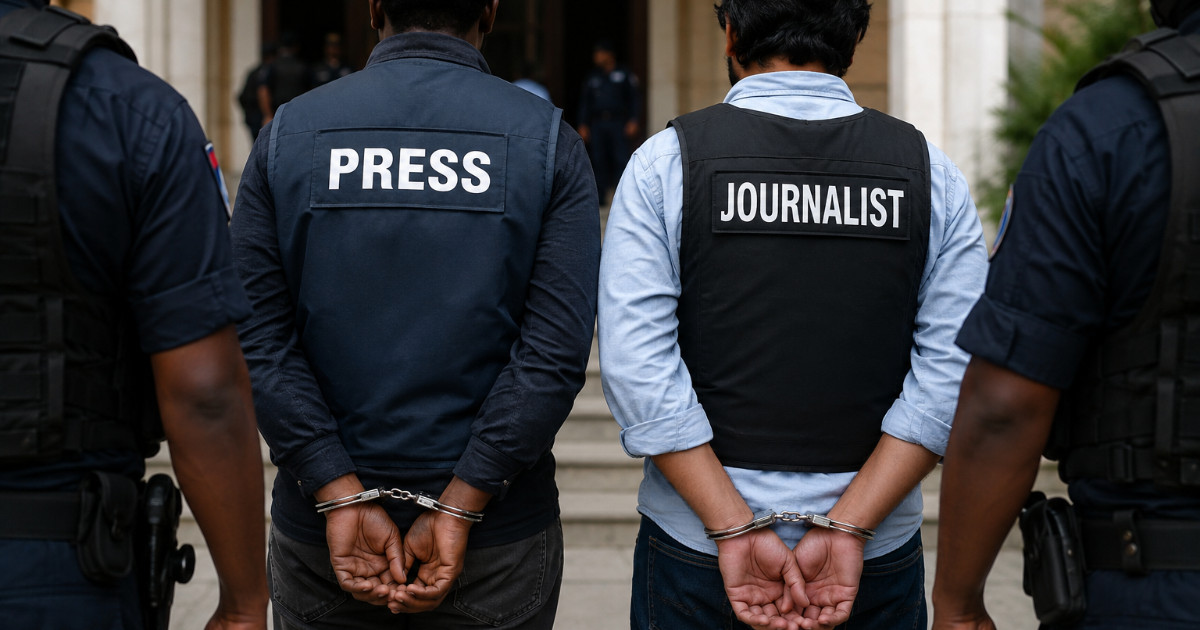
PHOTO: AI-generated; for illustrative purposes only.
Key Points
- The case concerns a documentary titled "Aisha" that examined alleged sorcery links involving senior figures.
- Prosecutors filed Qazf-related criminal charges against Adhadhu CEO Hussain Fiyaz Moosa and editor Hassan Mohamed.
- The Maldives Journalists Association condemned the decision and called for the charges to be withdrawn.
- Regional and international press freedom groups, including the Committee to Protect Journalists, criticized the prosecutions.
- Advocates warn criminal cases tied to editorial decisions could have a chilling effect on investigative journalism in the Maldives.
Key Questions & Answers
What charges have been filed?
Prosecutors have filed Qazf-related criminal charges against two journalists linked to Adhadhu over content in a documentary.
Who are the journalists implicated?
The charges name Adhadhu CEO Hussain Fiyaz Moosa and editor Hassan Mohamed.
Why are press groups concerned?
Journalists' associations and international watchdogs say criminal prosecutions for editorial work can intimidate reporters and hinder investigative journalism.
Do the charges allege the journalists made the original claims?
Local reports indicate the charges relate to coverage of allegations in the documentary rather than asserting the journalists authored the underlying claims.
Ask AI: Understand this story your way
AI EnabledDig deeper, ask anything — get instant context, background, and clarity.
Disclaimer: This feature is powered by AI and is intended to help readers explore and understand news stories more easily. While we strive for accuracy, AI-generated responses may occasionally be incomplete or reflect limitations in the underlying model. This feature does not represent the editorial views of JournalismPakistan. For our full, verified reporting, please refer to the original article.