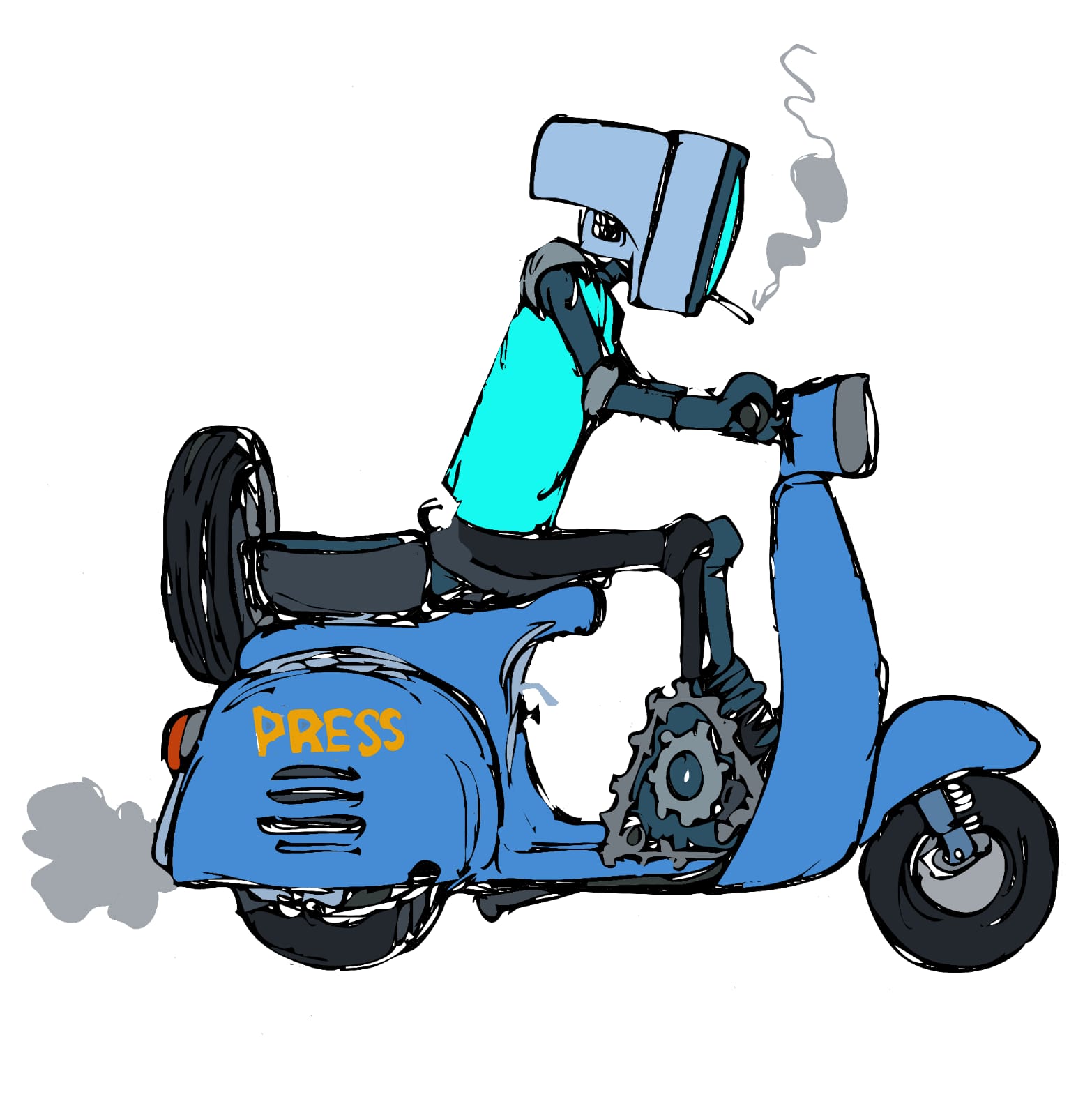

One week, five warnings: What recent incidents reveal about press freedom in Pakistan
JournalismPakistan.com | Published: 8 June 2026 | JP Special Report
Join our WhatsApp channel
One week brought five alarming incidents: a journalist's killing in Balochistan, reports of a TV reporter's disappearance, a journalist's re-arrest after legal proceedings, and attempts to execute arrest warrants. Layoffs added economic pressure and risked jobs.Summary
ISLAMABAD — In the space of a single week, Pakistan's media community confronted a series of developments that underscored the complex and evolving challenges facing journalism in the country. The killing of a journalist in Balochistan, the reported disappearance of a television reporter, the re-arrest of a journalist after months of legal proceedings, concerns over the attempted execution of an arrest warrant against another reporter, and layoffs at a television channel together offer a snapshot of the pressures confronting journalists and media workers.
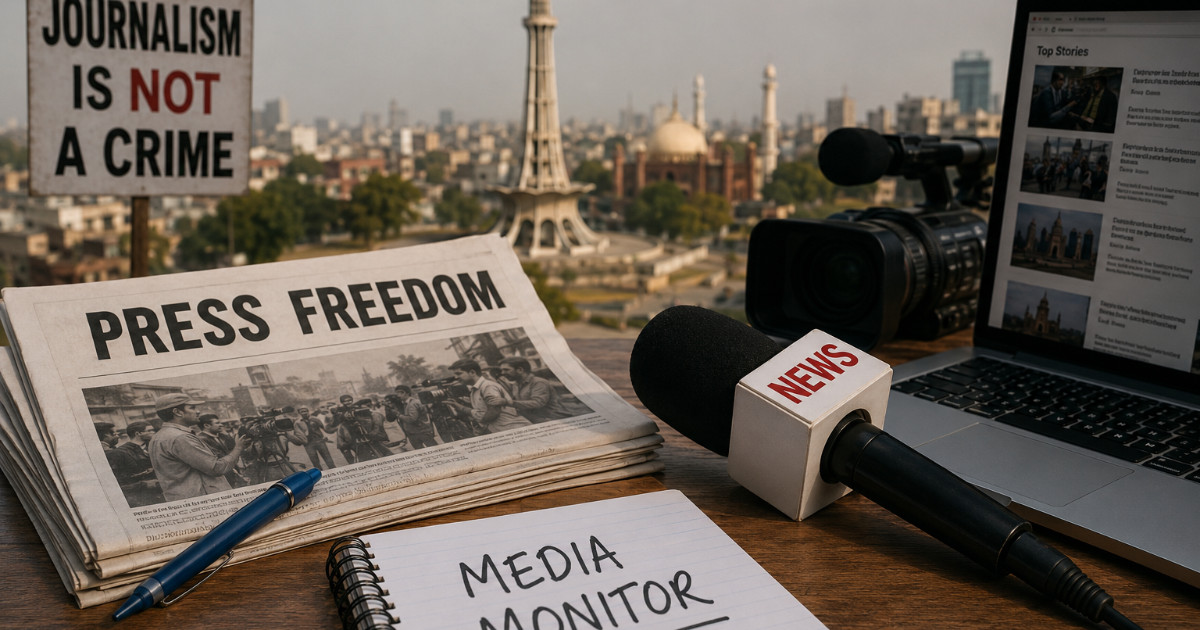
While each case has its own circumstances and should be assessed on its individual merits, taken collectively, they highlight the multiple fronts on which press freedom concerns continue to emerge in Pakistan.
Physical safety remains an unresolved challenge
The most serious incident of the week was the killing of journalist Lala Asrafeel in Musa Khel, Balochistan. The Balochistan Union of Journalists condemned the killing and called for a transparent investigation to determine both the perpetrators and the motive behind the attack.
The case once again drew attention to the dangers faced by journalists working in remote and conflict-affected regions, where reporting often takes place in challenging security environments. For years, local and international press freedom organizations have documented concerns about the safety of journalists in areas where state institutions, political actors, criminal networks, and militant groups may all exert influence.
The week also brought reports of the disappearance of GNN journalist Yasir Ayaz Khan in Islamabad. According to his employer, Khan left home and subsequently lost contact with family members and colleagues. The broadcaster formally approached police and sought urgent action to locate him.
At the time of reporting, there was no public indication regarding the circumstances surrounding his disappearance. Regardless of the eventual explanation, such incidents generate anxiety within media circles because they touch on a fundamental concern shared by journalists across the country: the ability to carry out professional duties without fear for personal safety.
Legal pressures continue to attract scrutiny
Alongside physical safety concerns, legal actions involving journalists remained a prominent theme during the week.
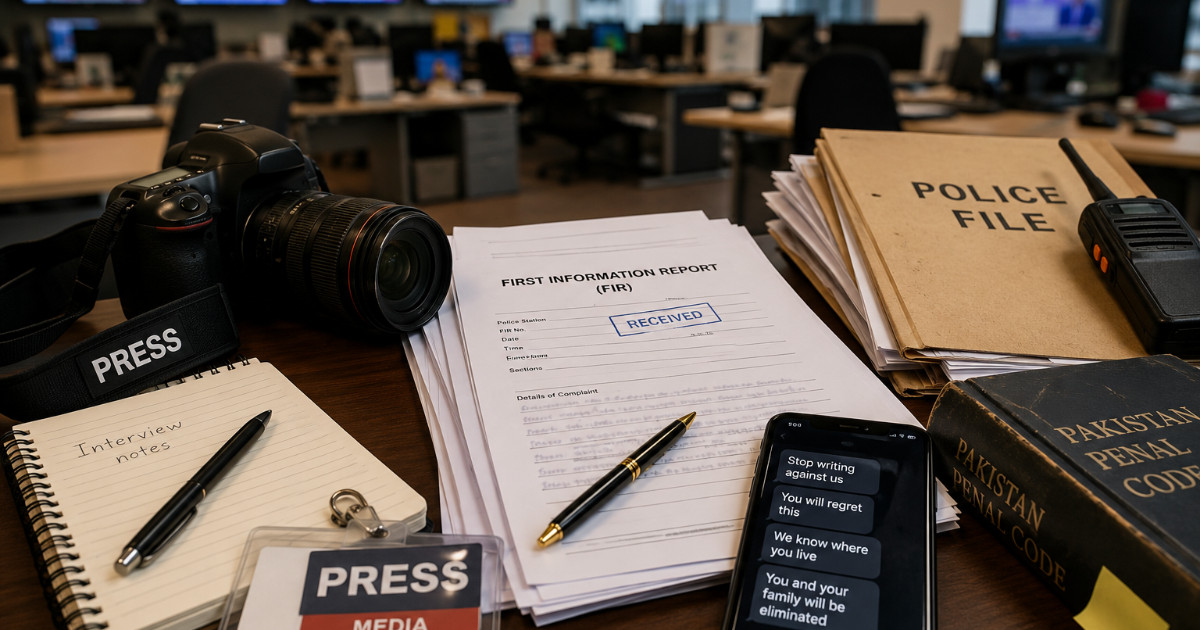
Journalist Sohrab Barkat was arrested again on the application of the National Cyber Crime Investigation Authority. Reports indicated that the arrest was linked to coverage of protests in Kashmir. According to the FIR, a YouTube video uploaded on June 5, 2026, allegedly contained false and misleading information, promoted the narrative of JAAC, and was likely to provoke public unrest, fear, panic, and disorder.
The development came only months after Barkat's release from detention following an extended period involving multiple cases and legal proceedings under the Prevention of Electronic Crimes Act (PECA).
Separately, the Human Rights Council of Pakistan raised concerns about reported efforts to serve an arrest warrant on journalist Razi Tahir. The organization questioned the reported absence of prior notice and argued that journalists should receive the same procedural protections guaranteed under law.
The FIA had not publicly responded to the allegations at the time of publication, and the claims could not be independently verified. Nevertheless, the case sparked discussion about due process and transparency in legal actions involving journalists.
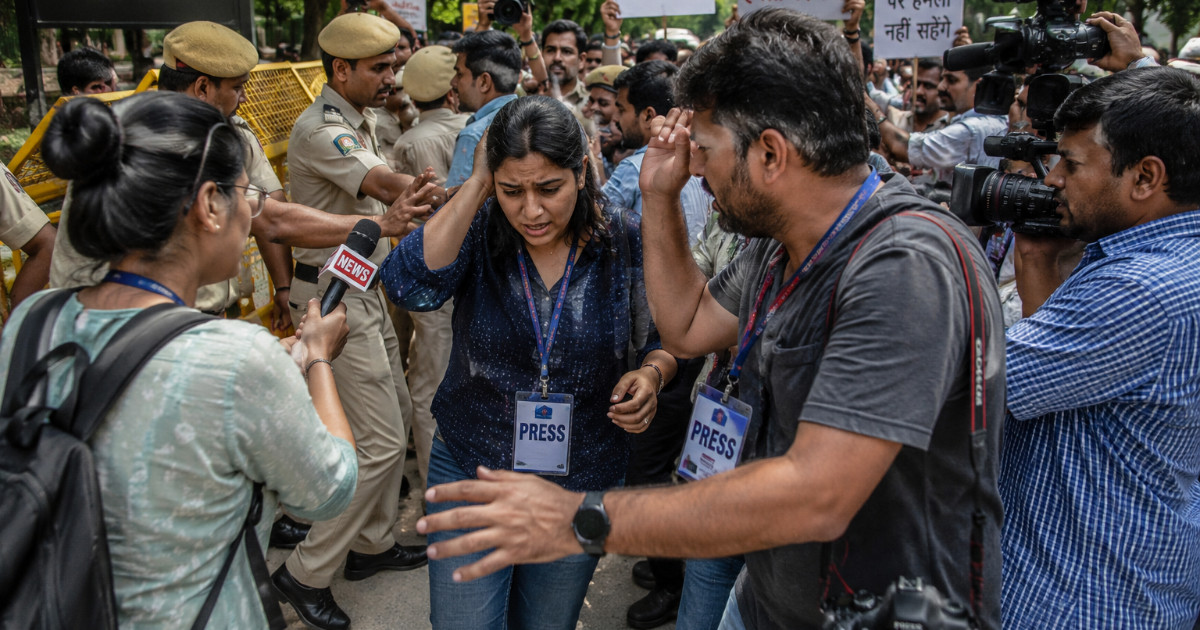
These incidents reflect a broader debate that has intensified in recent years. While authorities maintain that journalists are subject to the same laws as all citizens, media rights advocates frequently express concern that legal mechanisms can create a chilling effect when journalists perceive themselves to be vulnerable to arrest, investigation, or prosecution because of their work.
Economic insecurity and media independence
Press freedom discussions often focus on arrests, censorship, and violence. However, economic pressures can also shape the media environment.
The Karachi Union of Journalists strongly criticized layoffs at Aik News and called for the reinstatement of affected employees. The union argued that dismissals, delayed salaries, and job insecurity have become increasingly common concerns for media workers already struggling with rising living costs and uncertainty within the industry.
Economic pressures affect more than individual livelihoods. News organizations facing financial instability may reduce reporting capacity, limit coverage, or become more vulnerable to external influence. At the same time, journalists worried about job security may find it more difficult to challenge powerful interests or pursue resource-intensive investigative reporting.
Media unions have repeatedly argued that labor rights and press freedom are interconnected, maintaining that independent journalism depends not only on legal protections but also on stable employment conditions.
Different incidents, a common message
None of the week's incidents are identical. A killing, a disappearance, an arrest, concerns over legal procedure, and layoffs each involve different actors, institutions, and circumstances. Yet together they illustrate the diverse pressures affecting Pakistan's media landscape.
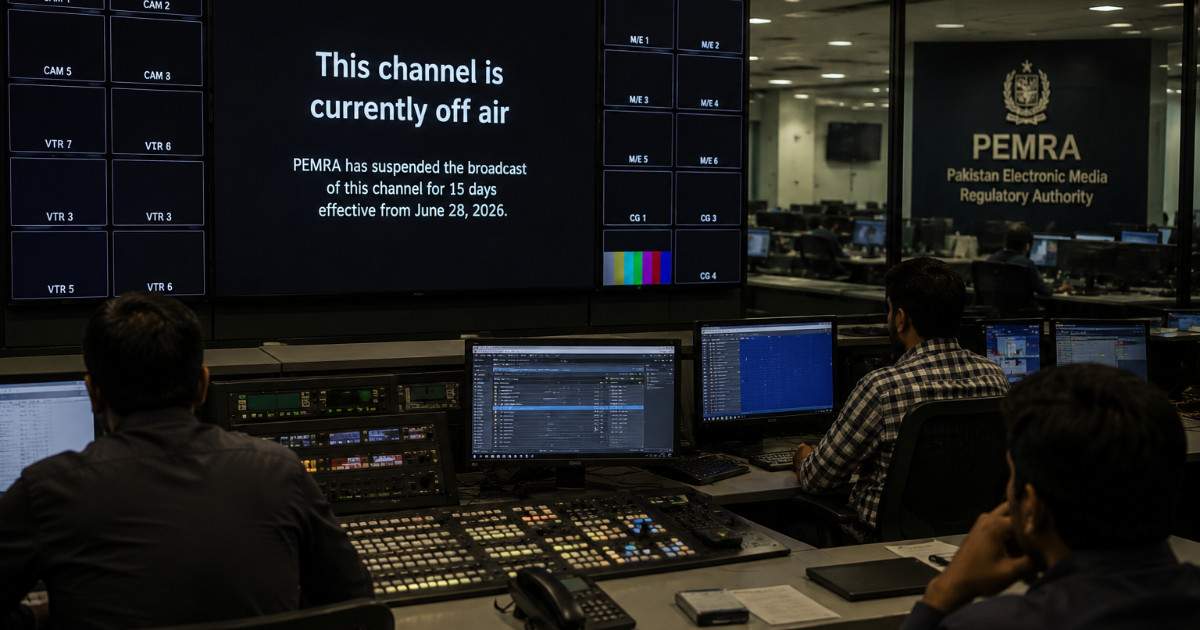
The challenges facing journalists today cannot be reduced to a single issue. Physical threats remain a concern in some parts of the country. Legal and regulatory mechanisms continue to draw scrutiny from press freedom advocates. Economic instability is affecting newsrooms and media workers. Questions about accountability, transparency, and protection persist across all three areas.
The events of the past week serve as a reminder that press freedom is shaped not only by headline-grabbing attacks on journalists but also by the broader environment in which they work. Ensuring a free and independent press requires attention to safety, due process, and economic sustainability alike.
Taken individually, each of these five stories raised important questions. Viewed together, they offer a broader warning about the state of journalism in Pakistan and the continuing challenges confronting those who gather and report the news.
WHY THIS MATTERS: The developments reported over the past week illustrate the diverse challenges confronting journalists in Pakistan. The killing of a reporter, the disappearance of another, legal actions involving journalists, and media layoffs highlight concerns that extend beyond any single incident. Together, these cases touch on core press freedom issues, including journalist safety, due process, freedom of expression, and economic security within the media industry. While the circumstances differ, they collectively underscore the need for an environment in which journalists can work safely, independently, and without undue pressure, whether physical, legal, or financial.
ATTRIBUTION: Reporting by JournalismPakistan
Key Points
- Fatal attack on journalist Lala Asrafeel in Musa Khel, Balochistan, prompting calls for a transparent probe.
- Reports of a television reporter's disappearance raised immediate safety and accountability concerns.
- A journalist was re-arrested after months of legal proceedings, highlighting legal vulnerability.
- Attempts or threats to execute arrest warrants against another reporter underscored procedural and safety risks.
- Layoffs at a television channel added economic pressure, compounding threats to media freedom and job security.
Key Questions & Answers
What incidents occurred in the week under review?
Five incidents: the killing of a journalist in Balochistan, reports of a TV reporter's disappearance, a journalist's re-arrest after legal proceedings, attempts to execute an arrest warrant against another reporter, and layoffs at a TV channel.
Who called for investigations or responses?
The Balochistan Union of Journalists condemned the killing and urged a transparent investigation; other journalist bodies and press freedom groups have raised concerns and sought accountability in related cases.
What do these incidents indicate about press freedom in Pakistan?
Taken together, the incidents point to concurrent physical, legal and economic pressures on journalists that raise serious concerns about safety, due process and the sustainability of independent reporting.
What immediate risks do journalists face?
Journalists face threats to physical safety in conflict-affected areas, legal actions and arrests that can be prolonged, and economic strains from layoffs that undermine media independence and job security.
Relevant Topics
Ask AI: Understand this story your way
AI EnabledDig deeper, ask anything — get instant context, background, and clarity.
Disclaimer: This feature is powered by AI and is intended to help readers explore and understand news stories more easily. While we strive for accuracy, AI-generated responses may occasionally be incomplete or reflect limitations in the underlying model. This feature does not represent the editorial views of JournalismPakistan. For our full, verified reporting, please refer to the original article.