
Israel Supreme Court hears petition on Gaza press access
JournalismPakistan.com | Published: 26 January 2026 | JP Middle East Desk
Join our WhatsApp channel
Israel's Supreme Court heard a petition by the Foreign Press Association challenging the government's ban on unsupervised journalists entering Gaza; the state cited security risks while press advocates said the rule blocks independent reporting.Summary
JERUSALEM — Israel’s Supreme Court division on Monday held a public hearing on a petition challenging the government’s ongoing refusal to allow journalists to enter the Gaza Strip without military escort, a policy that has effectively prevented independent press access for more than two years since the start of the Israel‑Hamas war.
The petition was filed in September 2024 by the Foreign Press Association, which represents hundreds of foreign journalists working in Israel and the Palestinian territories, and argues that the blanket restriction violates press freedom, the public’s right to information, and journalists’ ability to carry out their profession.
The hearing was presided over by Deputy Supreme Court President Noam Sohlberg and Justices Khaled Kabub and Ruth Ronnen, who pressed the state to explain why security concerns continue to justify the policy given the reduced intensity of hostilities after the 2025 ceasefire.
State representatives reiterated that security conditions in Gaza remain unstable and that unsupervised journalist entry could endanger military personnel and operations, but did not offer a detailed public framework for how independent access might be safely implemented or when restrictions could be lifted.
Court scrutiny of media access policy
Advocates for press freedom, including the petitioners and amici curiae such as Reporters Without Borders, argued that the current system of tightly controlled, military‑escorted visits does not satisfy internationally recognized standards for independent reporting and that prolonged delays in presenting a clear policy have deprived both the Israeli and international public of direct information from Gaza. They highlighted inconsistencies between access granted to humanitarian workers and the continued denial of unsupervised journalistic entry, emphasizing the role of independent reporting in documenting conditions on the ground.
Broader implications for wartime transparency
The case comes amid ongoing debate in international media and human rights circles over press freedom in conflict zones, with critics saying that restricted access undermines transparency and accountability in reporting on the humanitarian situation in Gaza. The court did not issue a ruling at the hearing and indicated that it will take time to consider the arguments and potentially request further submissions from the parties.
WHY THIS MATTERS: This development matters to Pakistani journalists and media organizations because it highlights global tensions between national security policies and press freedom during conflict and sets a potential precedent for how courts assess restrictions on journalistic access. Understanding these legal and operational challenges can help Pakistani media navigate similar issues of transparency, safety protocols, and advocacy for independent reporting in volatile regions.
ATTRIBUTION: Reporting draws on coverage from The Jerusalem Post, Times of Israel, and statements from press freedom organizations at the Supreme Court hearing.
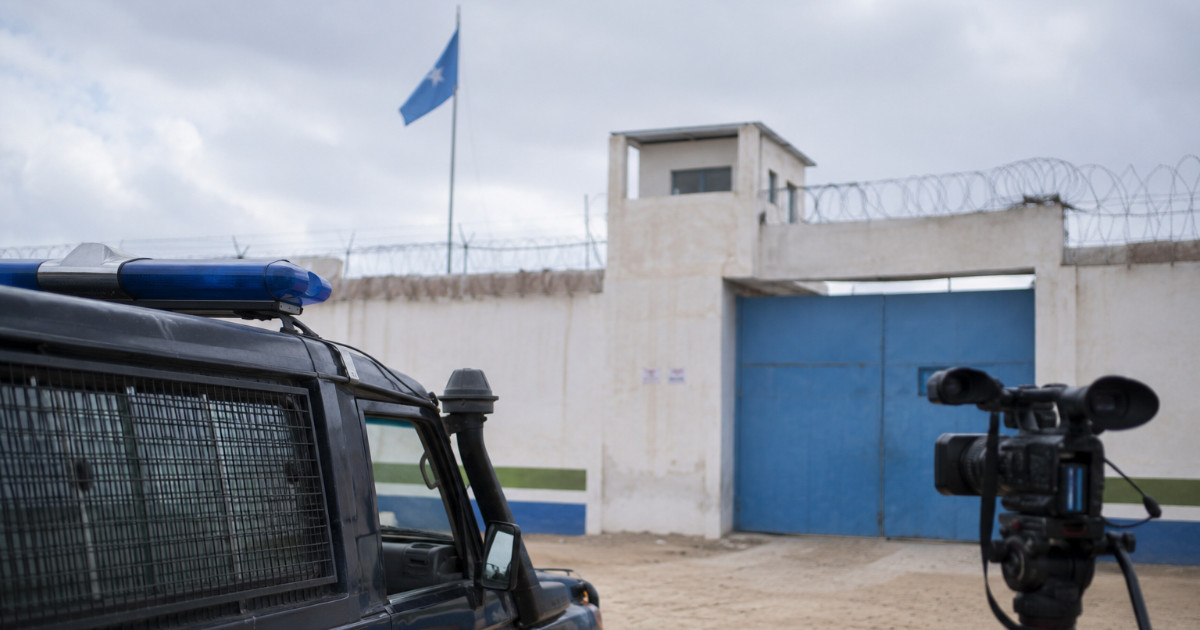
PHOTO: AI‑generated; for illustrative purposes only
Key Points
- Supreme Court held a public hearing on a petition by the Foreign Press Association.
- The petition challenges the blanket ban on journalists entering Gaza without military escort.
- The state defended the policy citing ongoing security risks but offered no detailed access framework.
- Press advocates and amici argued escorted visits fail to meet standards for independent reporting.
Relevant Topics
Ask AI: Understand this story your way
AI EnabledDig deeper, ask anything — get instant context, background, and clarity.
Disclaimer: This feature is powered by AI and is intended to help readers explore and understand news stories more easily. While we strive for accuracy, AI-generated responses may occasionally be incomplete or reflect limitations in the underlying model. This feature does not represent the editorial views of JournalismPakistan. For our full, verified reporting, please refer to the original article.