.png)
Israel detains and releases Turkish journalists during live broadcast
JournalismPakistan.com | Published: 4 March 2026 | JP Middle East Desk
Join our WhatsApp channel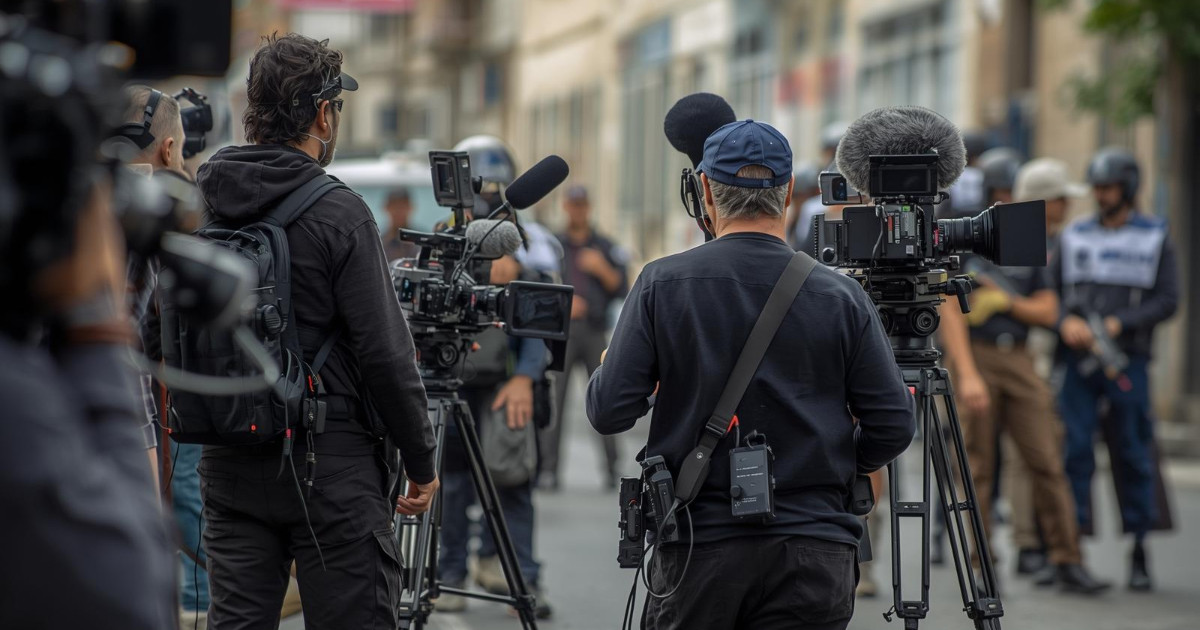
Israeli forces detained and later released two CNN Türk journalists during a live Tel Aviv broadcast on March 3, citing expired press credentials; Turkish officials and journalists' unions condemned the move as a breach of press freedom amid regional tensions.Summary
TEL AVIV — Israel detained and later released two Turkish journalists from CNN Türk during a live broadcast in Tel Aviv on March 3 amid heightened tensions following Iranian missile strikes, drawing international criticism and renewed debate over press freedom in conflict zones.
Turkish authorities and journalists’ unions condemned the detention as a direct attack on media rights as the team was covering the evolving regional hostilities and the aftermath of the strikes.
The CNN Türk correspondent Emrah Çakmak and cameraman Halil Kahraman were reporting live near central Tel Aviv when Israeli security forces interrupted the broadcast, blocked their camera, and took them into custody for several hours before releasing them later the same day, Turkish officials and media reports said.
Israeli authorities said the journalists were stopped after reports of “suspects equipped with cameras broadcasting live to a foreign media outlet” near a security site, according to a police statement, and that their press credentials had expired.
Press freedom criticism intensifies
Turkish government officials, including Presidential Communications Director Burhanettin Duran, blasted the detentions as an attempt to “conceal the truth” and vowed diplomatic efforts to secure the journalists’ release. The Turkish Journalists’ Union (TGS) also condemned the move, saying blocking journalists and failing to protect them in conflict zones constitutes a violation of press freedoms.
Opposition and rights groups echoed the criticism, framing the detention during a live broadcast as a troubling escalation in restrictions on foreign media coverage in Israel’s contested security environment.
Context of reporting and regional tensions
The incident occurred amid a broader spike in hostilities between Iran and Israel, with recent missile and drone strikes intensifying regional instability and drawing global attention. Journalists covering the conflict face heightened risks, including operational restrictions and safety hazards, especially when reporting close to military or security installations.
Israeli military censorship rules also restrict live filming during air raid sirens or disclosure of sensitive locations, complicating foreign media’s work in the country.
Impact on international media dynamics
The brief detention of a foreign news crew highlights ongoing tensions around press access and operational freedom in war-affected regions. It underscores the challenges journalists face in balancing comprehensive reporting with compliance with host-country security protocols during conflict.
WHY THIS MATTERS: For Pakistani journalists and media professionals, this case underscores the acute risks and legal complexities that reporters encounter in high-conflict zones, including diplomatic sensitivities and security restrictions. It also highlights the importance of understanding host-country press credential rules and the broader implications of military censorship on coverage strategies and newsroom policies.
ATTRIBUTION: Reporting based on verified news from Turkish Minute and Balkan Insight.
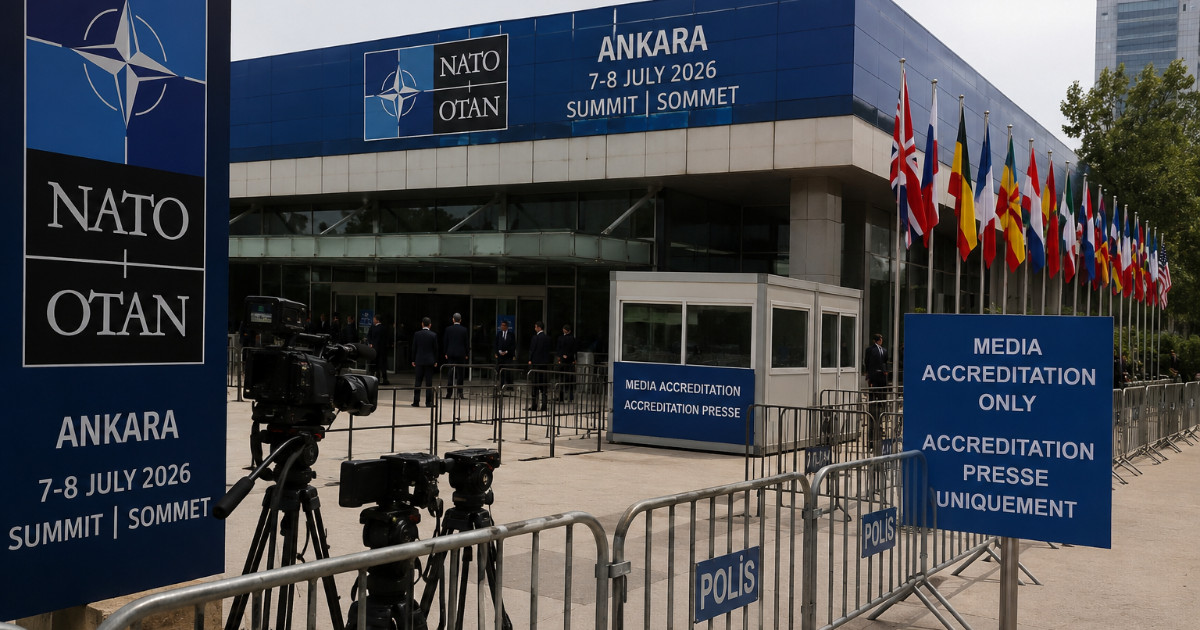
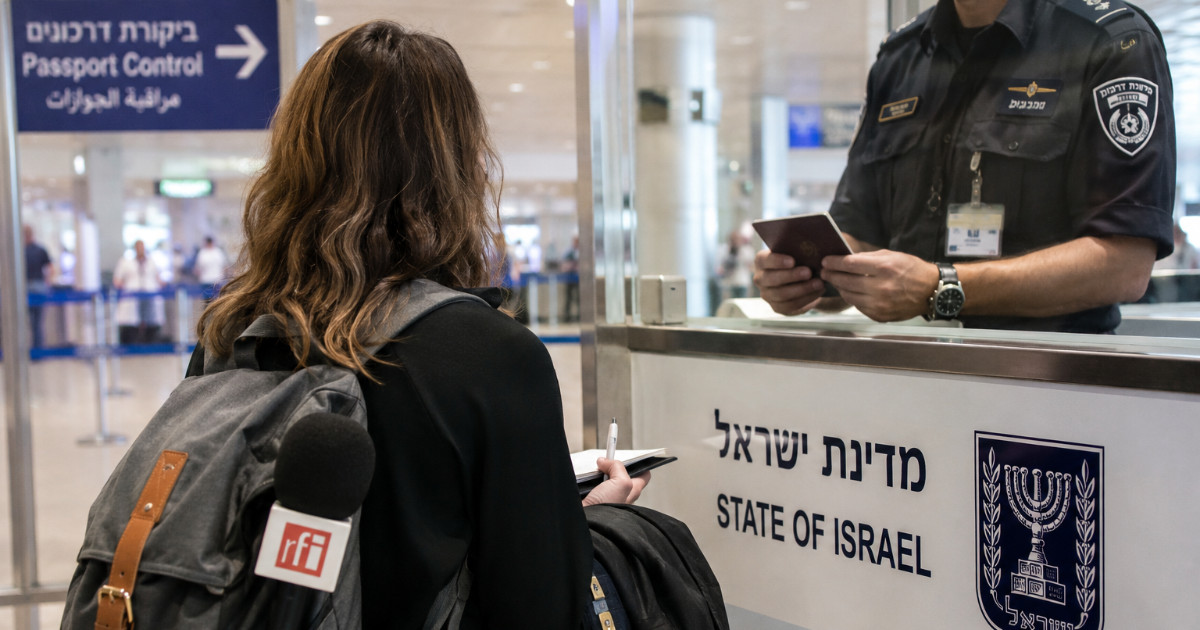
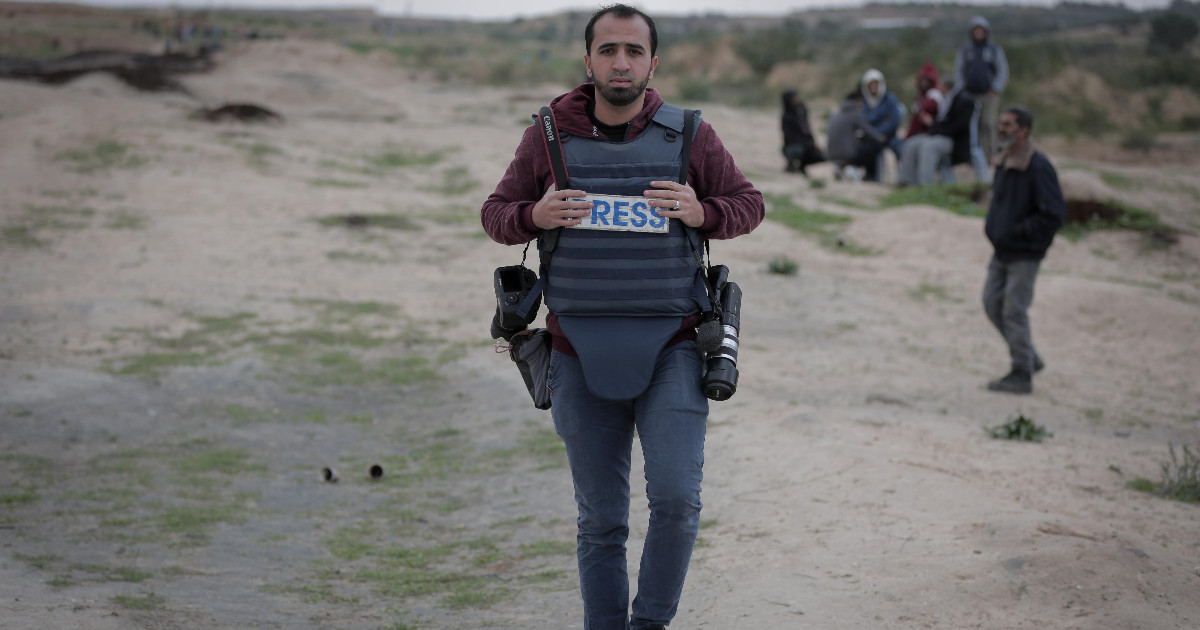
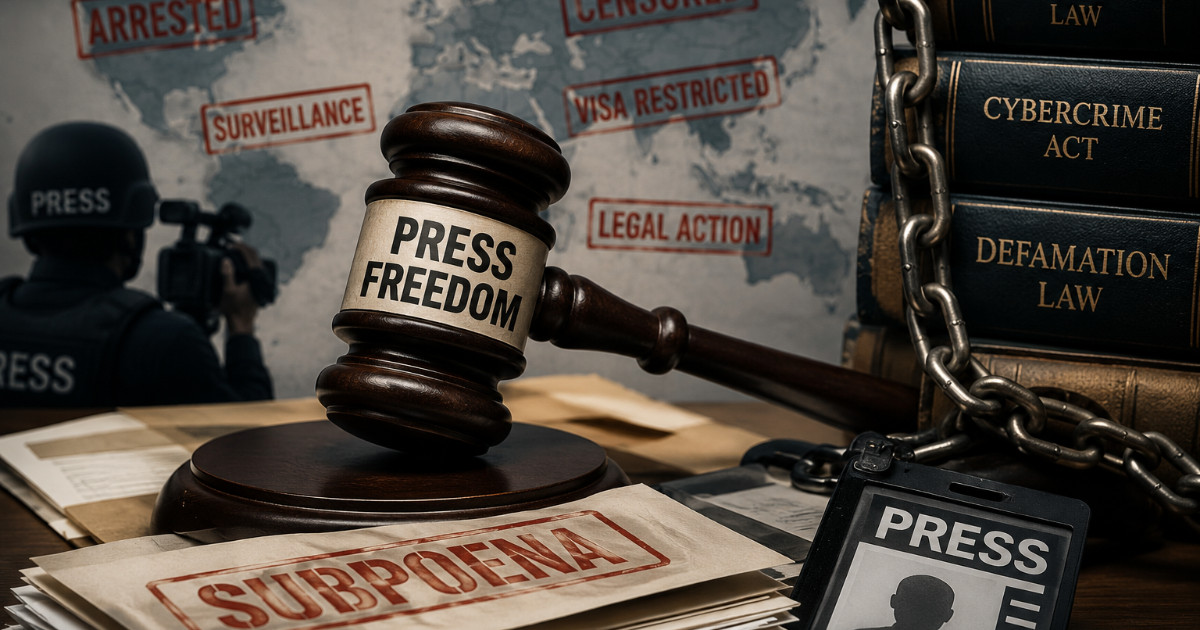
PHOTO: AI-generated; for illustrative purposes only.
Key Points
- Two CNN Türk journalists, correspondent Emrah Çakmak and cameraman Halil Kahraman, were detained and later released.
- The incident occurred during a live broadcast in central Tel Aviv on March 3 amid tensions after Iranian missile strikes.
- Israeli police said the journalists' press credentials had expired and cited broadcasting near a security site as the reason for the stop.
- Security forces blocked the camera and held the reporters for several hours before releasing them the same day.
- Turkish officials, journalists' unions and opposition groups condemned the detentions, calling them violations of press freedoms.
Key Questions & Answers
What happened during the broadcast?
Two CNN Türk journalists were detained by Israeli forces during a live Tel Aviv broadcast; they were released later the same day.
Who were the journalists detained?
Correspondent Emrah Çakmak and cameraman Halil Kahraman were the reporters involved.
Why did Israeli authorities detain them?
Police said the team was broadcasting near a security site and that their press credentials had expired; authorities cited security concerns.
How did Turkish officials respond?
Turkish government officials and journalists' unions condemned the detentions and vowed diplomatic and legal efforts to address the incident.
Relevant Topics
Ask AI: Understand this story your way
AI EnabledDig deeper, ask anything — get instant context, background, and clarity.
Disclaimer: This feature is powered by AI and is intended to help readers explore and understand news stories more easily. While we strive for accuracy, AI-generated responses may occasionally be incomplete or reflect limitations in the underlying model. This feature does not represent the editorial views of JournalismPakistan. For our full, verified reporting, please refer to the original article.