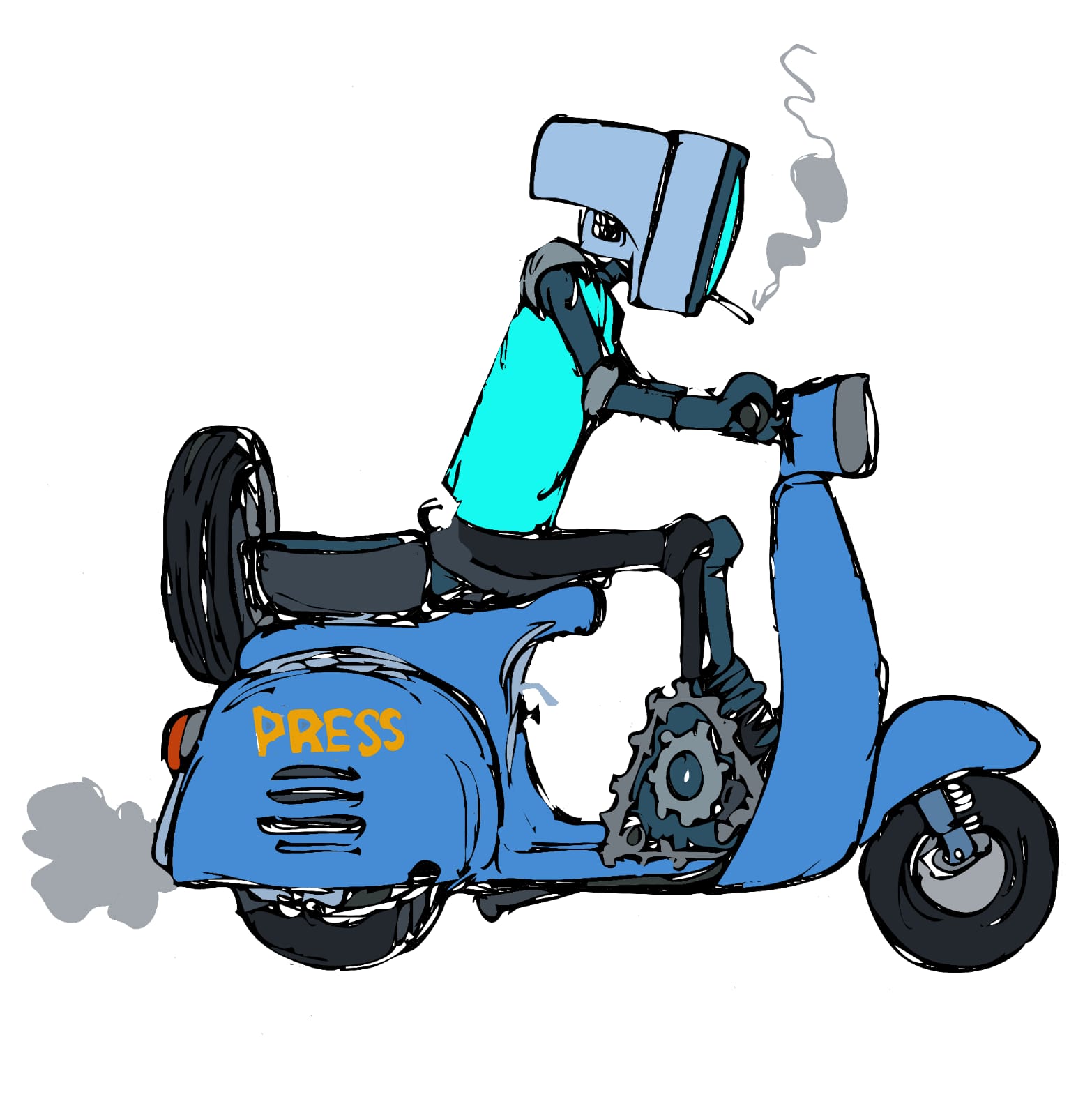

Is SC the route to regain media credibility?
JournalismPakistan.com | Published: 23 July 2012 | Daud Malik
Join our WhatsApp channel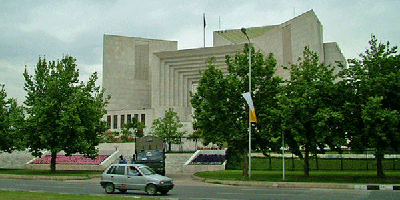
Two senior journalists have petitioned the Supreme Court to create a media accountability commission and a code of conduct for the news industry. The article argues that media credibility cannot be restored through court orders and links the decline to sensationalism, celebrity culture, and ratings-driven editorial policies.Summary
ISLAMABAD: Like everybody else in this country, two senior journalists have now ‘knocked’ the Supreme Court doors, praying for forming a media accountability commission. Apart from looking into the earning sources of the television anchors, owners of the media houses and advertizing agencies, the petition also prays for forming a code of conduct for the news industry.
Following the filing of the petition last week, the two journalists have been stressing the credibility of the media is at stake, especially in the background of the Dunya TV-Malik Riaz interview. However, it has been proven beyond doubt that going to the highest court for everything under the sun is not such a good policy. Credibility cannot be restored through ‘court’s orders’.
The credibility of media was not lost in the courtroom. It was lost on the TV screens. It was lost because the ‘leading lights’ of the media in Pakistan could not properly handle the ‘celebrity status’, especially after the March 2007 movement for the judges’ restoration.
The ‘celebrity status’ gave television anchors a wrong sense of being the ones who could set all the wrongs right. In the bliss of this newfound ‘misguided’ role, the journalists forgot they were not judges, they were not politicians, they were not lawmakers, they were not social activists, and they were not to police the society.
And when they tried to be the answer to all ills, they made a sorry mess of themselves. Today from the Maya Khan policing episode to anchors exchanging allegations of corruption against each other to Matiullah Jan’s search for transparency, media’s credibility is touching new lows.
Editorial policy has been sacrificed at the altar of ratings, with the owners – the high priests – caring more for business than balancing it with the content. In a politically volatile country every institution is asking the other, including media, to show restrain, but because the stakes are too high nobody is interested in heeding the advice.
The perennial fight for space in the political domain between the pillars of the state – executive, parliament, judiciary and the military – has become bitter as media has also become a party to it. But media is all about putting up the show, bringing everything out in the open, even when you have no intention to do so.
This hurts the people in the power and then they take ‘measures’ – especially in a country like Pakistan – that create doubts about credibility. It is still to be seen if Supreme Court forms a commission or not, but it is certain a courtroom judgment cannot restore the lost credibility.
It will only be restored when journalists become journalists, understanding ideally they are to impartially ‘investigate’ and ‘report’. They are not to tell the nation they are the panacea to all its problems. Nowhere else media takes on such a role, even if it means a sudden rise in ratings.
Media has to start living by impartiality, strictly knowing where its limits end, and strengthening editorial controls. In the absence of strong editorial controls, the media in Pakistan would continue to drift from one extreme to another.
One may laugh off these suggestions but if media is to gain some of its lost ‘glory’ in Pakistan, it has to limit itself to the role of impartially showing what it has got, and for the time being shun show(wo)manship. (The writer is a senior journalist who has worked for The News and Dawn)
Key Points
- Journalists ask the Supreme Court to set up a media accountability commission and code of conduct
- Petition seeks scrutiny of income sources of TV anchors, media owners and advertising agencies
- Article contends credibility was lost on TV screens, not in courtrooms
- It criticizes ratings-driven content and the rise of anchor celebrity culture
- Notes growing institutional tensions as media becomes a player in political power struggles
Relevant Topics
Ask AI: Understand this story your way
AI EnabledDig deeper, ask anything — get instant context, background, and clarity.
Disclaimer: This feature is powered by AI and is intended to help readers explore and understand news stories more easily. While we strive for accuracy, AI-generated responses may occasionally be incomplete or reflect limitations in the underlying model. This feature does not represent the editorial views of JournalismPakistan. For our full, verified reporting, please refer to the original article.