
Iran orders media to cite only official protest death tolls
JournalismPakistan.com | Published: 25 January 2026 | JP Middle East Desk
Join our WhatsApp channel
Iran's Supreme National Security Council directed domestic media to report only official death tolls for protests and security incidents. Analysts warn the order centralizes casualty data and may prompt greater newsroom self-censorship.Summary
TEHRAN, Iran — Iran’s Supreme National Security Council has issued a directive requiring domestic media outlets to report only officially sanctioned death tolls when covering unrest and security incidents, according to publicly available reports carried by Iranian state-linked media and confirmed by regional media monitors.
The directive applies to coverage of nationwide protests and related security operations, effectively barring outlets from publishing figures compiled by independent journalists, civil society groups, or international organizations. Media analysts say the move centralizes control over casualty information at a time of heightened political sensitivity.
Restrictions on casualty reporting
The council’s order reinforces existing legal and regulatory constraints that already limit how Iranian journalists can report on protests, arrests, and security force actions. Under Iran’s media framework, the Supreme National Security Council has the authority to issue binding instructions during periods it defines as affecting national security, and editors are required to comply.
Press freedom organizations note that casualty figures have historically been among the most contested aspects of protest coverage in Iran, with discrepancies often emerging between official counts and estimates compiled by independent researchers using open-source methods, hospital data, and eyewitness reporting.
Impact on independent journalism
Media analysts warn that mandating official figures increases the risk of self-censorship in newsrooms, particularly among smaller outlets that lack legal protection. Journalists who deviate from approved numbers can face license suspensions, legal charges, or other penalties under Iran’s press and national security laws, based on past publicly documented cases.
The restriction also narrows the information available to the public, making it harder for audiences to assess the scale and human cost of unrest. Analysts emphasize that this does not by itself verify or invalidate any specific casualty figure but limits the ability of independent media to scrutinize and contextualize official data.
Broader implications for transparency
The directive fits a broader pattern identified by international press freedom groups, which have documented repeated efforts by Iranian authorities to manage narratives during crises by controlling terminology, imagery, and statistics. Such measures, observers say, shift reporting from verification toward repetition of state statements, reducing transparency around government accountability.
WHY THIS MATTERS: For Pakistani journalists and media professionals, the development underscores how legal and regulatory tools can be used to restrict casualty reporting during protests or security operations. It highlights the importance of verification standards, source transparency, and newsroom policies for handling official figures, especially in environments where access to independent data may be constrained.
ATTRIBUTION: Reporting based on publicly available Iranian state media notices and analysis by international media freedom organizations, including Reporters Without Borders and the Committee to Protect Journalists.
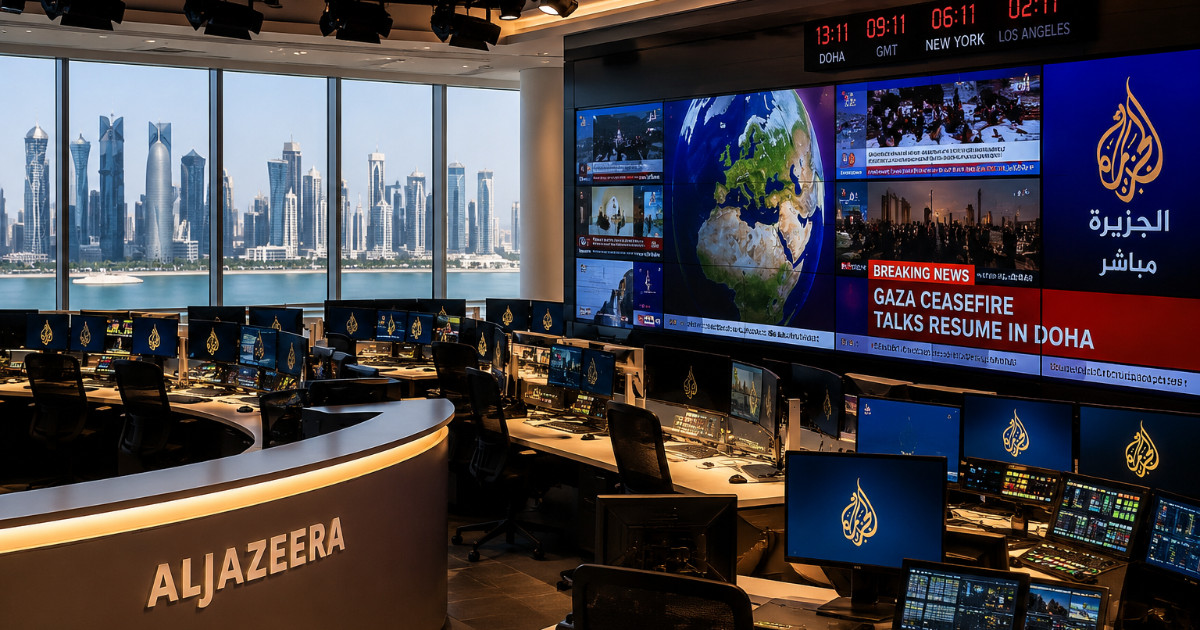
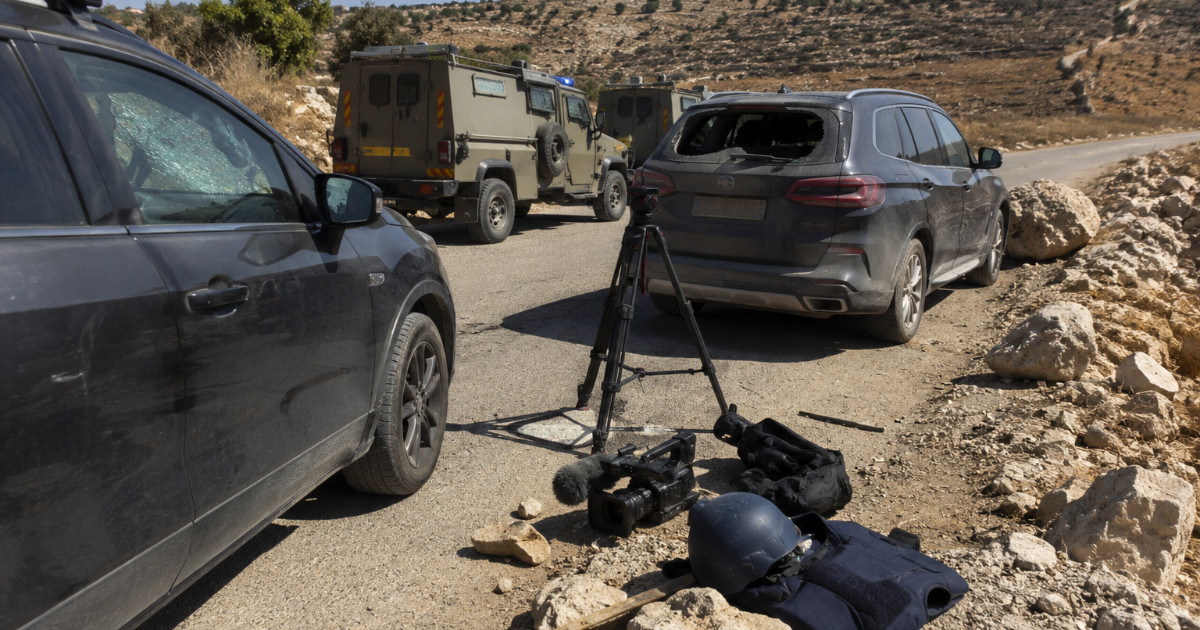
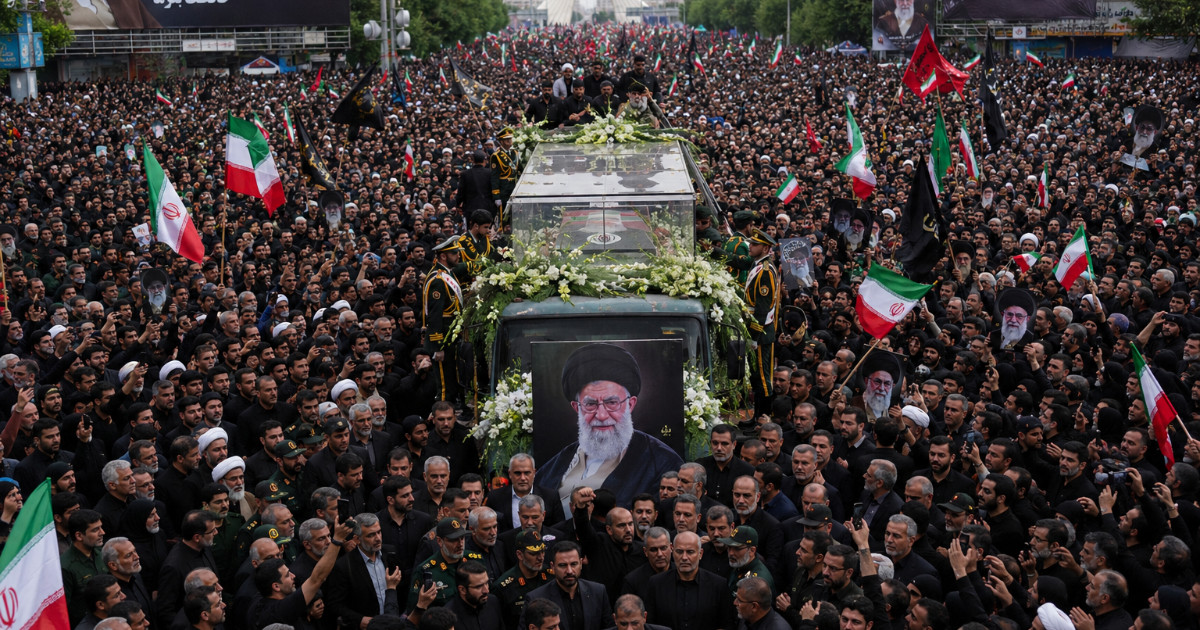
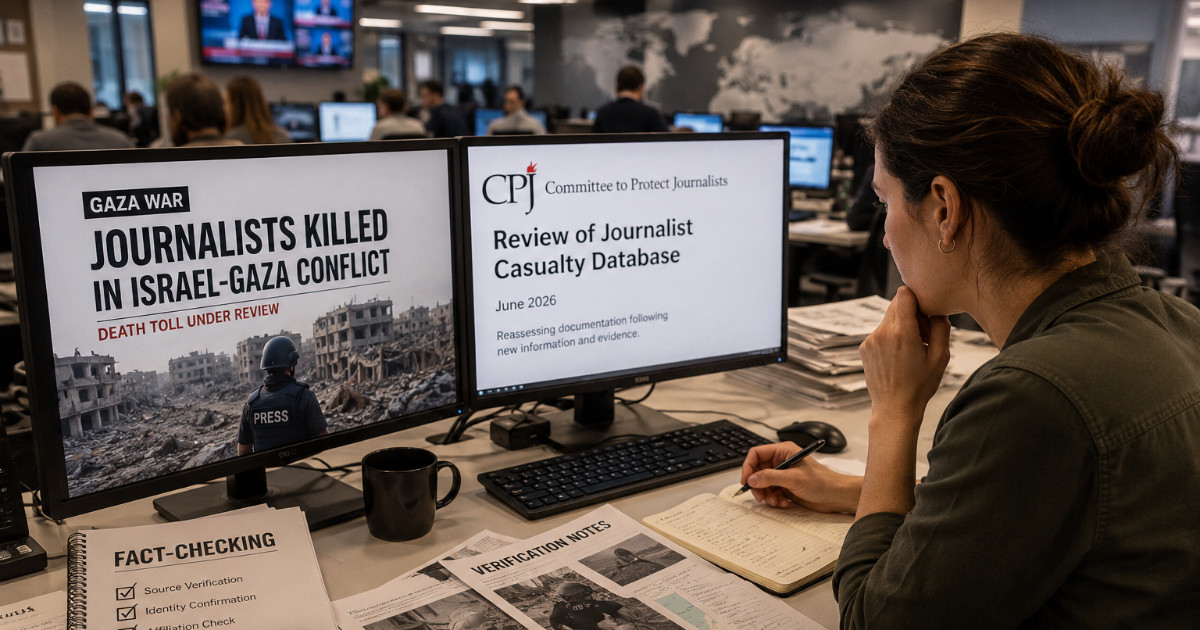
PHOTO: AI-generated; for illustrative purposes only
Key Points
- Directive requires media to use only officially sanctioned death tolls.
- Applies to coverage of nationwide protests and related security operations.
- Bans publication of figures from independent journalists, NGOs, or international bodies.
- Reinforces existing legal constraints and centralizes casualty information.
- Analysts warn it may increase self-censorship and hinder independent reporting.
Relevant Topics
Ask AI: Understand this story your way
AI EnabledDig deeper, ask anything — get instant context, background, and clarity.
Disclaimer: This feature is powered by AI and is intended to help readers explore and understand news stories more easily. While we strive for accuracy, AI-generated responses may occasionally be incomplete or reflect limitations in the underlying model. This feature does not represent the editorial views of JournalismPakistan. For our full, verified reporting, please refer to the original article.