
Iran extends Narges Mohammadi prison term
JournalismPakistan.com | Published: 9 February 2026 | JP Middle East Desk
Join our WhatsApp channel
Iran's judiciary added a seven-and-a-half-year prison term to Nobel Peace Prize laureate Narges Mohammadi, accusing her of gathering and collusion against national security and propaganda against the state. The ruling also includes a two-year travel ban and internal exile.Summary
TEHRAN, Iran — Iran’s judiciary has handed down an additional seven-and-a-half-year prison sentence to Nobel Peace Prize laureate and human rights activist Narges Mohammadi on charges including gathering and collusion against national security and propaganda against the state, according to Iranian judicial authorities and international rights groups.
The ruling also imposes a two-year travel ban and internal exile after the completion of her sentence, measures that rights advocates say form part of a broader crackdown on dissent following nationwide protests in recent years.
New penalties amid ongoing crackdown
Mohammadi, who has faced multiple arrests and convictions over the past decade, is currently serving previous prison terms related to her activism. Iranian authorities have consistently accused her of activities that threaten national security, allegations she and her supporters reject as politically motivated.
The latest sentence comes amid sustained restrictions on civil society, activists, and independent voices in Iran following the protests that erupted after the 2022 death of Mahsa Amini in police custody. Authorities have since pursued legal cases against activists, journalists, and demonstrators, citing national security and public order concerns.
International reaction and human rights concerns
Mohammadi was awarded the 2023 Nobel Peace Prize for her advocacy for women’s rights and human rights in Iran. The Nobel Committee said at the time that she was being recognized for her fight against the oppression of women and her struggle to promote human rights and freedom for all.
International human rights organizations have repeatedly called for her release, arguing that her prosecution reflects a broader pattern of suppressing peaceful activism and dissent. Iranian officials maintain that judicial proceedings are conducted in accordance with domestic law.
WHY THIS MATTERS: The case highlights how national security laws can be used to prosecute activists and restrict reporting on protests and civil unrest. For Pakistani journalists, it underscores the importance of legal awareness, documentation, and newsroom safety protocols when covering sensitive political developments. It also reflects a broader regional trend of tightening controls over dissent that media organizations must monitor closely.
ATTRIBUTION: Based on statements from Iranian judicial authorities, the Nobel Committee, and international human rights organizations.
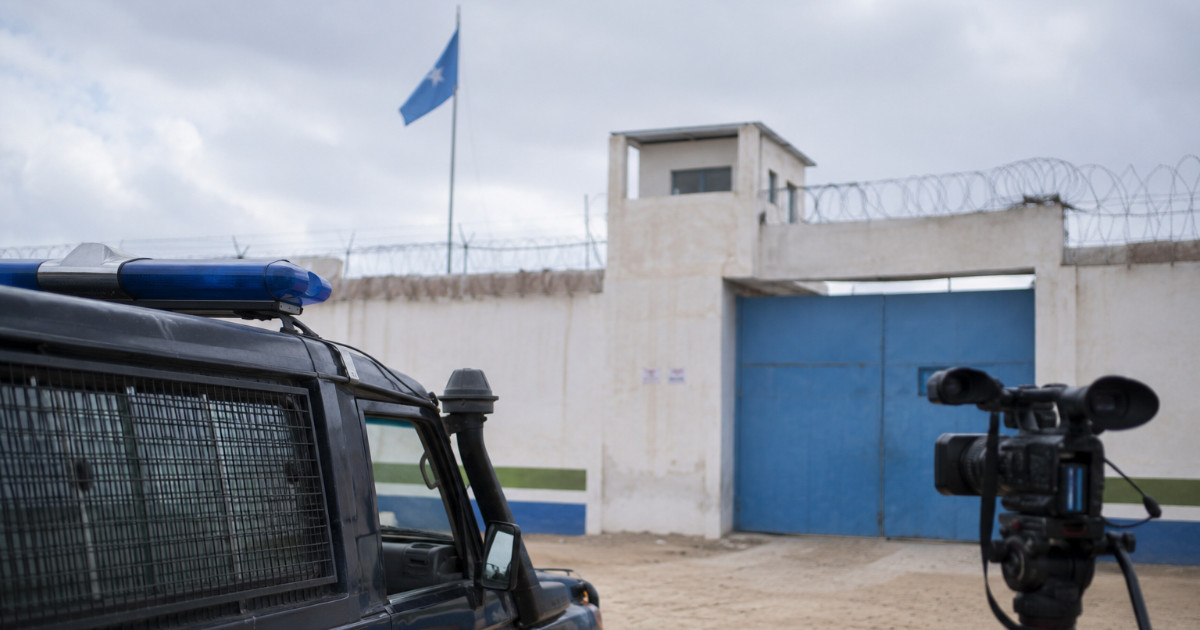
PHOTO: AI-generated; for illustrative purposes only.
Key Points
- Iran's judiciary added a seven-and-a-half-year sentence to Narges Mohammadi.
- Charges include gathering and collusion against national security and propaganda against the state.
- The ruling imposes a two-year travel ban and internal exile after completion of the sentence.
- Mohammadi is a 2023 Nobel Peace Prize laureate and long-time human rights activist.
- Rights groups say the penalties reflect a broader crackdown on dissent after 2022 protests.
Ask AI: Understand this story your way
AI EnabledDig deeper, ask anything — get instant context, background, and clarity.
Disclaimer: This feature is powered by AI and is intended to help readers explore and understand news stories more easily. While we strive for accuracy, AI-generated responses may occasionally be incomplete or reflect limitations in the underlying model. This feature does not represent the editorial views of JournalismPakistan. For our full, verified reporting, please refer to the original article.